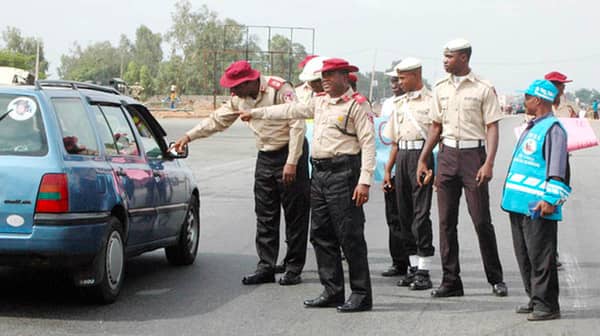
The Federal Road Safety Corps (FRSC) has reiterated its commitment to reducing road traffic crashes and fatalities in Nigeria, urging stronger collaboration among policymakers, auto manufacturers and road users to achieve safer roads nationwide.
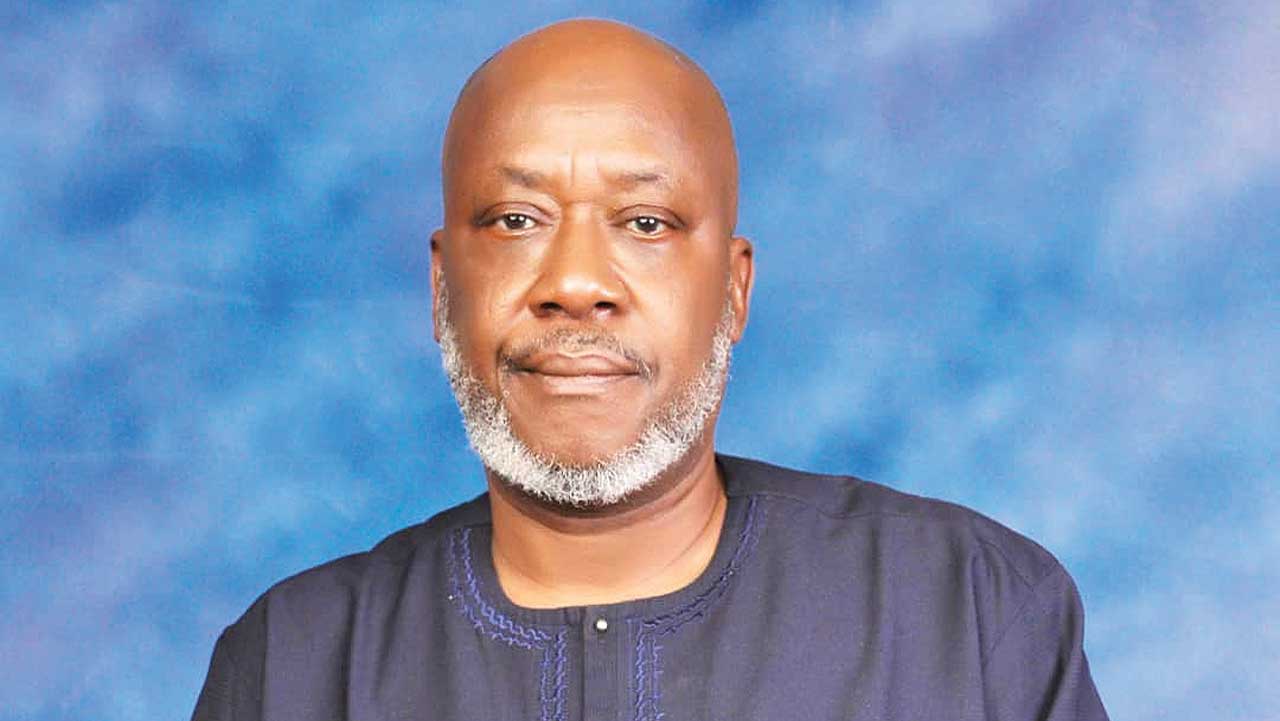
Speaking in Lagos, the Sector Commander, FRSC, Lagos State Command, Kehinde Hamzat, who represented the Corps Marshal, Shehu Mohammed, at an industry event, said road safety remained a shared responsibility that must be driven by sound policies, technology and informed road use.
Hamzat commended industry stakeholders for their critical role in shaping public perception and promoting safety consciousness through consistent reporting on vehicle innovations, traffic laws, and best practices.
He said that the event not only celebrates excellence in the automotive sector, but also recognises the impact the automotive industry has on national development and road safety initiatives.
“Your writing influences consumers, manufacturers and policymakers alike, especially at a time when the number of vehicles on our roads continues to increase,” he added.
He stressed that the emergence of new vehicle models and advanced technologies presents both opportunities and challenges for road safety, noting that the media play a vital role in educating the public on these developments.
The Lagos FRSC Sector Commander outlined the five pillars of the United Nations Decade of Action for Road Safety, which he said were key to achieving zero fatalities on Nigerian roads.
According to him, the first pillar was road safety management, which focuses on effective legislation and policies to reduce crashes.
The second pillar, he explained, was the provision of safer and forgiving roads, noting that well-designed road infrastructure could significantly reduce fatalities even when crashes occur.
Hamzat also clarified the common misuse of the term “accident,” stressed that most road incidents were actually “crashes” caused by human error.
“Accidents are unforeseen, but crashes result from mistakes that could have been avoided,” he said.
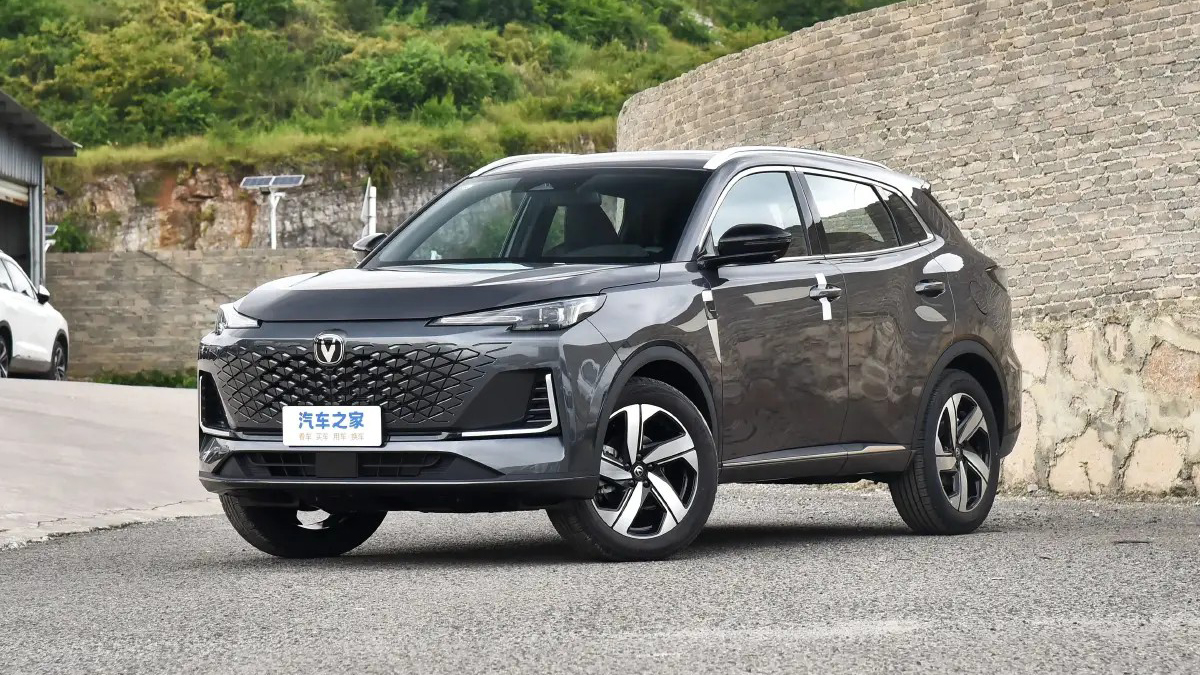
On the third pillar, safer vehicles, Hamzat advocated for the production and use of intelligent vehicles equipped with modern safety features, such as auto-braking systems, proximity sensors, and reverse alerts.
“Human life cannot be quantified. Vehicles must be built to forgive human errors,” he noted.
He added that the fourth pillar focuses on safer road users, emphasising that no matter how advanced vehicles and roads become, safety depends largely on the knowledge, discipline, and responsibility of drivers and other road users.
The fifth pillar, according to him, was post-crash response, which included the availability and proximity of health facilities to ensure timely emergency care during the “golden hour” after a crash.
“If these five pillars are effectively implemented, road traffic crashes and fatalities will be reduced to the barest minimum,” Hamzat said, reaffirming FRSC’s readiness to partner with stakeholders to enhance traffic safety and promote responsible driving.