 Follow Us on Google News


 Follow Us on Google Discover
As more Nigerians weigh long-term savings, improved technology, and the growing availability of electric vehicles (EVs), industry experts and automakers say the country is increasingly ready to embrace the innovation, even as concerns about charging infrastructure and affordability persist, BENJAMIN ALADE reports.
For decades, Nigeria’s automotive market has been defined by imported used vehicles, fuel-powered engines and a preference for familiar brands.
Today, however, the conversation is beginning to change. As fuel prices remain elevated, technology improves, and more electric and new energy vehicle (NEV) manufacturers enter the market, many Nigerians are becoming more willing to consider alternatives to conventional vehicles.
The shift is still in its early stages, but industry players said there are clear signs that consumer attitudes are evolving.
Questions are no longer centred on whether electric vehicles (EVs) belong in Nigeria, but on how quickly the country could build the conditions needed for their widespread adoption.
Chinese manufacturers have emerged as the most visible players in this transition. Several brands have introduced electric and hybrid models in Nigeria, betting that a combination of competitive pricing, technology, and improved after-sales support would appeal to consumers looking beyond traditional Japanese and European brands.

Many Nigerians remain cautious about battery life, maintenance costs, spare parts availability and vehicle durability under local driving conditions. While curiosity about EVs has grown, purchasing decisions continue to be influenced by confidence that the vehicles could perform reliably over the long term.
Yet experts cautioned that consumer enthusiasm alone would not determine the pace of adoption.
An associate professor of marketing and transport services researcher at Keele University, United Kingdom, Emmanuel Mogaji, in an interview with The Guardian, said Nigeria’s experience reflected a broader global trend.
According to him, adoption must be approached as an ecosystem rather than simply introducing new vehicles into the market.
“Even beyond Nigeria, interest in electric vehicles is growing rapidly. First, consumers need greater reassurance and confidence that EVs are practical, reliable, and suitable for everyday use. Changing consumer perceptions and behaviours is essential for wider adoption,” he said.
Mogaji posited that investment in charging facilities must keep pace with vehicle imports.
Unlike conventional vehicles, EVs depend on an ecosystem that extends beyond dealerships.
Without a reliable charging network, consumer confidence could remain limited regardless of
how many vehicles enter the market.
Mogaji declared that companies must go beyond selling vehicles and also offer financing, dependable after-sales support, and ensure continuous engagement with customers.
“This includes offering flexible financing and payment options, providing reliable after-sales services, and continuously reassuring consumers about vehicle performance, maintenance and long-term value.
“If these three elements—consumer confidence, supporting infrastructure and industry commitment—develop together, I believe public perception of EVs will improve significantly, accelerating their adoption in Nigeria,” he added.
However, some of the manufacturers said they are already adapting their business models to address these concerns.
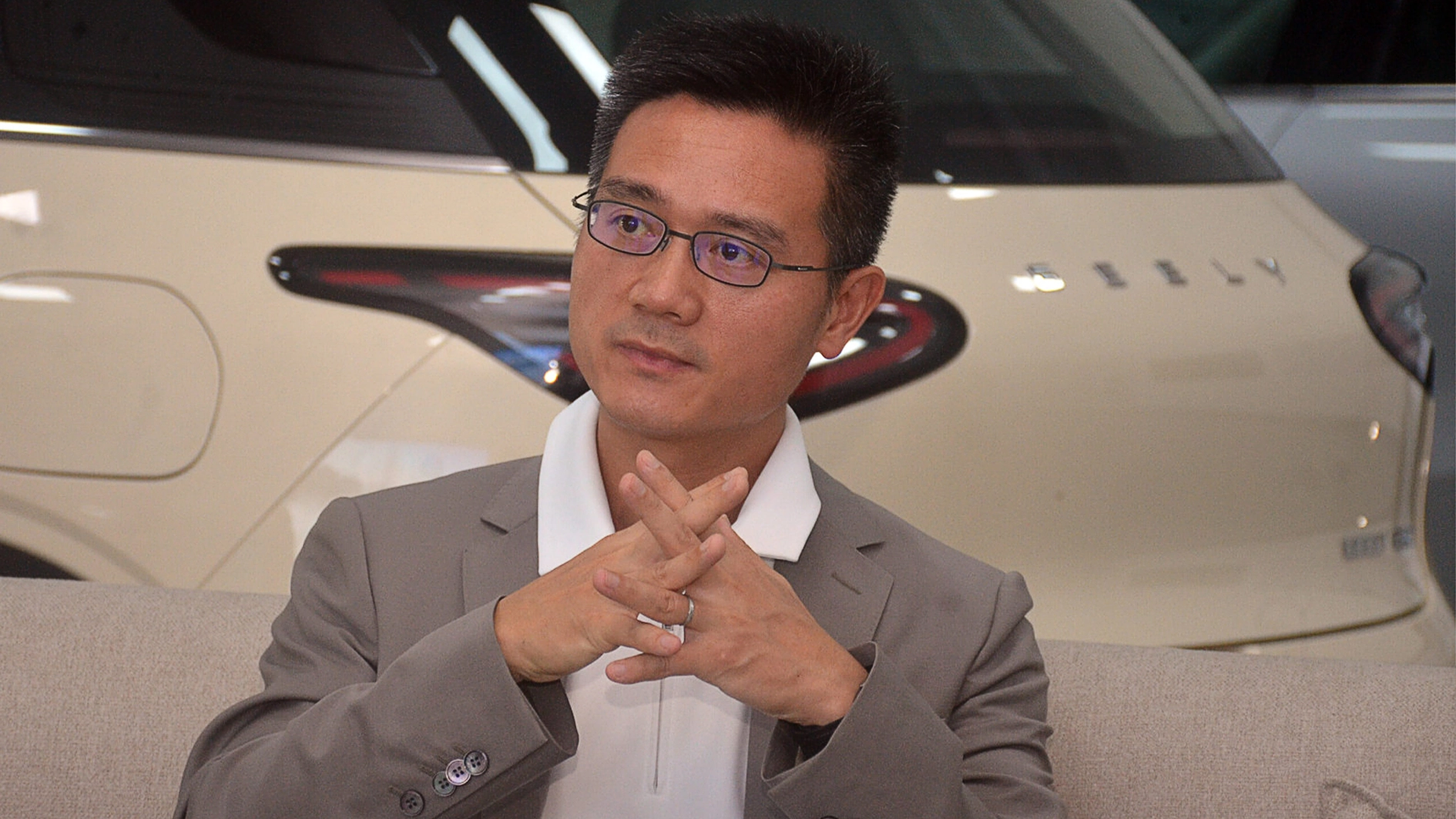
According to him, the company had established service facilities alongside its showroom, appointed authorised service outlets in major cities, and maintained local inventories of spare parts, with critical components available by air freight when necessary.
The emphasis on after-sales support shows one of the biggest concerns among Nigerian consumers, who have traditionally favoured brands with established maintenance networks.
The Tim Motors boss explained that the company planned to begin local assembly once sales volumes justified production.
“After we reach a certain volume of sales and have enough capability to serve more local customers, we are planning to do the local assembling. We already have the licence from the government for local assembly,” Zhan said.
Local assembly could reduce costs, shorten delivery times and improve parts availability, although no timeline has been announced.
Beyond infrastructure, Chinese brands are also confronting long-held perceptions about vehicle quality.
For many Nigerians, Japanese brands have historically represented durability and resale value, while Chinese vehicles were once viewed with scepticism.
That perception has begun to shift as Chinese manufacturers have expanded globally and improved product quality.
When asked why he believed Nigerians were increasingly receptive to Chinese vehicles, Zhan pointed to value and customer service.
He explained that Chinese manufacturers had consistently improved product quality while maintaining competitive pricing, a strategy he said had transformed consumer acceptance in sectors ranging from electronics to heavy equipment.
Competition remains intense
Nigeria’s automotive market is dominated by imported used vehicles, which remain significantly cheaper than brand-new EVs or hybrids. Limited purchasing power continues to shape buying decisions for many households.
He estimated that about 80 per cent of vehicles sold in Nigeria are used imports, many sourced from the United States, while new vehicle sales remained dominated by Japanese brands.
Even so, manufacturers entering the EV segment are targeting buyers willing to pay more upfront in exchange for lower operating costs, modern technology, and reduced dependence on petrol.
According to Zhan, the company works with Nigerian banks and financing partners to provide credit facilities and leasing arrangements for qualified customers, recognising that affordability remains one of the biggest barriers to adoption.
With many Nigerians unfamiliar with electric vehicles, manufacturers are under pressure to demonstrate that newer technologies can perform safely under local conditions.
For consumers, however, the decision increasingly extends beyond environmental considerations.
Lower fuel costs, fewer moving engine components and advances in vehicle technology have become important selling points, particularly as economic pressures encourage motorists to reduce running expenses.
The emergence of multiple Chinese NEV brands also means consumers now have more options than were available only a few years ago.
That growing choice may itself accelerate acceptance, provided supporting infrastructure develops alongside the market.
For now, Nigeria remains in the early stages of its electric mobility journey. Charging infrastructure is limited, electricity supply remains a challenge in many locations and consumer education is still evolving.
Yet the market is no longer characterised by indifference.
Interest is growing among individual motorists, fleet operators and corporate organisations exploring lower operating costs and alternative energy options.
Whether that interest translates into widespread adoption would depend not only on the availability of vehicles, but also on sustained investment in infrastructure, financing, after-sales support and public confidence.
As Mogaji stated earlier, no single factor would determine the future of electric vehicles in Nigeria. Success would depend on whether consumers, industry and supporting infrastructure evolve together. If they do, the country’s gradual shift towards electric and new energy vehicles could become one of the most significant changes in Nigeria’s automotive industry in decades.

