

 Get Guardian on Google
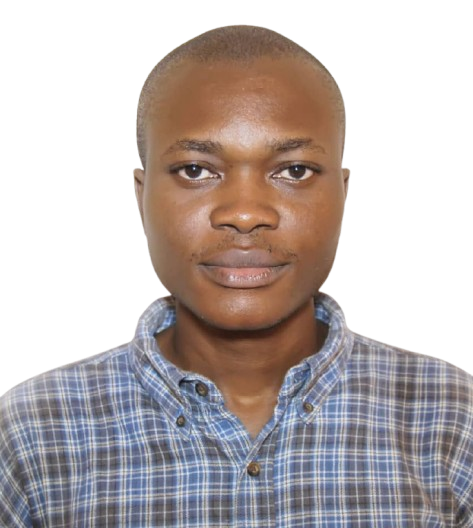
Physician and biomedical engineer Dr Glory Olatunji explains why diagnostic testing is essential in managing fever, the risks of taking medicines without proper assessment and how technology could improve malaria diagnosis.
For many Nigerians, a fever is enough to raise suspicions of malaria. Once the familiar symptoms of headache, body pains, weakness and high temperature appear, the next step is often a visit to a nearby pharmacy or patent medicine shop for antimalarial drugs.
The practice is common in communities where malaria remains a major public health concern and access to affordable medical care can be difficult.
However, physician and biomedical engineer Dr Glory Olatunji has warned that treating every episode of fever as malaria could expose patients to unnecessary medication while delaying diagnosis of potentially serious illnesses.
According to her, although fever is one of the common symptoms of malaria, it can also indicate several other conditions that require different forms of treatment.
“A fever is a symptom, not a diagnosis,” Olatunji said.
According to Olatunji, several illnesses, including typhoid, urinary tract infections, pneumonia, dengue and viral infections, can present with symptoms similar to those associated with malaria. Although the conditions may initially appear alike, they require different approaches to treatment.
When every fever is assumed to be malaria, patients risk taking medication they may not need, while the actual cause of their illness remains unidentified. This can allow an underlying infection to progress and potentially become more serious.
Olatunji’s position is informed by her experience as a research scientist with a diagnostic innovation research network focused on tropical diseases, based at a university college of medicine.
During her work there, she participated in the clinical performance assessment of a malaria diagnostic device that uses digital microscopy. The process involved comparing the device’s results with established laboratory methods using samples obtained from patients.
The experience offered her an opportunity to examine the importance of diagnostic accuracy and the relationship between clinical symptoms and laboratory findings. It also reinforced the need to establish the actual cause of an illness before making treatment decisions.
“Every treatment decision that follows rests on that result,” she said.

For her, the lesson is straightforward: symptoms may provide important clues, but they cannot independently establish whether a patient has malaria. Appropriate testing remains essential to making an informed diagnosis.
One reason people often self-diagnose malaria is familiarity with the disease. Having experienced it several times, many believe they can recognise its symptoms and determine when they need medication.
Olatunji acknowledges that people become familiar with how their bodies respond to illness. However, she cautions that this familiarity does not necessarily make self-diagnosis reliable.
Several infections can produce similar symptoms, particularly during the early stages of an illness. Consequently, even someone who has experienced malaria repeatedly cannot confidently establish that a new episode of fever is caused by the disease without appropriate testing.
She believes past experience should encourage people to seek medical attention early rather than assume they already know what is wrong.
A negative malaria test, she explained, should also prompt further clinical assessment, particularly when the patient remains visibly unwell. Healthcare professionals should consider the patient’s symptoms, physical examination, medical history, recent travel and illnesses circulating within the community before determining the next course of action.
Where the fever persists or the patient’s condition deteriorates, further medical assessment is necessary.
She also cautioned against replacing one assumption with another, particularly the tendency to move immediately to antibiotics when a malaria test is negative, without establishing a clear reason for their use.
“The aim is to find the most likely explanation and treat that,” she said.
Despite her concerns about self-medication, Olatunji is careful not to blame people who purchase antimalarial medicines directly from pharmacies and drug shops.
She recognises that access to healthcare is influenced by practical and economic considerations. Hospital visits can be expensive, diagnostic facilities may be located far from where people live, and taking time away from work or family responsibilities is not always easy.
For someone who has previously been treated for malaria and recovered, purchasing the same medication may appear to be the most convenient and affordable option.
This is why she believes public health interventions must go beyond simply telling people to stop self-medicating.
Instead, she advocates affordable and accessible diagnostic testing, clearer public education, stronger primary healthcare services and responsible dispensing practices.
Pharmacists and patent medicine vendors, she noted, are particularly important because they are often the first point of contact for people seeking treatment. Their position gives them an opportunity to encourage appropriate testing, explain the limitations of self-diagnosis and refer patients for further medical attention when necessary.
“Public health messages work best when they give people practical options and treat them with respect,” she said.
Beyond conventional diagnostic methods, Olatunji believes artificial intelligence and other digital technologies could improve malaria diagnosis if properly developed and evaluated.
Such technologies can support the analysis of blood smear images, improve consistency in laboratory interpretation and potentially extend diagnostic expertise to communities where trained microscopists are limited.
However, she emphasised that technological innovation must be accompanied by rigorous evaluation before widespread adoption.
Digital diagnostic systems must be tested using clinical samples and compared with established laboratory methods to determine whether they produce accurate and reliable results in the environments where they are expected to operate.
Other considerations include affordability, electricity supply, equipment maintenance, staff training and compatibility with existing laboratory processes.
These factors are particularly important in healthcare environments where infrastructure and technical resources may be limited.
“Technology can support healthcare workers a great deal,” she said, “although it cannot fix every weakness in a health system on its own.”
Her position reflects the need to approach medical innovation not simply in terms of what a technology can achieve, but also whether it can be implemented sustainably and deliver dependable results in everyday clinical practice.
For families, Olatunji’s advice is simple: a fever should be taken seriously, but it should not automatically be treated as malaria.
Where testing is available, people should seek appropriate diagnostic assessment and medical advice rather than rely solely on symptoms or previous experiences. She also advises against taking antimalarial or antibiotic medicines simply because they were effective during an earlier illness.
She particularly emphasised the importance of recognising symptoms that require urgent medical attention. Confusion, seizures, difficulty breathing and collapse are emergency warning signs that require immediate medical care. Families should not wait for an illness to reach this stage before seeking help.
Ultimately, her message is about making diagnosis an essential first step in the treatment process. Beyond helping individual patients receive appropriate care, accurate diagnosis supports healthcare professionals and encourages the responsible use of medicines.
She summed up her position in a single line: “Test before you treat, because knowing the real cause of a fever protects the patient, supports the health worker, and keeps our medicines working for the people who truly need them.”







