 Follow Us on Google News
 Follow Us on Google Discover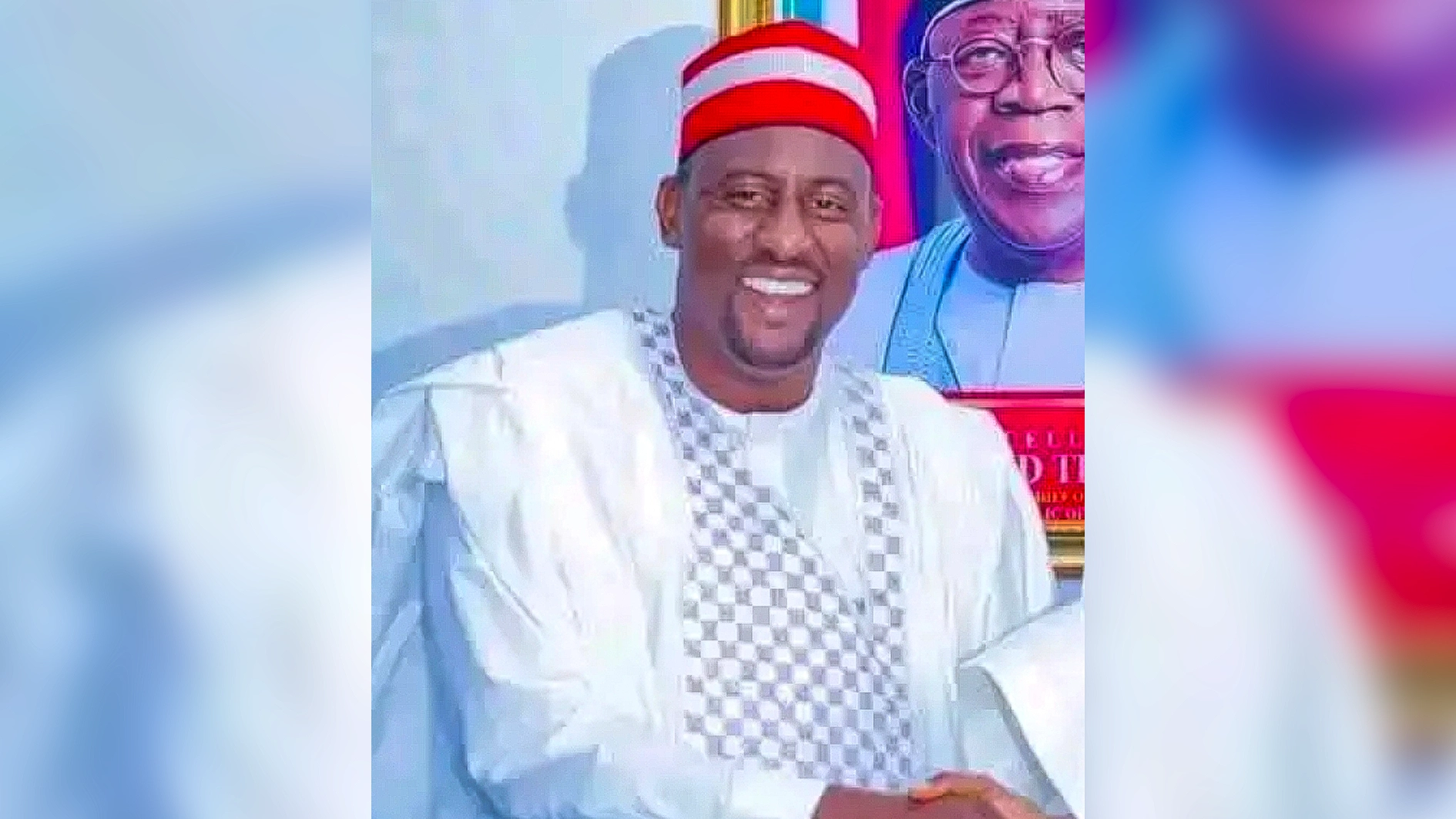
By Onyedika Agbedo
For the people of Nasarawa Federal Constituency in Kano State, Hassan Shehu Hussain is loudly answering the question about adequate representation through projects, policies and presence. A member of the House of Representatives, Hussain’s legislative activities in the constituency resonate well with his constituents.
Urban, densely populated and economically vibrant, Nasarawa Federal Constituency faces the same pressures as urban Kano: youth unemployment, pressure on public schools and hospitals, and infrastructure decay. In such an environment, a representative who can attract federal presence, sponsor relevant bills and deliver constituency projects becomes a critical bridge between government and the people. Hussain does exactly this and his constituents have described his three years in the Green Chamber as “a case study in what active, people-centred representation can look like.”
In an era where many voters complain of “ghost representatives,” Hussain’s tenure offers a different narrative – one built on legislation, constituency interventions and direct human impact.
From security advocacy to skills acquisition, from water projects to education scholarships, the story of Nasarawa under Hussain is that of the harvest of democracy dividends.
The lawmaker’s legislative agenda has focused on institutions that address long-term gaps in Kano and Nigeria at large. Among the bills he has sponsored are: Federal Vocational Skills Acquisition College, Yankaba, Kano State – the goal is to equip young people with practical, income-generating skills instead of waiting endlessly for white-collar jobs; National Institute for Cardiovascular Disease Research and Treatment, Kano State – a bid to bring specialised healthcare research closer to the North where patients often travel long distances for cardiac care; Establishment of Mortgage Bankers and Brokers – to deepen access to housing finance, a critical need in Nigeria’s rapidly urbanising cities; National Centre for Substance Abuse, Management and Treatment – seeks a coordinated national response to the growing challenge of drug abuse among the youth; and Violence Against Persons Prohibition Amendment Bill – a push to strengthen legal protections for women and vulnerable groups against all forms of violence.

He has also moved several motions, which include a call for the rehabilitation and adequate equipping of Aminu Kano Teaching Hospital (AKTH); a motion on the collapsing state of Bompai, Sharada and Challawa industrial estates in Kano, which were once the manufacturing heartbeat of the region; and a demand to investigate the Bureau of Public Enterprises (BPE) over the privatisation and commercialisation of public enterprises between 2019 and 2023, raising questions of transparency and public value.
Also, Hussain has spoken on insecurity in Northern Nigeria. He has publicly called for urgent recruitment into security agencies, constitutional amendment to allow state policing and stronger support for local vigilante groups. His argument is simple: communities cannot develop under fear. Government must act decisively to protect lives before any other dividend of democracy can matter.
He has executed many constituency projects with education at the centre of his agenda. This is reflected through the construction of modern classrooms in Ladanai, Hotoron Area, Dakota, and Tinshama Nomadic Primary Schools; construction of blocks of classrooms and modern toilets at Hotoron Kudu Primary School; construction of Mai Aminu Mai Diwani Islamic School, Tudun Wada; supporting both formal and Islamic education; granting of scholarships and payment of undergraduate registration fees for students at Bayero University Kano, Northwest University, Aliko Dangote University of Science and Technology, Wudil; Federal University Dutse, and Ahmadu Bello University, Zaria. For families struggling with school costs, these interventions are the difference between a child staying in school or dropping out.
In the area of health, Hussain has brought healthcare closer to the people with the construction of Primary Healthcare Centres in Yandodo, Hotoron Area, and Dakota. These facilities reduce the burden on overcrowded general hospitals and bring basic care to neighbourhood level. Also, his advocacy for the rehabilitation of AKTH signals an understanding that primary care must be backed by strong referral hospitals.
The constituency has also witnessed improvements in the areas of water supply, power, infrastructure and youth empowerment through his legislative activities. For instance, he has built hundreds of solar-powered boreholes and drilled hand pumps in various communities, as well as a comprehensive water supply scheme in Kaura Goje. He has donated 500 KVA transformers to communities experiencing blackout and constructed roads in Tudun Wada, Tudun Murtala, Hotoron Kudu, Gawuna, Bukar Bulori Layin Madaci and Kaura Goje to connect people to markets, schools and hospitals. Through his intervention, the skills acquisition centre at Kawo, Giginyu, now trains young people in trades even as he has provided capital support for small businesses, women cooperatives and community-based organisations.
In a political culture often focused on the loudest voices, Hussain’s attention to the vulnerable also stands out as he has consistently provided assistance to people with special needs and aged citizens.
Assessing the performance of the lawmaker, a trader in Hotoron Kudu Market, Hajiya Aisha Musa, said: “Before, our children were sitting on the floor in Hotoron Kudu Primary. Now my two grandchildren are learning in new classrooms with desks and even toilets that work. Hussain is not like those who come only during elections. We see his people every month. For us market women, the borehole he gave us has reduced how much we spend on water. That is real governance.”
An artisan at Tudun Wada, Malam Ibrahim Suleiman, also stated: “I am a welder. The tools and capital support we received from his office helped me expand my workshop and employ two apprentices. The road in Tudun Wada was bad for years. Now trailers can enter to buy our products. He also spoke for us in Abuja about the collapsing Sharada estate. If those industries come back, our boys will have work. That is the kind of representative we need.”
Giving an account of his stewardship at a Constituency Town hall in Nasarawa recently, Hussain reaffirmed his commitment to serve.
“The mandate you gave me is not for self. It is a trust. Every borehole we drill, every classroom we build, every scholarship we pay is your money working for you. My job is to be your voice in Abuja and your hands in Nasarawa. If I have done well, the credit belongs to you. If I have not, you have the right to ask me why. That is democracy,” he said.
As the 2027 elections beckon, whether that translates into another term will be decided by the voters. But the work done so far has already shifted the conversation in Nasarawa from “What has government done for us?” to “Look at what we have been able to achieve together.”

