 Follow Us on Google News



 Follow Us on Google Discover
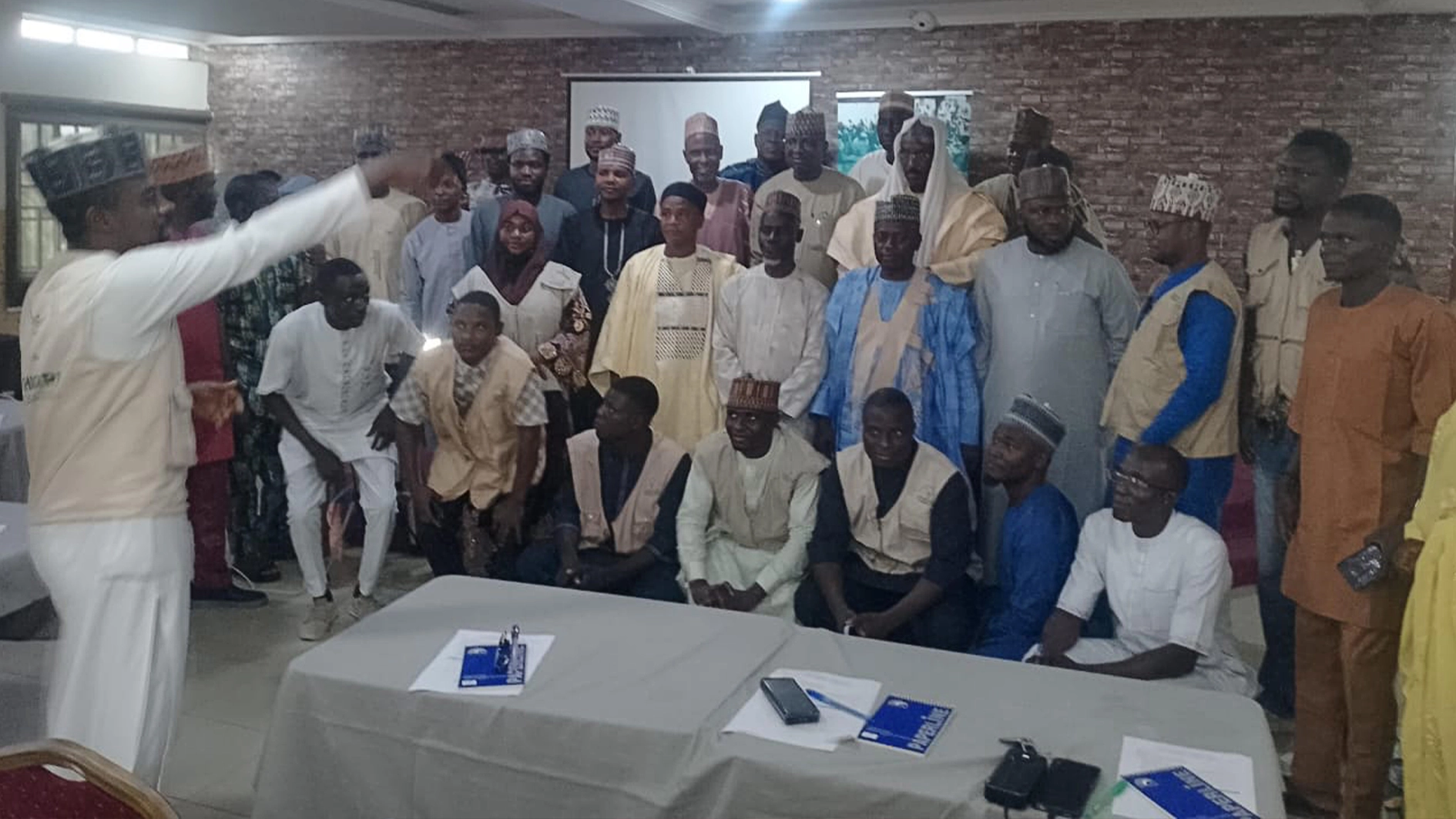
The Executive Secretary of the Taraba State Primary Health Care Development Agency, Dr. Nuhu Tukura, has called on traditional rulers and community leaders to intensify their involvement in immunisation campaigns to ensure that eligible persons across the state have access to routine vaccination.
Tukura made the call on Saturday in Jalingo during the third-quarter 2026 Local Government Areas Emirate Council Committee on Health (ECCOH) and Data Accountability Clerks (DAC) review meeting.
The meeting, organised by the Chigari Foundation in collaboration with the Taraba State Primary Health Care Development Agency, which took place was held at Sifen Kitchen, in Jalingo, the state capital, was observed to have brought together ECCOH and DAC representatives from the state’s 16 local government councils of the state.
The gathering provided an opportunity to present and document ECCOH activities at local government and ward levels during the quarter, with evidence of active participation by DACs and local government ECCOH structures.
Participants were observed to have also reviewed September 2026 routine immunisation data, identified wards and local government areas classified as red or yellow, and highlighted areas requiring immediate intervention by monitoring and evaluation focal persons.
While the gathering further examined challenges confronting LGA and ECCOH structures, alongside strategies adopted to address them, participants were noticed to have also agreed on recommendations and clear action plans, with designated responsibilities and timelines for underperforming wards. They unanimously resolved to strengthen DAC oversight and accountability within ECCOH structures ahead of the fourth quarter of 2026.

Speaking, Tukura commended the Chigari Foundation for its contributions to strengthening community participation in healthcare delivery.
He urged ECCOH and DAC members to intensify their efforts to ensure that residents of their respective communities and local government areas have access to routine immunisation services.
Earlier, the Programme Officer of the Chigari Foundation, Mohammed Sale, praised the contributions of ECCOH and DAC members, assuring them that the foundation would continue working to ensure that traditional rulers actively mobilise their subjects for immunisation.
Sale also urged the committee members not to work in isolation but to strengthen collaboration among themselves to achieve the foundation’s objectives.
Development partners, including Helen Keller International, New Incentives, Sultan Foundation and the World Health Organisation (WHO), among others, commended the Chigari Foundation’s leadership in Taraba state.
The partners pledged to collaborate with the foundation to ensure that eligible persons across communities in the state have access to immunisation and other essential healthcare services.
Some ECCOH and DAC members, who spoke with The Guardian, said the Chigari Foundation had provided them with opportunities to become more actively involved in health related activities within their respective communities.
Similarly, a polio survivor in the state, Sarki Henry, commended the foundation for involving traditional institutions in community mobilisation, noting the importance of engaging grassroots leaders in promoting immunisation.

