
 Get Guardian on Google
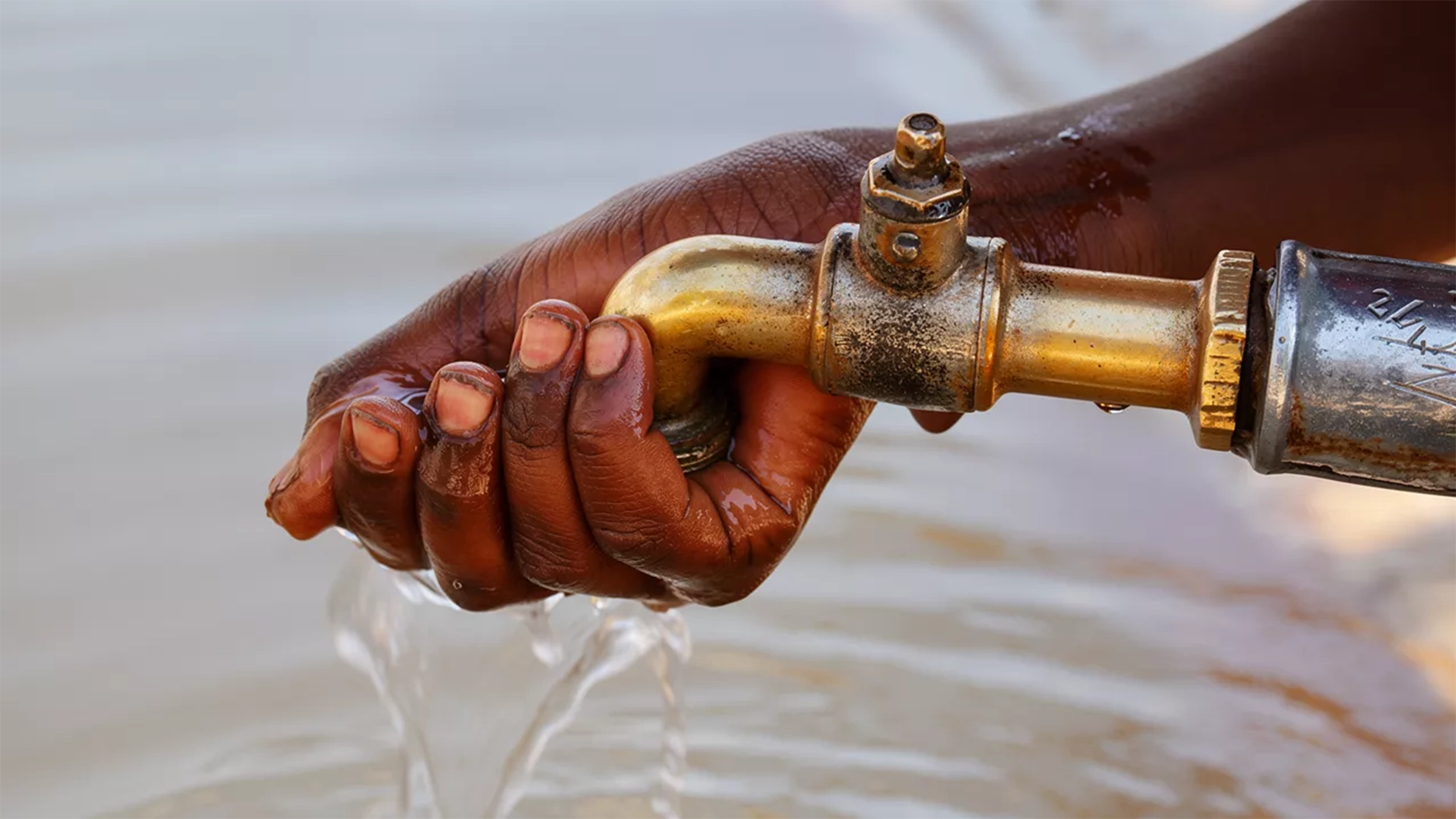
Amid rising cases of outbreaks of infectious diseases in the country, the Federal Ministry of Water Resources and Sanitation, WaterAid Nigeria, World Health Organisation (WHO) have intensified call for the urgent need to integrate regular hand washing into the nation’s public health and pandemic preparedness strategies to curb the spread.
The call followed report indicating that in 2026 alone the country recorded over 10,000 cases of diphtheria, 65,000 suspected cases of cholera across 35 states this year, as well the confirmed Ebola case in Abuja that placed the country on alert
The stakeholders however harped on the need to agree on practical actions that will strengthen the national preparedness against infectious disease outbreaks.
They made the call at a roundtable on handwashing for preparedness and effective infection prevention and control, with a focus on Ebola, diphtheria and other communicable diseases.
Speaking at the event, the Director Water Quality Control and Sanitation Federal Ministry of Water Resources noted that Nigeria has witnessed how various public health emergencies, including the Ebola outbreak of 2014, COVID-19 pandemic can quickly disrupt the healthcare systems, communities, educational institutions and economic activities.
He said that these experiences have reinforced the need for preparedness measures that are proactive, sustainable and supported by adequate infrastructure, emphasizing that Handwashing with soap and running water remain one of the simplest, most affordable and effective measures for preventing the transmission of many infectious diseases.
The Director however stressed need for increased investment in reliable water supply and functional WASH facilities in households, schools, healthcare centres, markets and motor parks.
He also called for to integrate water supply, sanitation and hygiene services, noting that access to toilets must be complemented by functional handwashing facilities.
He further emphasised need for sustainable financing, regular maintenance and institutional accountability to prevent WASH facilities from becoming non-functional after installation.
He also called for sustained hygiene awareness campaigns and greater community participation to make handwashing with soap a regular practice rather than a response to disease outbreaks.
Country Director of WaterAid Nigeria, Evelyn Mere in her remarks said handwashing with soap and running water remained a critical component of infection prevention and control, stressing the need to make it a daily practice rather than an emergency response during disease outbreaks.
She said climate change had increased the risk of pandemics globally, making it necessary for countries to take deliberate steps to strengthen preparedness and prevent the spread of infectious diseases.
Mere, however, noted that effective handwashing required more than public awareness, as communities must have access to functional handwashing facilities and a reliable supply of water.
Citing the 2019 Water, Sanitation and Hygiene National Outcome Routine Mapping (WASHNORM) report, she said although 81 per cent of household heads in Nigeria knew at least two critical times for handwashing, only 10 per cent demonstrated proper handwashing with soap under running water.
According to her, only seven per cent of healthcare facilities and 14 per cent of markets and motor parks had access to basic water and sanitation facilities.
Mere said inadequate infrastructure, particularly in rural communities, also undermined efforts to sustain proper handwashing practices.
She further faulted the failure to implement the National Roadmap to Hand Hygiene for All (2021–2025), which was developed and launched in 2022 to promote sustainable hand hygiene practices as part of the country’s public health and development agenda.
According to her, the roadmap was neither costed nor implemented before its target year elapsed.
She said sustainable access to water, sanitation and hygiene facilities required long-term planning and consistent investment by all levels of government, rather than emergency interventions during disease outbreaks.
Mere said WaterAid Nigeria convened the roundtable in partnership with the World Health Organisation and the Federal Ministry of Water Resources and Sanitation to raise awareness and mobilise stakeholders towards prioritising handwashing.
She urged stakeholders to invest in water and sanitation infrastructure and promote behavioural change to ensure that individuals and communities could practise regular handwashing and protect themselves against infectious diseases.