• Unveils smart project to tackle stigma, screen students for genotype
• Seeks stronger policies, NHIS coverage to reduce cost
The Anissa Sickle Cell Foundation (ASCF) has raised alarm over the high cost of both curative treatment and routine care for Nigerians living with sickle cell disease, warning that financial barriers continue to restrict access to life-saving interventions.
The foundation insists that while options such as bone marrow transplant and emerging gene therapy offer hope for a cure and are currently available in Nigeria, the expense, complexity and risks involved make them unattainable for many affected individuals. At the same time, the recurring costs of medications, hospital visits and emergency care place enormous pressure on families managing the condition.
The Guardian found that a typical sickle cell warrior spends tens of thousands of naira monthly on medications alone. For example, Hydroxyurea, a key drug used to reduce crises, costs about N7,000 per pack, with many patients requiring multiple packs per month. Other essential medications include folic acid at N2,000, vitamin C at N3,000, malaria prophylaxis such as proguanil at N1,000, and pain medications like cocodamol costing N2,500 per sachet.
Further inquiry revealed that monthly consultations with haematologists range from N10,000 in government hospitals to N30,000 in private facilities, while routine laboratory tests, including full blood counts, cost between N5,000 and N6,000 in public hospitals and up to N20,000 privately.
During severe sickle cell crises, hospital admissions can cost between N50,000 and N100,000 per week for accommodation in government hospitals, with medications and infusions pushing total costs to N200,000 to N250,000 per episode. In private hospitals, daily admission fees range from N60,000 to N80,000, with total crisis management costs rising to N500,000 or even N1 million.
According to the Sickle Cell Foundation Nigeria (SCFN) and Centre for Policy Impact in Global Health, Nigeria has the world’s highest sickle cell burden, with over 40 million carriers and roughly 150,000 babies born with SCD annually, but tragically, about 100,000 of these children die before age five due to lack of care.
Despite this prevalence, experts said that awareness remains low, early diagnosis is limited, and access to affordable treatment is largely unavailable, contributing to preventable complications and early deaths.
ASCF founder and Executive Director, Anisa Ishaq-Balogun, told The Guardian that managing sickle cell disease in Nigeria is financially exhausting for most families, given the high cost of medications and hospital care.
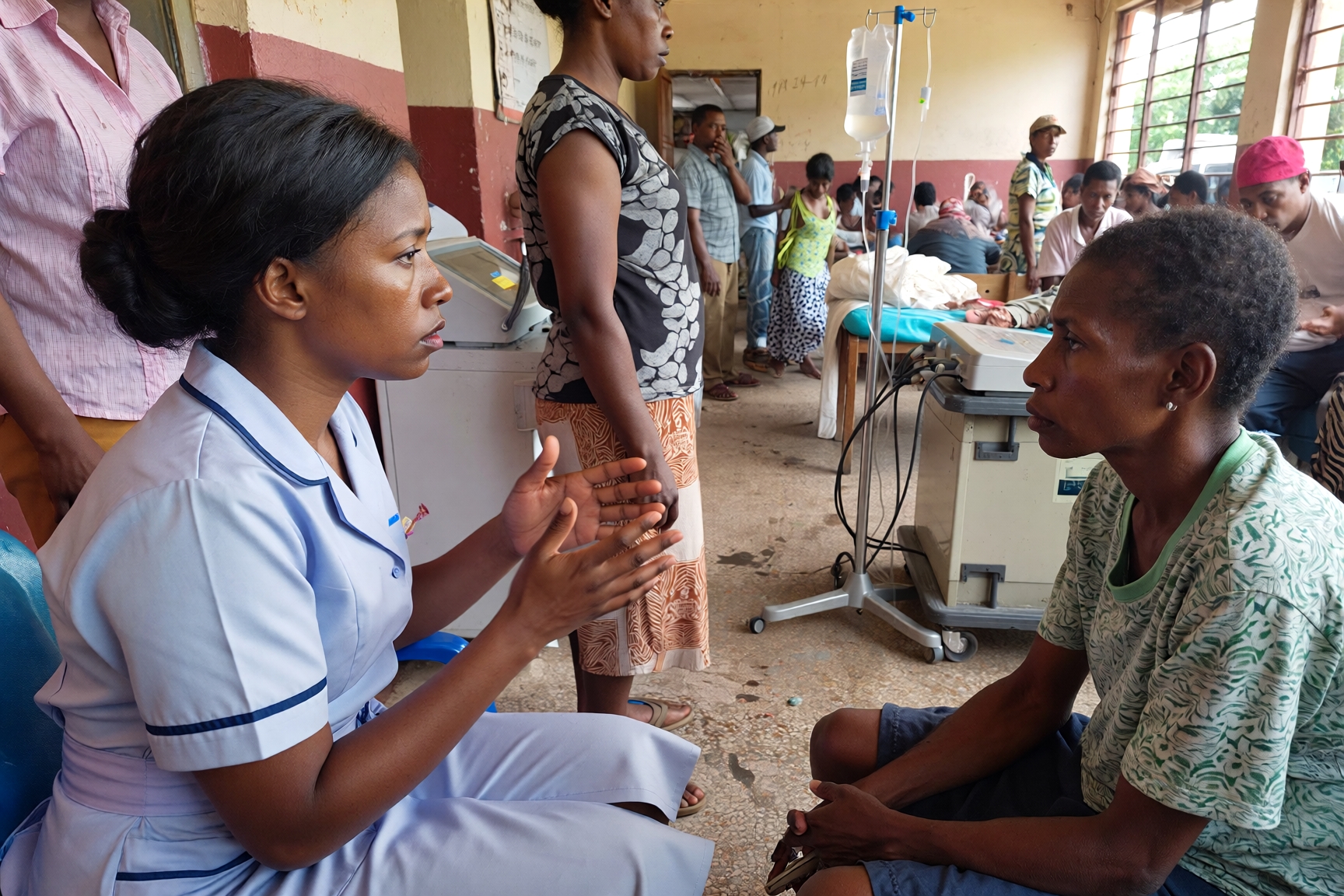
She explained that during crises, expenses multiply as warriors often require hospital admission, blood transfusions, oxygen therapy, and high doses of pain medication. “Families struggle to cope, and many simply endure pain at home because they cannot afford proper care,” she said.
On curative treatment, she said bone marrow transplant is currently the main option in Nigeria capable of curing sickle cell disease, but it remains largely inaccessible due to cost and complexity. She said the procedure, available mainly in Lagos, costs an estimated N80 million to N85 million, excluding donor testing and other associated expenses.
The ASCF founder explained that the process involves finding a closely matched donor, undergoing chemotherapy to prevent rejection, and a long recovery period and cautioned that risks, including graft-versus-host disease, mean the procedure is not guaranteed to succeed and is not a simple cure.
Ishaq-Balogun highlighted the importance of prevention through education and early diagnosis. She said the foundation’s Sickle Cell Smart Project takes awareness campaigns into schools, teaching students about genotype awareness, prevention and stigma reduction.
According to her, the project has already reached three local government areas in Lagos State, including Apapa, Lagos Mainland and Shomolu; educating 371 students and helping 268 determine their genotype and blood group, with two teenagers identified as living with the disease. She said educating young people early helps them make informed life choices and reduces stigma toward affected peers.
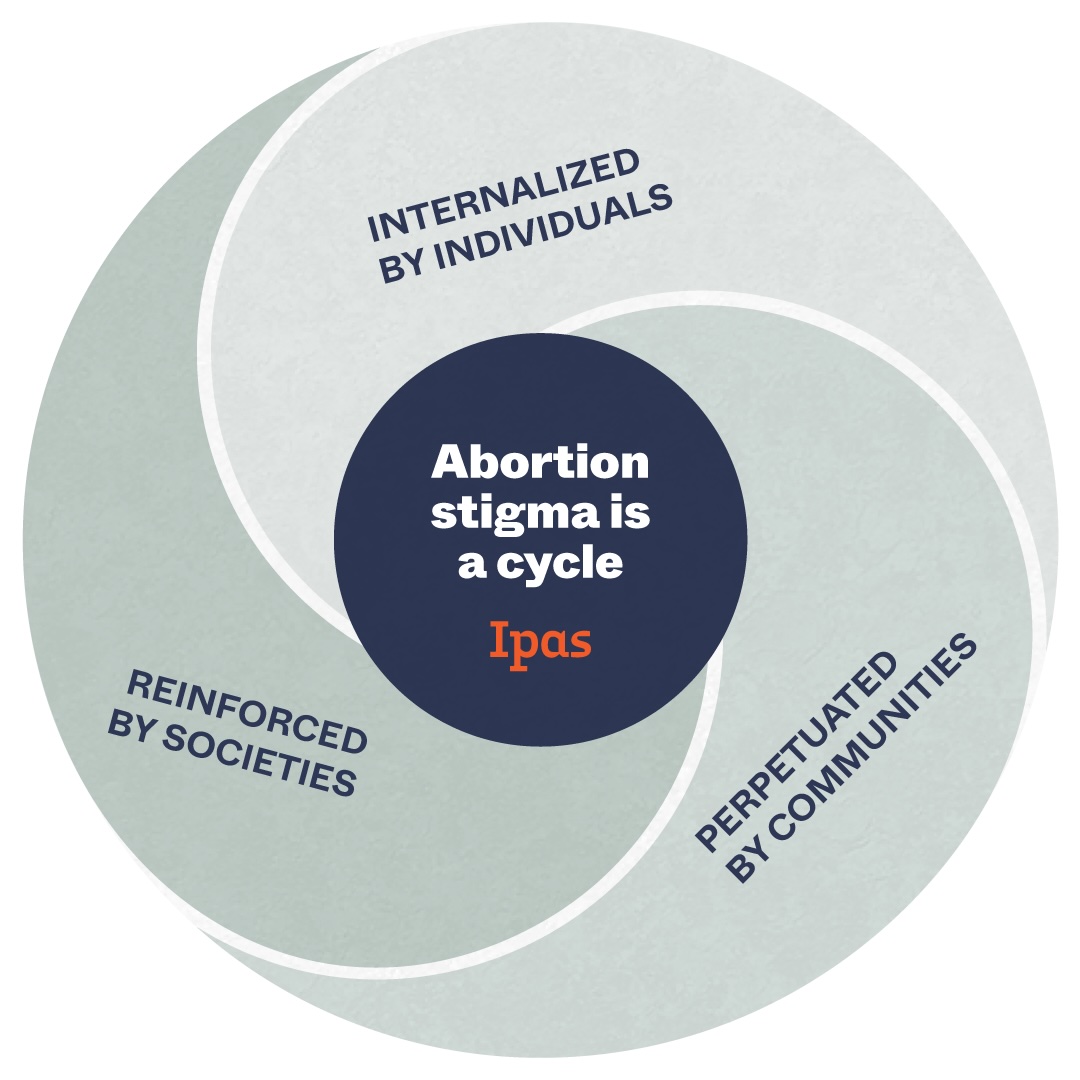
She further said stigma and mental health challenges remain major concerns for warriors and stressed the need for empathy rather than pity in supporting those living with the disease. Misconceptions often portray patients as lazy or weak, leading to discrimination at home, in schools, and in workplaces. “Repeated exposure to negative attitudes can lead to depression and even suicidal thoughts,” she added.
On policy, Ishaq-Balogun called for nationwide newborn screening to enable early diagnosis and better data collection. She urged the government to fully integrate sickle cell disease into the National Health Insurance Scheme, providing subsidised or free access to medications and routine care. “If the government ensures affordable healthcare coverage, it will prevent avoidable complications, reduce the long-term cost of care, and improve the quality of life for millions of Nigerians living with this condition,” she said.
Ishaq-Balogun said the foundation was created to address widespread ignorance about sickle cell disease and to support those living with it.
She explained that the organisation’s work encompasses raising awareness, supporting warriors psychologically, and engaging with policymakers to ensure legislation protects affected individuals. Living with the condition herself, she said she understands the physical, emotional, and financial toll it takes on daily life.
She appealed to the government agencies, private organisations, and civil society to support ASCF’s initiatives and urged collective action to improve both the cost and access to care for Nigerian warriors. “Reducing the prevalence of sickle cell disease and making care affordable requires coordinated efforts from all stakeholders,” she added.