 Follow Us on Google News


 Follow Us on Google Discover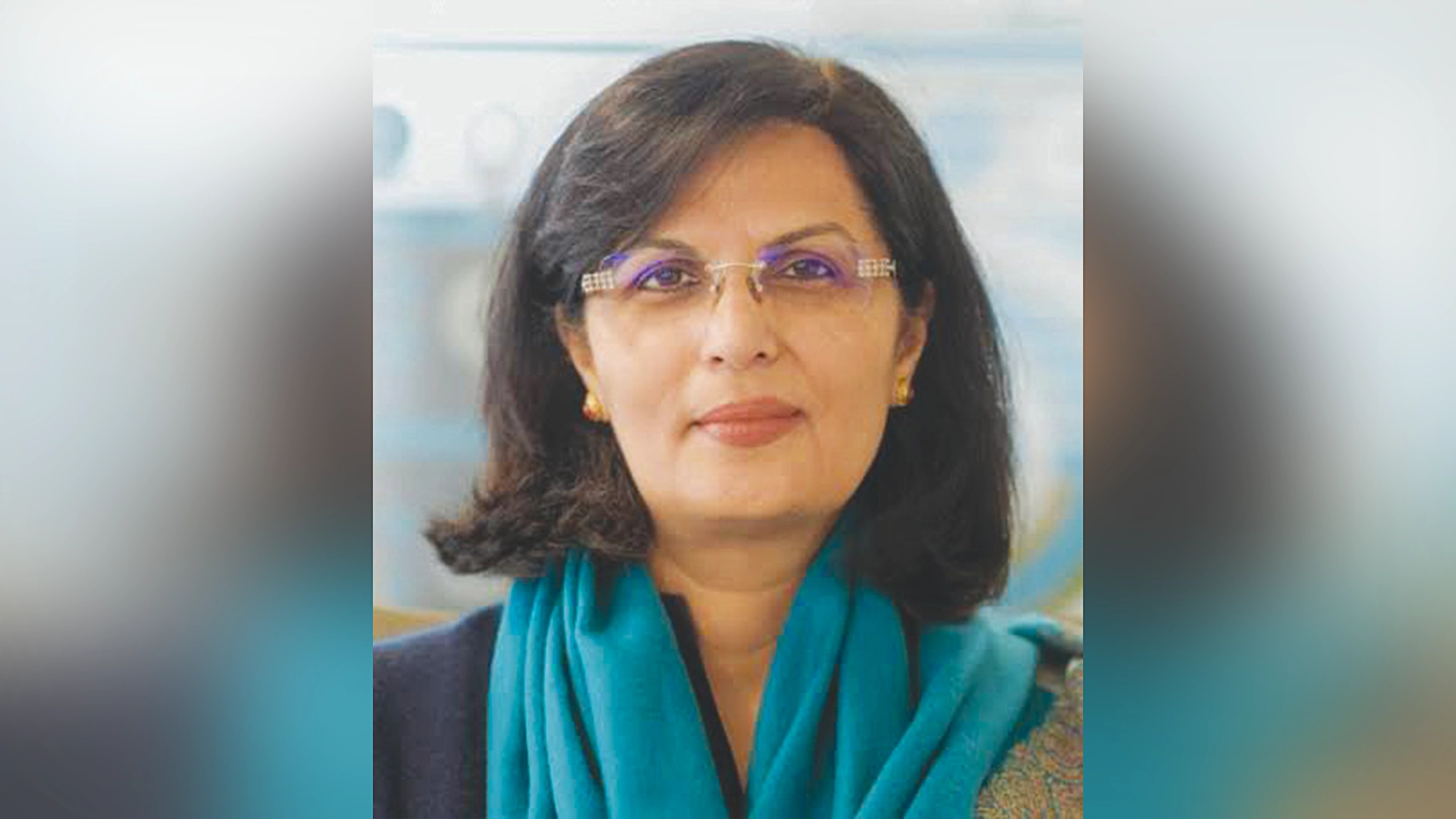
Dr Sania Nishtar is the Chief Executive Officer of Gavi, the Vaccine Alliance. She spoke to NKECHI ONYEDIKA-UGOEZE during her visit to Nigeria on how Gavi is shaping the vaccine market to lower costs, securing local manufacturing capacity in Africa, and protecting millions of Nigerians from vaccine-preventable diseases.
Gavi has been a major partner in supporting Nigeria’s healthcare system, particularly immunisation. What are the plans for sustaining and strengthening it over the coming years?
WE congratulate Nigeria on the outcomes of its recent integrated immunisation campaign, which was the largest in Africa; and reaffirm Gavi’s partnership with Nigeria and commitment of $500 million over the next five years. We plan to discuss how we can accelerate progress over the next five years and support the government as it increasingly takes on greater ownership and leadership of its national immunisation programme.
Nigeria was certified free of wild poliovirus in 2020, yet circulating vaccine-derived poliovirus (cVDPV2) remains a threat, particularly in conflict-affected northern regions. How will Gavi tailor its support, considering that despite a 35 per cent decrease in cVDPV2 detections in 2025, insecurity and population movement continue to drive transmission?
As you mentioned, Nigeria’s 35 per cent decline in cVDPV2 detections represents significant progress. We need to build on this by establishing stronger routine immunisation systems that consistently reach children wherever they live rather than relying on campaigns. Gavi can support Nigeria to use better data, digital enumeration, community engagement and integrated service delivery to identify and reach missed children, including those in zero-contact settlements. By integrating routine immunisation and polio programmes, we can ensure that every contact with the health system becomes an opportunity to vaccinate.
Nigeria accounts for over 10 per cent of Africa’s cancer burden, with cervical cancer being a leading cause of death among women. How will Gavi’s funding help transition the HPV programme to a sustainable, routine part of adolescent health services?
Nigeria has already achieved something extraordinary by vaccinating more than 16 million girls against HPV, making it one of the largest HPV rollouts in the world. You are correct that the next challenge is sustainability. Gavi’s support will help integrate HPV vaccination into routine services, strengthen school and community delivery platforms, improve data systems, train health workers and ensure girls who are out of school or living in remote communities are not left behind.

You’ve previously highlighted the need for better data systems to identify zero-dose children and strengthen routine immunisation. How will Gavi’s investment in Geneva be used to upgrade digital health infrastructure such as DHIS2, ensuring that data drives decision-making?
Data is one of our most powerful tools for reaching missed children. Nigeria’s recent success, including identifying more than 117,000 zero-dose children during its integrated campaign, shows what is possible when it is used effectively.
Gavi will continue supporting investments in digital health infrastructure, including immunisation registries, planning tools, real-time monitoring systems and platforms such as DHIS2. But technology alone is not enough. Through our Gavi LEAP reform programme approach, we are helping health workers and local authorities use data to identify gaps, target underserved communities and improve accountability. Better data leads to better decisions, and better decisions mean more children protected.
Nigeria’s immunisation financing assessments reveal a heavy reliance on external partners like Gavi and Global Polio Eradication Initiative is Global Polio Eradication Initiative (GPEI). What mechanisms are being put in place to ensure that Nigerian state governments increase their domestic budget allocations over time?
Our model has always been built around co-financing and helping countries take greater ownership of their immunisation programmes as their economies and capacities grow.
The new five-year Gavi framework gives Nigeria greater predictability to plan and invest for the long term, while we continue supporting efforts to strengthen domestic resource mobilisation and sustainable financing. Nigeria has already contributed more than $516 million through co-financing, which should be seen as a source of national pride. Going forward, we will continue to look for ways to use external donor funding strategically to build stronger and more sustainable systems.
Global health funding is under increasing pressure. If funding declines over the next few years, what is most at risk for Nigerian children? What is the solution?
What is most at risk is the progress Nigeria has worked so hard to achieve. Reduced investment could increase the risk of vaccine stockouts, programme delays, disease outbreaks and missed opportunities to reach the most vulnerable children.
The solution is two-fold: continued investment in immunisation, which remains one of the best buys in public health, and greater efficiency. Through the Gavi LEAP reform programme, we are simplifying processes, strengthening country ownership and focusing resources where they can have the greatest impact.
How is Gavi shaping the vaccine market to lower costs and secure local manufacturing capacity in regions like Africa?
By creating predictable demand and encouraging competition, Gavi has been able to dramatically reduce the cost of vaccines for lower-income countries. Today, our market shaping expertise is focused on Africa. Through our African Vaccine Manufacturing Accelerator (AVMA) initiative, Gavi has committed $1 billion to support commercially viable vaccine production, and a further $189 million to strengthen demand and build an ecosystem, the regulatory framework, supply chains, skilled workforce and other elements necessary to support it. We hope AVMA will have a catalytic impact on building resilient regional supply and strengthening health security across the continent.
Nigeria recently delivered Africa’s largest-ever immunisation campaign, reaching more than 102 million children. What made this campaign successful and what lessons can other countries learn from Nigeria’s approach?
This campaign succeeded because it was country-led, data-driven and integrated. Strong government leadership aligned partners, while the delivery of multiple health interventions through a single platform helped maximise impact and efficiency.
Importantly, the campaign also identified and vaccinated more than 117,000 zero-dose children who had previously been missed. The lesson is clear: when governments lead, data guides, decisions and services are integrated, it is possible to achieve both scale and equity.
Looking back over the past two decades, what do you see as Nigeria’s most significant immunisation achievements? Looking ahead, what are the most important priorities and challenges?
Over the past two decades, Nigeria has introduced nine new vaccine antigens, including HPV and malaria. It reached more than 2.3 million zero-dose children through the Big Catch-Up and recently delivered Africa’s largest-ever immunisation campaign. These achievements all deserve recognition.
The priority now must be to reach the 2.2 million children who are still left behind. The next chapter needs to be about stronger routine immunisation, better data, sustainable financing and deeper integration with primary healthcare so that every child is reached.

