 Follow Us on Google News


 Follow Us on Google Discover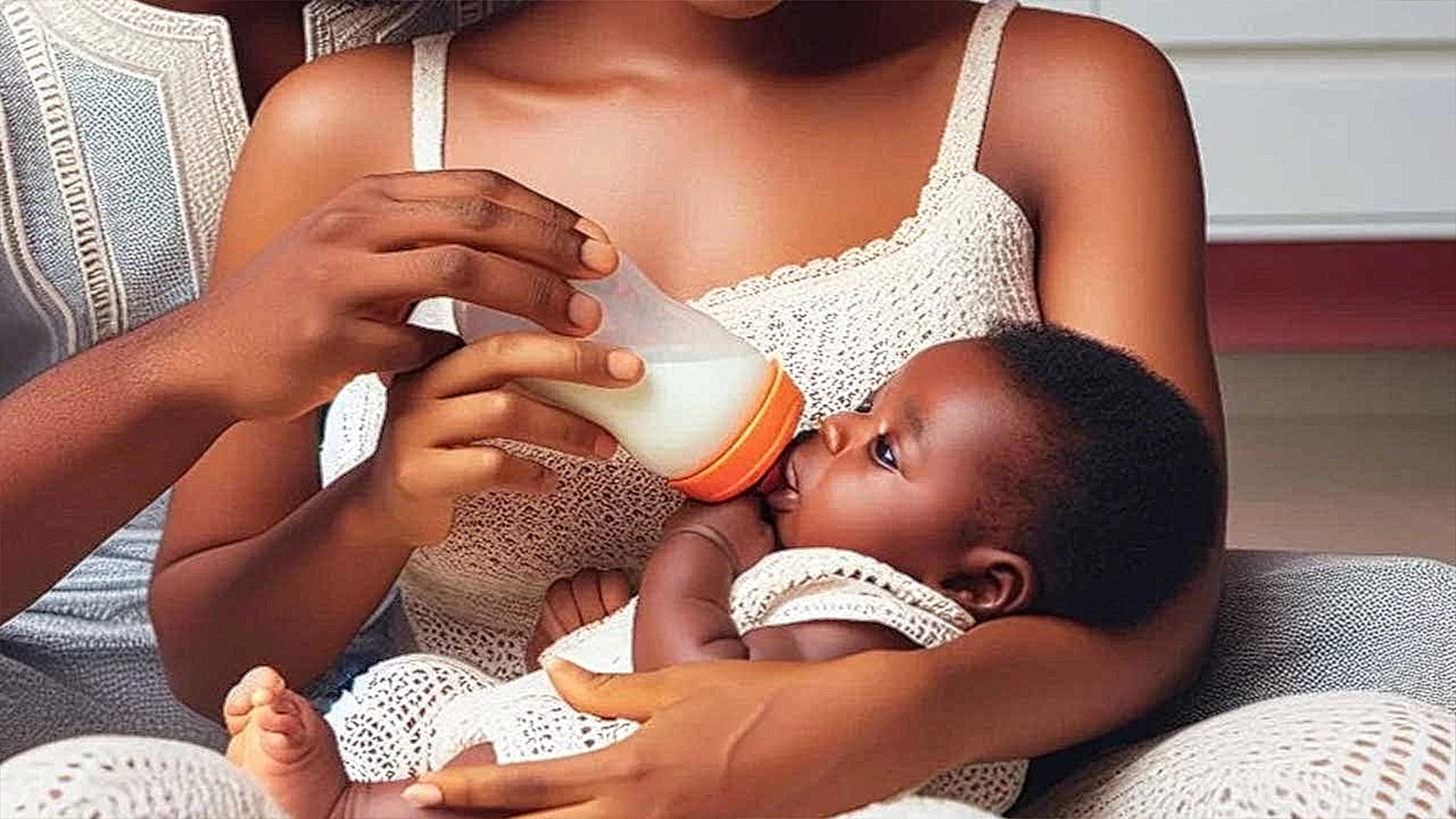
Nigeria has emerged as the least affordable country for baby formula, nappies and baby clothing in a new global comparison of the cost of raising a child during the first year of life.
The study by Remitly, a digital financial services company, found that a year’s supply of baby formula in Nigeria costs about $1,040, equivalent to 131.1 per cent of the country’s average annual wage.
The finding places Nigeria at the bottom of the 74 countries ranked for the affordability of baby formula, ahead of Bangladesh, where a year’s supply is equivalent to 115.8 per cent of the average wage.
The research also showed that the financial burden extends beyond infant feeding, with Nigeria ranking as the least affordable country for baby-changing essentials, clothing and travel essentials when the costs are measured against average local income.
According to the study, a year’s supply of nappies, wipes and rash cream in Nigeria is equivalent to 123.6 per cent of the average wage, while first-year baby clothing costs about $899, representing 113.7 per cent of the average wage.
Similarly, baby travel essentials, comprising an infant car seat and stroller, cost about $311 in Nigeria, or 39.3 per cent of the average yearly wage.

Overall, Remitly estimated that its basket of baby essentials for the first year costs about $3,500 in Nigeria, underscoring the relatively high financial burden faced by families when the cost is considered against average earnings.
The comparison covered more than 90 countries and examined 14 staple baby essentials across six categories: diaper changes, bottles, baby formula, sleep, transport and clothing.
To arrive at the figures, Remitly said its team manually collected prices from local baby stores, supermarkets and online pharmacies in more than 90 countries. The researchers selected affordable options rather than expensive branded alternatives and calculated the estimated yearly cost of each item and category.
The quantities used were based on estimates from authoritative sources of what a baby would require during the first year. These included diapers, wet wipes, rash cream, feeding bottles, formula, a crib or carrycot, mattress, fitted sheets, blankets, an infant car seat, stroller, bodysuits, babygrows or pants and socks.
The researchers then converted prices in local currencies to United States dollars using exchange rates on June 18, 2026, and compared the annual cost of each category with the average wage in each country, using International Labour Organisation data.
Remitly cautioned that the quantities and items were based on United States norms and could vary according to local customs, individual needs and personal choices.
The wider findings showed considerable differences in the cost of raising a baby across countries. Uzbekistan had the highest overall cost of the study’s basket at $8,879, while Pakistan recorded the lowest at $1,720.
In terms of affordability relative to average wages, Belgium ranked first, with its baby-essential basket accounting for 5.4 per cent of the average wage, followed by Luxembourg at 5.9 per cent and Denmark at 6.7 per cent.
The United States ranked fourth at 6.8 per cent, while the United Kingdom ranked sixth at 7.5 per cent. The study found that the affordability gap was also pronounced for baby-changing essentials.
Nigeria also ranked last for baby clothing, with the first-year cost equivalent to 113.7 per cent of the average wage. The United States was the most affordable country in this category at 0.7 per cent.
For baby travel essentials, Nigeria again ranked last, with the cost of an infant car seat and stroller equivalent to 39.3 per cent of the average wage, compared with 0.2 per cent in Switzerland, the most affordable country in the category.
Remitly said the comparison was intended to illustrate how differently the everyday costs associated with a baby’s first year can affect families depending on where they live.
The company noted that while the first year of parenthood can involve significant expenses, families may also reduce costs through discounts, hand-me-downs and by distinguishing between items considered essential and those shaped by local parenting practices.

