 Follow Us on Google News


 Follow Us on Google Discover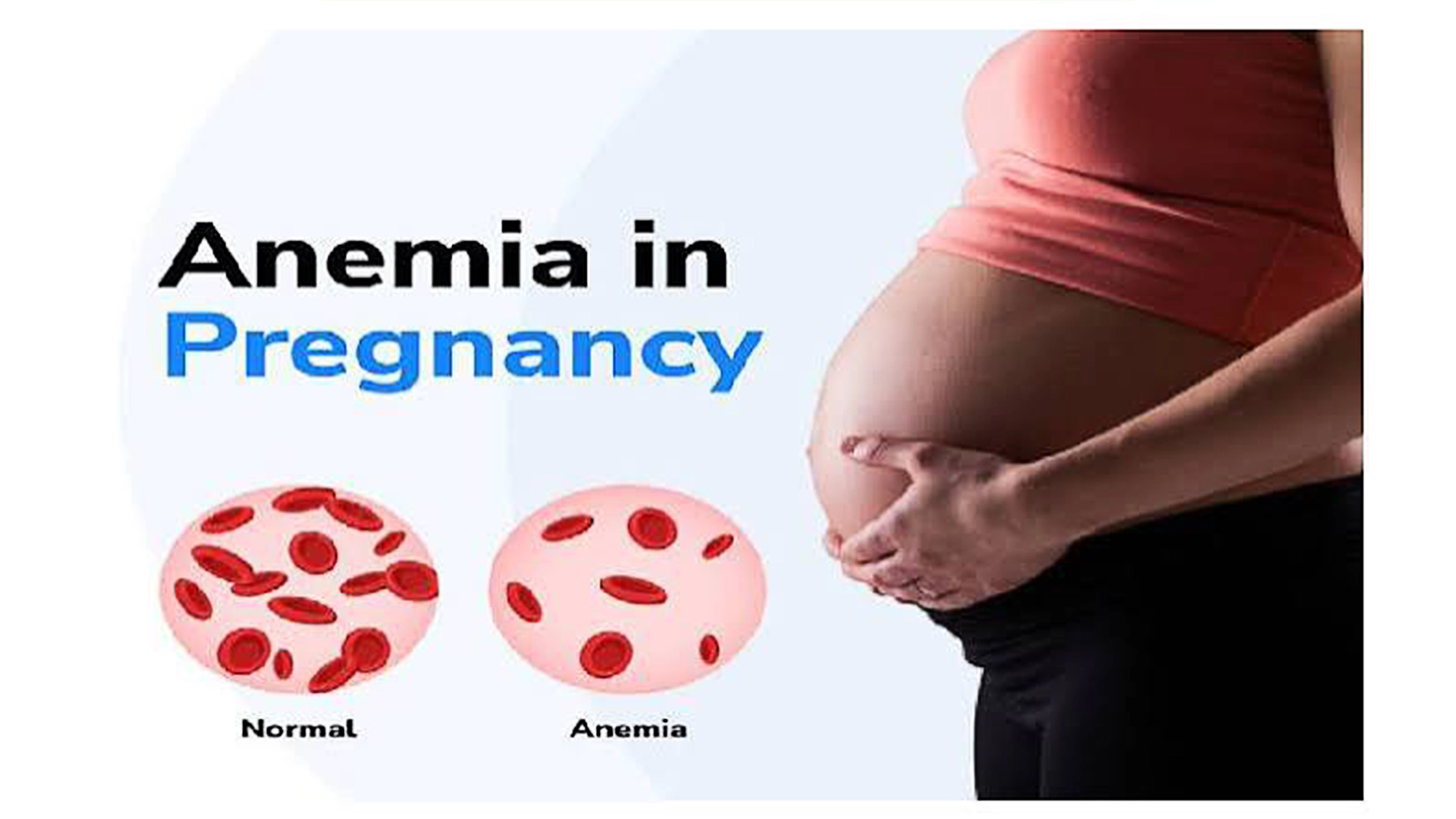
A new study by the Academic and Research Network, Nigeria, in collaboration with the Civil Society Council for Health, Nigeria, has found that 80.3 per cent of pregnant women experienced stockouts of Multiple Micronutrient Supplements (MMS) at health facilities, while only 29.4 per cent said the supplements were always available.
The study found that 92.1 per cent of women were willing to take MMS if available, but only 62.9 per cent received the supplements during pregnancy when they were available. Just 23 per cent reported daily use.
The findings were presented at a briefing on anaemia in Nigeria organised by the Civil Society Scaling-Up Nutrition in Nigeria (CS-SUNN) in Abuja. The study examined awareness, financing and uptake of MMS as an intervention for preventing anaemia among pregnant women, as well as systemic and behavioural barriers to its use.
MMS is a cost-effective intervention for improving the health and nutrition of pregnant women and their babies, while micronutrient deficiencies during pregnancy can contribute to poor maternal weight gain, impaired foetal growth, birth defects, stillbirth and maternal death.
Speaking at the event, Director of Nutrition, Federal Ministry of Health and Social Welfare, Mrs Adegbite Olufunmilola, described Nigeria’s anaemia burden as a “devastating crisis”, noting that prevalence among pregnant women remains above 50 per cent.
She said the government was expanding the use of MMS alongside iron-folic acid supplementation, adding that the ministry had reached states with MMS, although only about 10 had commenced its use. “We are pushing forward to ensure more states key into the use of MMS in Nigeria,” she said.

The study, however, identified availability as a major barrier, noting that women’s high willingness to use MMS indicated significant potential for improved uptake if supply chains were strengthened.
Researchers called for sustainable financing, better supply-chain management and stronger monitoring, warning that policy inclusion would have little impact without consistent supplies at frontline facilities.
Nigeria has included MMS on its Essential Medicines List, but the researchers said this must be matched by effective procurement, distribution and availability.
The study also found that only 24.3 per cent of frontline health workers had received formal MMS training, while 25.1 per cent had no job aids to support counselling and delivery. Only 37.3 per cent were aware of nutrition-related activities in their facilities or communities.
It further found limited transparency in nutrition financing, with only 2.2 per cent of respondents reporting access to financial audit reports. The researchers said this could weaken accountability and make it difficult to link funding decisions with service-delivery outcomes.
Mrs Chidiana Yunana of the Federal Ministry of Budget and Economic Planning said government was strengthening nutrition-responsive public financial management systems at federal and state levels to improve the integration of nutrition into planning, auditing, resource allocation and accountability.
She said the government was also implementing the revised National Policy on Food and Nutrition 2026–2035 and developing the National Multisectoral Plan of Action for Nutrition 2026–2030.
The Chairman, FCT Chapter, Nutrition Society of Nigeria, Major Edith Nwachinaemere, described anaemia as a threat to human capital development, saying it could affect child development and learning, adolescent girls’ reproductive health and maternal and child survival.
She called for stronger coordination, sustainable financing, improved access to health and nutrition services, promotion of diverse local diets and targeted interventions for vulnerable groups.
Nwachinaemere also urged the media to give greater attention to nutrition and anaemia, saying journalists had a role in public education, policy dialogue and holding stakeholders accountable.

