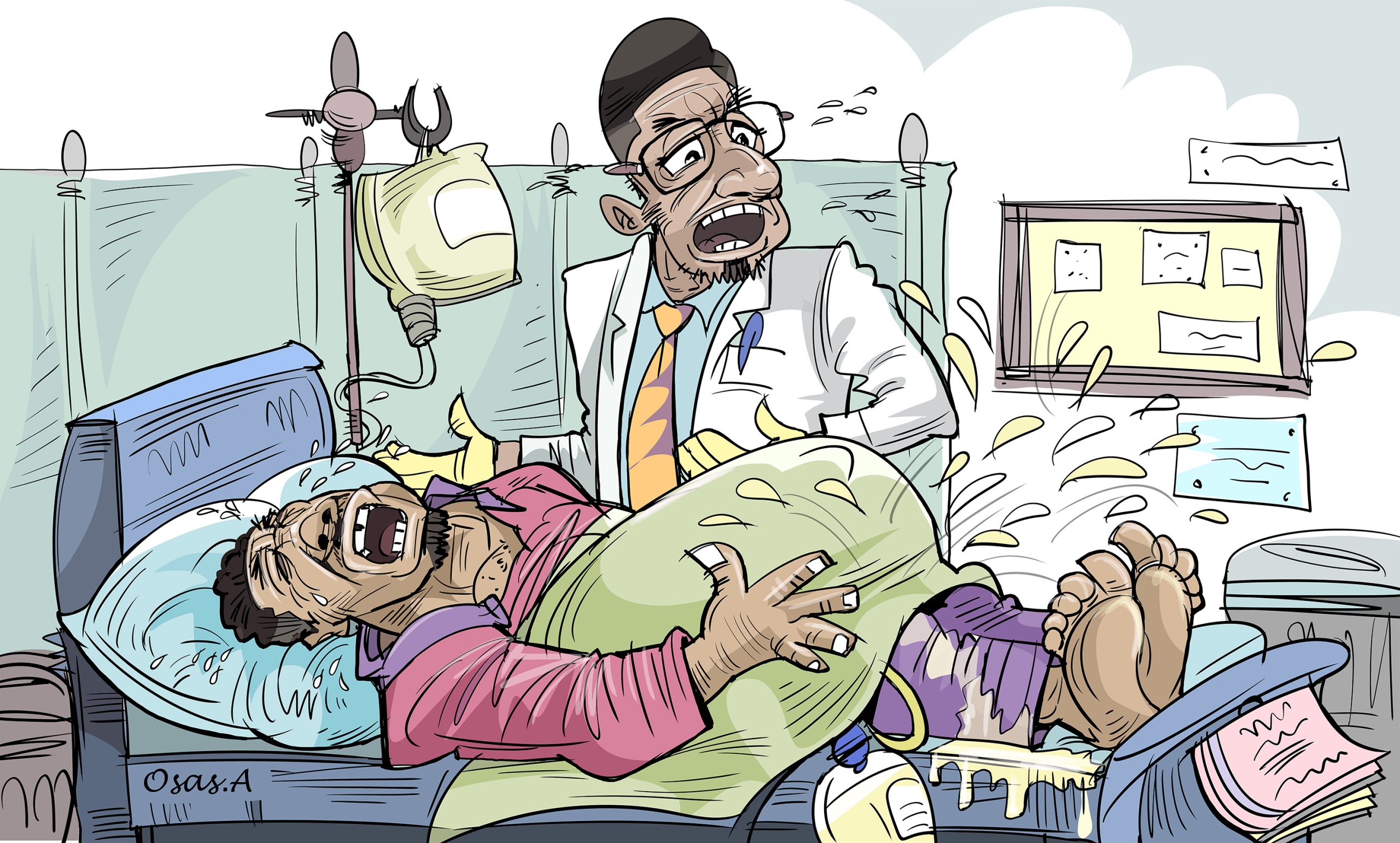
Lagos State government has said that it has concluded plans to phase-out firewood fueled bakeries as they pose air and health risk as well as negative environmental and climate change impact.
Fire-wood bakeries are commercial bakeries that use wood as the primary fuel to heat their ovens, usually traditional large masonry or brick ovens, instead of modern energy sources like electricity or gas.
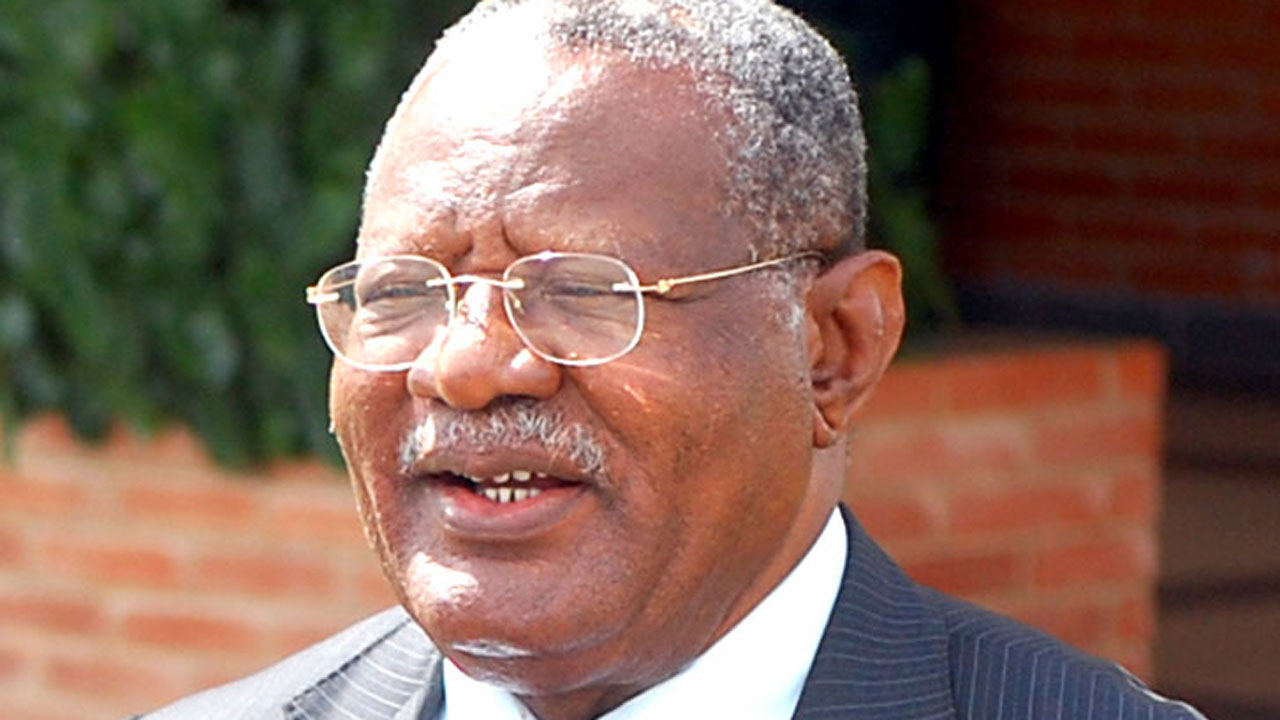
The General Manager of Lagos State Environmental Protection Agency (LASEPA), Dr Babatunde Ajayi, who disclosed this, stated that the agency has already map out its strategy around this which was why it recently organized capacity-building programmes of bakery owners, especially those still using firewood in its operations.
He revealed that the state government will be financing the pilot project of the first set of firewood bakeries that will transiting to gas powered bakeries so that others could emulate them.
Ajayi stated that the goal is to address health and environmental pollution, fire hazards and sanitation risks associated with bakeries using firewood in its operations.
Providing insight about the enforcement activities of LASEPA in 2025, he said that 244 facilities were sealed across Lagos State for various environmental infractions with noise pollution being the highest violations. He listed some of the affected facilities to include hotels, markets, eateries, warehouses, churches, mosques and households, maintaining that the efforts are geared towards protecting public health and the environment.
“During the year under review, LASEPA carried out 244 enforcement actions across households, markets, hotels, warehouses, service centres, churches and mosques to ensure compliance with state environmental laws,” he said.
According to him, over 200 hospitality facilities were monitired, including supermarkets, nightclubs and bakeries, with 180 abatement notices served on individuals and organisations guilty of discharging raw sewage into lagoons and engaging in other forms of land and water pollution.
Ajayi said enforcement efforts extended to industrial and chemical facilities, stressing that improved monitoring had “significantly reduced incidents of fire outbreaks and chemical spillages” in chemical markets. He mentioned a joint compliance operation at the Ojota Chemical Market with NESREA and environmental task forces as a key intervention.
According to him, the agency does not just focus on enforcement, it also engaged in community-focused initiatives, reason it installed two state-funded smokeless kiln machines at the Ago-Egun Ilaje fishing community in Bariga. “This intervention is designed to improve air quality, protect women’s health and boost economic productivity.”
On air quality management, Ajayi said LASEPA partnered local and international institutions to deploy low-cost air quality sensors across Lagos, providing real-time pollution data to guide policy and enforcement.
He said LASEPA releases air quality data weekly from the 114 air monitors installed across different parts of Lagos. He noted that the agency previously had fewer than 24 air monitors but hopes to have at least 200 installed across the state by the end of 2026. He added that 60 air monitors are already on the ground awaiting installation.
He also revealed that religious leaders and nightclub operators signed memoranda of understanding with the state under the Noiseless Lagos advocacy, aimed at curbing excessive noise. “Our goal is not punishment alone, but a cleaner, safer and healthier Lagos for all.”
Ajayi said the agency deliberately combined enforcement with education and support, noting that compliance improves when operators understand both the health and economic costs of environmental abuse.
“We are not just shutting down facilities; we are also helping operators comply,” he said, adding that “That is why we established a compliance desk to assist industries facing environmental regulation challenges and to provide practical solutions.”
He disclosed that LASEPA registered and accredited 153 e-waste and battery recyclers and collectors in 2025 as part of efforts to formalise the recycling sector and curb unsafe disposal practices.
On public health protection, Ajayi said the agency worked closely with the Lagos State Ministry of Health on water quality testing and sample analysis, a move aimed at early detection and prevention of cholera and other water-borne diseases.