 Follow Us on Google News



 Follow Us on Google Discover
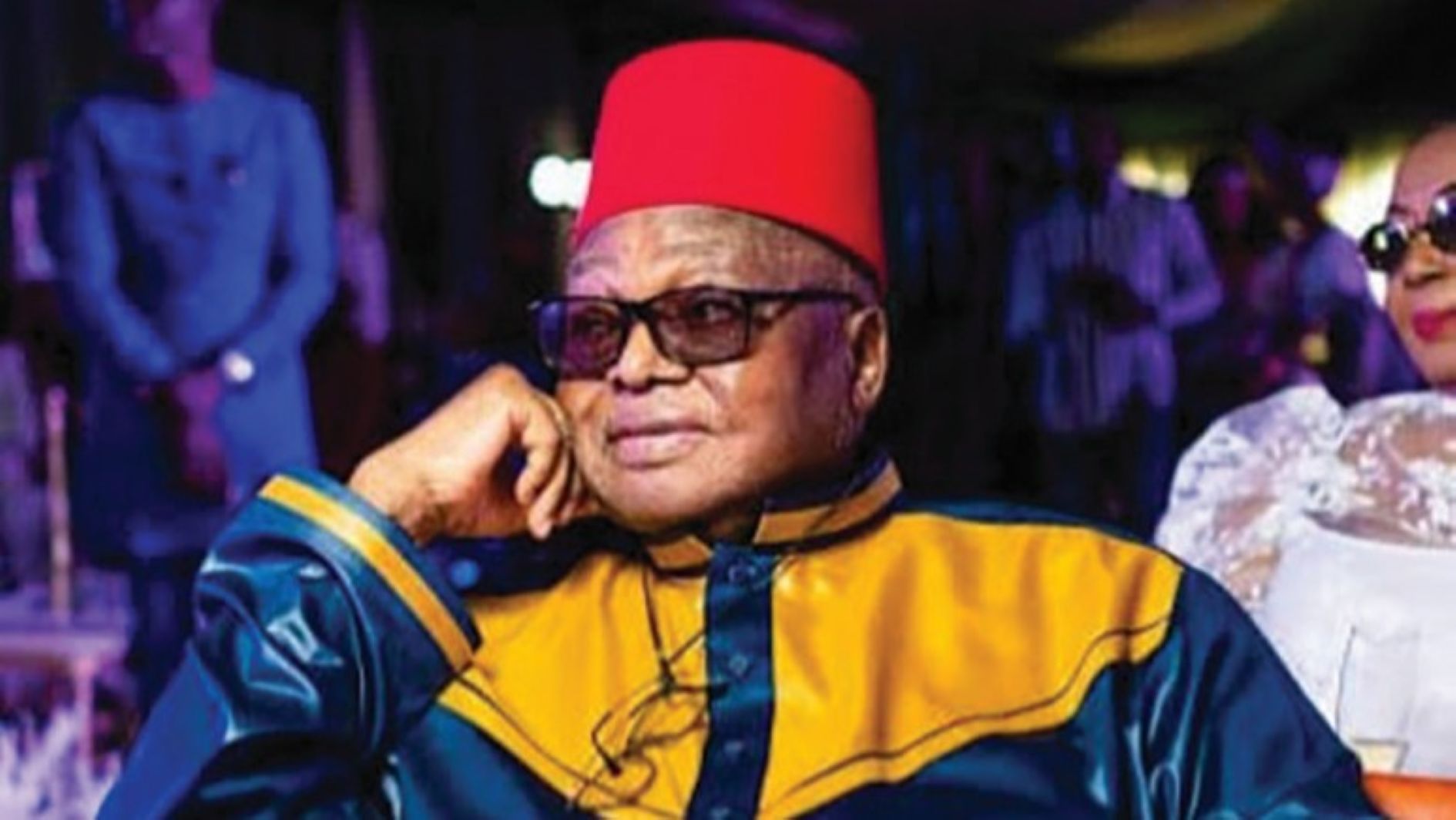
By Our Reporters
Nigeria continues to reel from the loss of one of its most enduring public intellectuals.
Ambassador Patrick Dele Cole, elder statesman, diplomat, historian and longtime consultant to The Guardian, died in London at the weekend after a brief illness aged 86.
His death has drawn an extraordinary outpouring of tributes from colleagues, diplomats, editors, scholars and friends. They remember a man of immense learning, sharp memory, generous spirit and uncommon courage; a man who believed that journalism, diplomacy and public service must all answer to truth.
Cole was Nigeria’s Ambassador to Brazil and Argentina. He was also a former Managing Director of the old Daily Times, an adviser on international relations, and a central figure in the intellectual formation of The Guardian.
Until three weeks before his death, he still attended the newspaper’s weekly Editorial Board meetings. He was its oldest and longest-serving consultant, having been associated with The Guardian since its founding in 1982.

A bridge builder of ideas and power
Cole occupied a rare space in Nigerian public life. He was equally at home in the university, the newsroom, the foreign service and the corridors of government. Yet he never treated ideas as mere decoration for power. For him, ideas were tools for building a better country.
His association with The Guardian most clearly expressed that belief. As a close friend and adviser to the newspaper’s founder, the late Alex Ibru, Cole helped shape the publication’s ambition to become one of Africa’s most serious newspapers.
Drawing on his experience at Daily Times, he encouraged the recruitment of the late Dr Stanley Macebuh as The Guardian’s executive editor and later its first managing director. Macebuh, in turn, brought in intellectual and academic associates who helped establish the robust editorial tradition for which the newspaper became known.
Cole’s contribution was not simply administrative. He helped define a philosophy: that a newspaper should be intellectually serious, historically informed, independent-minded and morally courageous.
He fused diplomacy and intellectualism into newspapering. He brought to editorial discussions the finesse of a diplomat, the depth of a scholar, the scepticism of a journalist and the conviction of a statesman.
The Guardian mourns a foundational voice
Chairman and Publisher of The Guardian, Lady Maiden Ibru, received the news of Cole’s death as “a big shock”, noting that “he sits next to me (on the editorial board). He looked good and well and contributed to our Editorial Board meeting. May he travel well.”
She recalled that Cole, a product of Cambridge University, “was highly cerebral and a godfather to my son Toke… In all things we must give thanks.” She prayed for the repose of his soul: “You now rest in the bosom of God that created you. Shalom.”
Her tribute reflected both the institutional and personal dimensions of Cole’s life. To The Guardian, he was a consultant, adviser and editorial conscience. To many individuals, he was a mentor, godfather, friend and benefactor.
The first editor and former Managing Director of The Guardian, Mr Lade Bonuola, reacted to the death with the disbelief of a man losing a longtime colleague and friend.
“When the news first came to me in a flash early today and in less than a split second it was taken down, I knew some relief believing it was a cruel hoax. As it has now turned out with confirmation of the exit several hours later, it means I was in a dream world wishing that the devastating exit did not happen after all.
“Hymmm! I knew he was travelling to London, but there was nothing to trigger my suspicion that he would breathe his last there.
“A colossus has departed our midst. Think of his majestic carriage, his robustness of thoughts, the profundity of ideas and the delivery which made him a delight and a teacher—to listen to in a debate and in intellectual exchanges.
“Oga, now I humbly address you: Do not look back. Turn your gaze upwards to On-High.
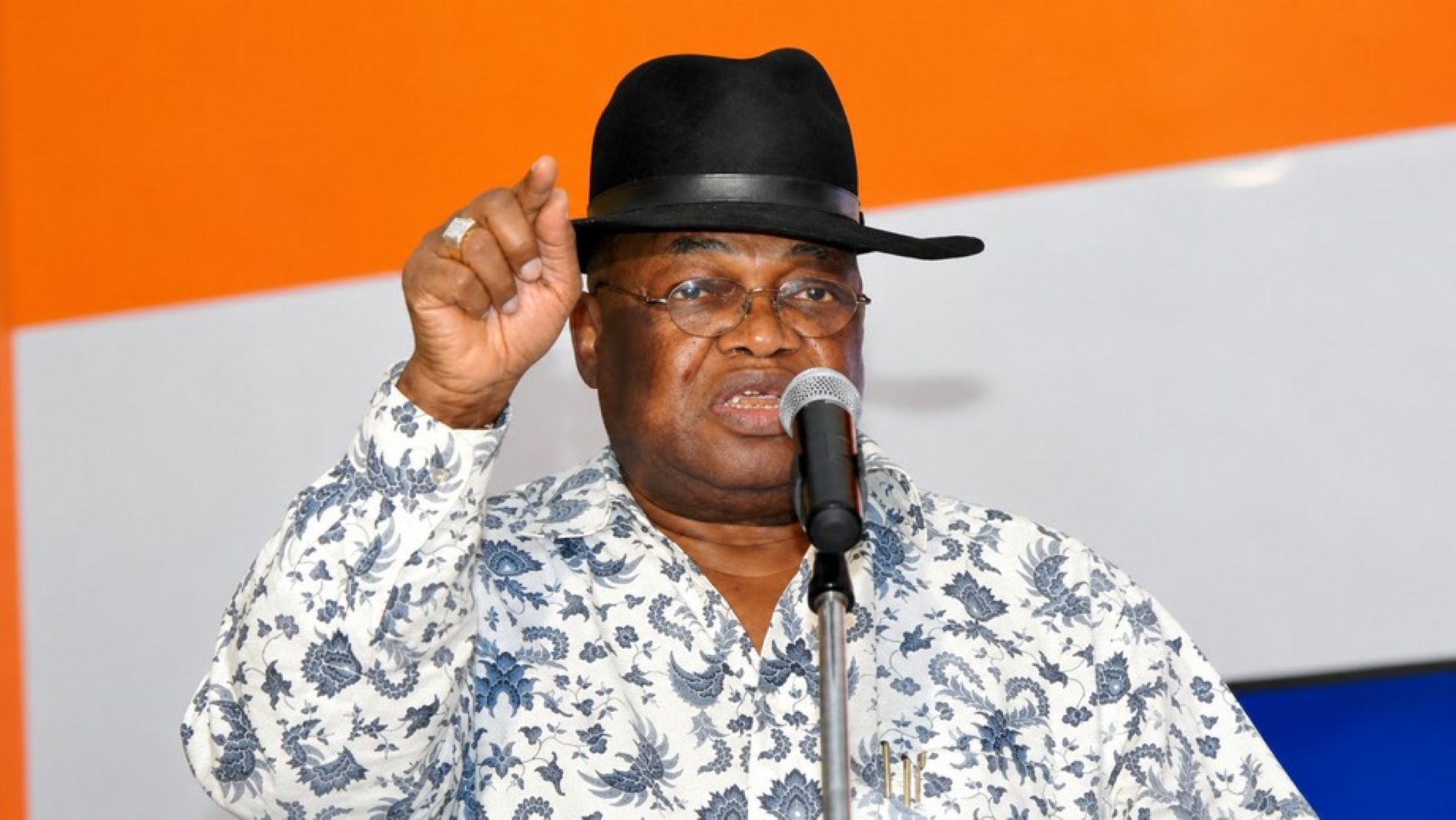
“I send my loving and prayerful thoughts that he may receive help and his path be blessed in the Grace of the Lord’s Omnipotence.”
Bonuola’s words capture the qualities that made Cole unforgettable in conversation: his commanding presence, depth of thought, eloquence and ability to teach through debate.
An institution in journalism
Former Managing Director/Editor-in-Chief of The Guardian, Mr Emeka Eluem Izeze, described Cole as “an institution” who, though not originally a media person, wielded great influence and power in the media industry.
Izeze recalled that the late Cole set a tone for the media and, as MD of Daily Times, went all over the world in search of intellectuals drawn from professions other than the media, bringing intellect to Daily Times, later replicated in The Guardian through Dr Macebuh, whom he brought from the United States.
As a friend and adviser of the late Alex Ibru, Cole had a great influence on what later became The Guardian and in pursuit of Ibru’s aspiration to make the newspaper one of the very best in Africa and the world. Recalling Cole’s wide experiences in diplomacy, politics—he once ran for the presidency—and in academia, Izeze noted that Cole’s influence on The Guardian was “mind-boggling” and a “marvel”.
“He was a humanist to the core, philanthropic and very kind, considerate and very happy when a friend or junior colleague was making progress professionally or academically,” Izeze said.
“He was a wonderful man who kept his sense of reason even under the most provocative circumstances.”
That last quality—reason under provocation—was central to Cole’s character. In editorial meetings, where opinions could be forceful and disagreements sharp, he brought calm, rigour and perspective. He could challenge an argument firmly without diminishing the person making it.
Former Chairman of the Editorial Board, Professor G.G. Darah, said: “Dr Dele Cole’s death strikes a major blow at The Guardian’s heritage of courage and excellence.”
It was a fitting summary of Cole’s contribution. His courage was not noise; it was the refusal to abandon truth for convenience. His excellence was not showmanship; it was the discipline of thought, evidence and moral clarity.
Former Managing Director/Editor-in-Chief of The Guardian, Mr Martins Oloja, described Ambassador Cole as a good man. “He had a heart of gold. A man who was always hungry for knowledge of the world system. Always with a bag of books! His originality, unquestionable till the end. Announcing his passing is like breaking the news of a burning library. It is quite hard to say ‘Goodbye’, Sir.
“We will celebrate your good life. We won’t forget what you always told us to be as journalists: You told us to always be cynical and fastidious in our inquiries. You always enjoined us to question the actions and attitude of those in authority at editorial board deliberations… You bought for many of us a book titled “Thieves of State” so that we could deconstruct the profile of leaders who come to power just to enrich themselves. Awww! Sir, really hard to say goodbye!”
Editor of The Guardian, Dr Femi Adekoya, recalled the Ambassador’s wish to ensure that a national value system is upheld by organising essays to encourage younger Nigerians to debate a value system worthy of emulation to bring about desired change in society.
“He was never shy of telling the truth to everyone around him and constantly talked about how to improve The Guardian, its social impact, especially from the point of view of editorials. He was a good man from whom we learnt so much. We’ll miss decades of experience shared with us to make our editorials richer. Good night, Ambassador.”
A man of history and memory
Cole’s diplomatic career gave him a distinctive understanding of Nigeria’s place in the world. He served as Ambassador to Brazil and Argentina, and later advised on international relations at the highest levels of government.
But he remained, above all, a student and custodian of history. In editorial debates, he could place present crises within longer national and global patterns. He remembered precedents, mistakes, promises and turning points that others might overlook.
Former Minister of External Affairs and member of The Guardian Editorial Board, Professor Bolaji Akinyemi, eulogised his friend and associate of 51 years.
“The news of the death of the Ambassador, Dr Dele Cole, struck me like thunder.
“I first met him in 1975 when I transferred from the University of Ibadan to the Nigerian Institute of International Affairs. He walked into my office and invited me to lunch by just saying, ‘I was your elder brother’s classmate at the Ibadan Grammar School; let us go for lunch.’ Thus started 51 years of relationship and friendship between Ambassador Cole and me.
“This relationship saw him piloting me through the NIIA (Nigerian Institute of International Affairs) and saw me appointing him as Ambassador to Brazil.
“We both ended up as members of the editorial board of The Guardian Newspapers. The Wednesday meeting was the highlight of my week. Ambassador Cole was the remembrance of the history of Nigeria. He remembered so much and we will remember him. “Rest well.”
Akinyemi’s tribute presents Cole as a connector of people, institutions and generations. A friendship that began with a simple lunch invitation grew into five decades of shared work in scholarship, diplomacy and journalism.
It also highlights Cole’s extraordinary memory. He was, in Akinyemi’s words, “the remembrance of the history of Nigeria.” That historical consciousness made his contributions to public debate especially valuable. He did not see issues in isolation; he saw them as part of a continuing national story.
The man who gave the last word
Within The Guardian’s Editorial Board, Cole’s experience and judgement often earned him the final word in discussions. It was not merely a mark of seniority. It reflected confidence in his ability to weigh competing views and return the conversation to first principles.
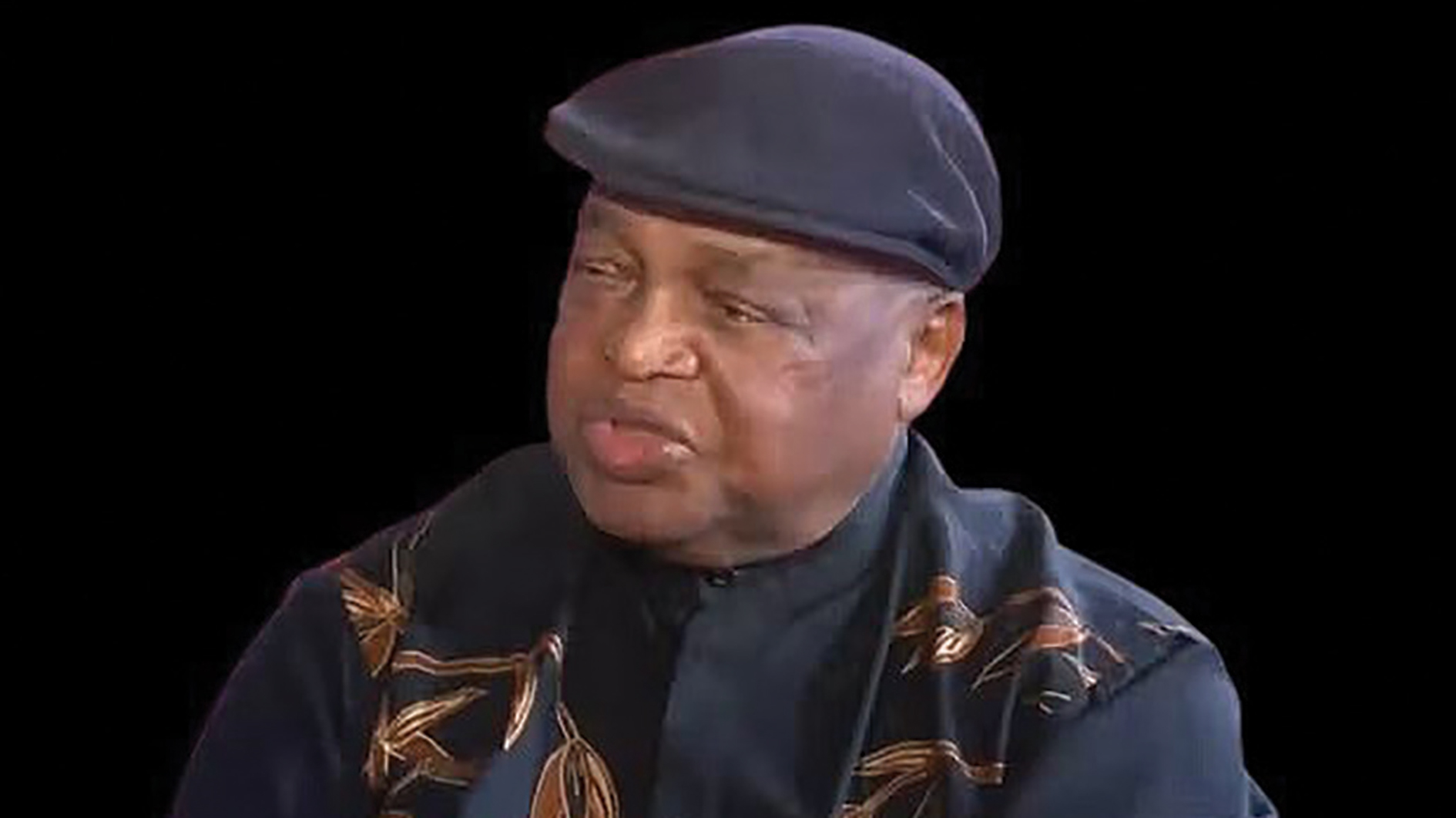
Former editor of The Guardian, Alabi Williams, who is also on the editorial board, noted: “Ambassador Patrick Dele Cole (PDC), very often, was offered the last say on The Guardian Editorial Board. That’s a testament to a robust wealth of experience traversing the Media, Diplomacy and Public Service.
“Chairman of the Board, Prof. Wale Omole, would ask the Ambassador to cap a discourse. And he did so eloquently and meticulously.
“PDC was measured; he took his time. But he didn’t abdicate the task we set for ourselves—healing an open wound with truth. His deliveries were scholarly and always memorable.
“On a social level, he made sure that we were lavishly ‘spoilt’ on his birthdays. Always a delight. “You will be missed, Sir.”
Williams’s phrase—“healing an open wound with truth”—may be the clearest expression of Cole’s editorial philosophy. He did not regard truth as a weapon for sensationalism. He saw it as medicine: sometimes painful, but necessary for national healing.
His interventions were scholarly, yet never detached from Nigeria’s realities. He combined intellectual depth with practical concern for governance, justice and the welfare of citizens.
Mentor, friend, humanist
Beyond his public achievements, Cole was remembered for his generosity. He celebrated the progress of younger colleagues, supported friends and used his influence quietly to open doors.
Editorial Page Editor of The Guardian, Mr Kunle Sanyaolu, noted: “Having survived the untimely death of his dear wife for three years, Dr Cole appeared larger than life. One can then imagine the shock of the announcement of his death, even at 86. For all that he represented, the Ambassador has left a void that will be difficult to fill. He was an historian, intellectual, writer, statesman, politician, thinker, journalist, administrator and humanist rolled into one. Dr Cole managed to impact everyone who came his way with his whole being, and in a way that made a huge difference to the people. All of us will miss him for these qualities and more, including his immense sense of humour. May he rest in peace.”
Sanyaolu’s description captures the breadth of Cole’s life. He was not easily confined to one title. Historian, diplomat, journalist, administrator, politician and humanist: each description was true, yet none was sufficient on its own.
A member of the board, Professor Ndubisi Nwokoma, described Cole’s death as a big shock, noting that he had been “a great pillar of intellect, knowledge and accommodation to the Editorial Board.”
“The first time I met you at the Board meeting, not long after I was invited to join the Board, I was fascinated by your depth of knowledge and in-depth analysis of issues from many perspectives such that I found it difficult to fault your conclusion on the issue at hand. That has been one of the strengths of the Editorial Board of The Guardian in being able to evaluate critical national and global issues and proffer solutions and practicable advice to government and other concerned entities.
“I always delight in hearing from you when you engage on every issue and I guess that applies to other members of the Board. I can recall your friendliness and joviality when I request, during Board discussions, to add (or chip in) some perspectives to issues that you jokingly refer to me as ‘Mr Chip in’, and we all laugh.
“It is so sad to know that we will not have the privilege of having you around anymore. This is a big loss to us all on the Board. Rest in peace, Ambassador. I pray that God will grant us all, especially members of your immediate family, the fortitude to bear this irreparable loss.”
Other members of The Guardian’s editorial family also mourned a man they regarded as irreplaceable.
Dr Kabir Alabi Garba, Editor of Weekend Guardian, described the death as “the exit of a titan!” Mrs Eki Durojaiye, Legal Adviser, said: “What a great loss! You will be sorely missed, Ambassador. Farewell, Your Excellency.”
Professor Sylvester Odion-Akhaine said: “An Iroko has fallen. May his soul rest in the bosom of our Lord.” Francis Abayomi said: “A rare gem has departed. May the soul of the Ambassador rest in peace.”
Francis Onaiyekan wrote: “Haaaa! Ìgí nlá wó!! Ẹ́já nlá lọ l’ómí!!! (The big tree has fallen; the big fish has departed the water!)
“There goes Dr Cole, intensely intellectual, my big ‘oga’, my kindred spirit, above all, one helluva good man.
“When come such another? Ọ̀rún ré o.”
Deputy Editor, Dr Wole Oyebade, added: “The ambassador has gone to join the collective soul stuff of the universe, the world of the living dead, the ancestors. He was truly a legend here. Dr Cole was there for The Guardian from the beginning until he breathed his last. His regular presence and brilliant perspectives at the weekly editorial board meeting were the stuff of legends, typical of the most eloquent of men.
“A towering figure in courage and finesse, he was never shy about reminding the media of its role as a moral bully pulpit in the state. Indeed, most men are born; some are made. Dr Cole straddles the two.
“Thank you for the gift of you, Ambassador. It was really a pleasure while it lasted. My condolences to the family and The Guardian Editorial Board.”
Oyebade’s tribute returns to the idea that defined Cole’s view of journalism: the media as “a moral bully pulpit in the state.” For Cole, journalism was not merely a business or a route to influence. It was a public trust, obliged to defend accountability, justice and the common good.
A legacy that endures
Patrick Dele Cole’s passing removes from Nigeria’s public life a rare combination of diplomat, journalist, scholar, administrator and moral voice. But his legacy remains embedded in the institutions he helped shape.
At Daily Times, he worked to broaden Nigerian journalism by bringing intellectual rigour into the newsroom. At The Guardian, he helped build an editorial culture grounded in courage, scholarship and independence. In diplomacy, he represented Nigeria with the seriousness of a man who understood that national reputation is built through competence, principle and integrity.
He also leaves a deeply personal legacy: friendships that lasted for decades, younger professionals he encouraged, and colleagues who remember not only his brilliance but his kindness.
Nigeria has lost an elder statesman. The Guardian has lost its longest-serving consultant and one of its foundational intellectual voices. The diplomatic community has lost a seasoned representative of the country. But perhaps the greatest loss is to a public culture that urgently needs people who can be firm with truth.
Cole was firm because he was prepared. He was courageous because he understood history. And he was humane because achievement never hardened him into arrogance.
As the tributes make clear, an Iroko has fallen. Yet the values he planted—intellectual courage, editorial independence, public service and fidelity to truth—will continue to speak.

