 Follow Us on Google News
 Follow Us on Google Discover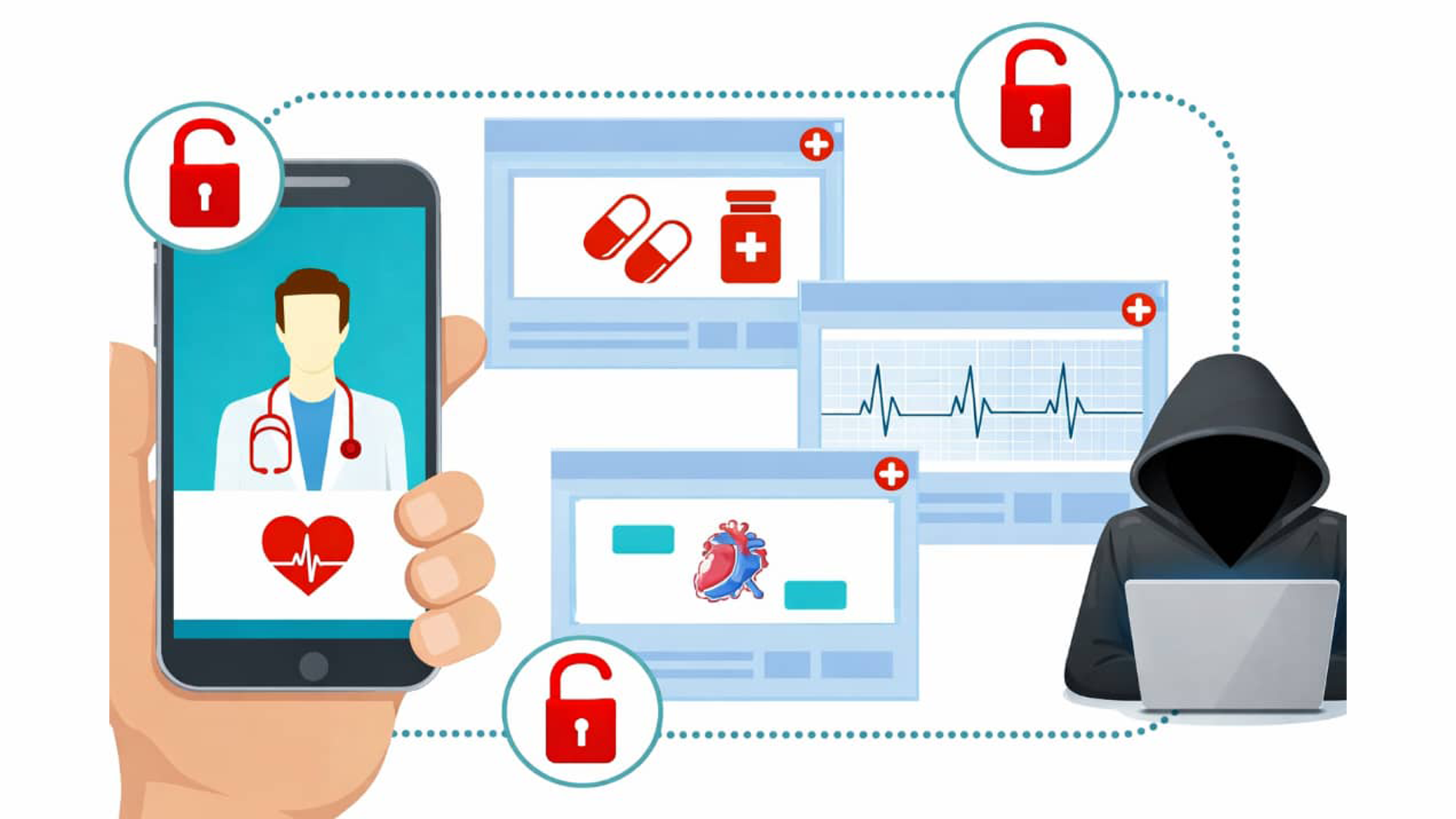
Microsoft has raised concerns about cyber attacks on the global health sector.
The American company noted that Africa’s healthcare sector is facing a silent emergency. It stressed that many healthcare operators, facilities and doctors across Africa already grapple with the challenges of under-resourced environments, an uneven distribution of resources and massive demand for services.
However, it said now healthcare administrators must turn their attention to a relatively new and extremely urgent concern. It said while doctors fight to save lives, cybercriminals are infiltrating hospitals, laboratories, and clinics, turning life-saving environments into digital battlegrounds.
Microsoft Chief Security Advisor, Africa, Kerissa Varma, in an article titled “Healthcare under attack: why cybersecurity is now critical care,” said the menace has become a growing epidemic.
Varma said World Health Organisation Director-General, Tedros Adhanom Ghebreyesus, had noted that the digital transformation of healthcare, combined with the high value of health data, has made the sector a prime target for cybercriminals.
According to Varma, Ghebreyesus commented: “At best, these attacks cause disruption and financial loss. At worst, they undermine trust in the health systems on which people depend, and even cause patient harm and death.”

The article revealed that recent attacks have exposed the fragility of Africa’s medical infrastructure. It noted that in May 2025, Mediclinic Southern Africa was hit by a cyber extortion attack, compromising sensitive HR data. Later in 2025, Lancet Laboratories faced a regulatory penalty for failing to notify patients about data breaches under South Africa’s POPIA law, while a ransomware strike on the National Health Laboratory Service disrupted blood test processing nationwide, delaying critical care for millions.
Further, the article said M-Tiba, a Kenyan digital health platform managed by CarePay and backed by Safaricom, suffered a significant cyberattack and data breach in late 2025, while earlier this year, Pharmacie.ma, a Moroccan pharmaceutical platform, was reportedly the target of an alleged data leak incident that allegedly involved the unauthorised export of a customer database.
And recent research indicated that Nigeria’s private healthcare sector is now one of the most targeted on the African continent, with attacks increasing at an alarming rate.
According to it, many incidents also go unreported, as hospitals and healthcare facilities rarely disclose them publicly, yet these incidents are not isolated, with ransomware dominating the threat landscape.
“Africa’s healthcare sector is heavily targeted by cybercriminals, with healthcare organisations facing an average of 3,575 weekly attacks in 2025, a 38 per cent surge from the previous year, with encryption of patient data, temporary loss of access to hospital systems and the risk of data appearing on the dark web cited as potential impacts,” Varma stated.
On why the sector is under attack, the Microsoft Africa CSA said the healthcare industry in Africa, particularly in the public sector, is working with legacy systems, fragmented infrastructure, and underfunded IT teams, all of which combine to make the sector an easy target for unscrupulous bad actors.
According to her, many medical institutions are adopting open-source AI tools for diagnostics and patient management. While cost-effective, she said these platforms often lack enterprise-grade security, leaving sensitive data exposed. She added that, combined with fragmented storage of paper and electronic patient records – often unencrypted and scattered across multiple systems – the risk of breaches multiplies.
Speaking on how healthcare can use modern technology safely, Varma noted that as Africa’s healthcare systems digitise and embrace AI, protecting the digital lifeline must become as critical as protecting the physical one.
To secure healthcare organisations and facilities like laboratories and diagnostic services’ systems in the region, Varma recommended including cybersecurity in the firm’s resilience planning; preparing for AI-driven attacks that are going to increase attack speed and success; remote and wider access to patient records requires strong identity practices, and investing in people and skills.
According to her, while medical professionals and healthcare facilities often prioritise the resilience of physical capabilities, power backups, multiple devices should equipment fail, and a standby roster in the event of a practitioner being unavailable are all practices that save lives. She said equally, cybersecurity and safeguarding online systems need to be built into the overall resilience planning of medical facilities and services.

