

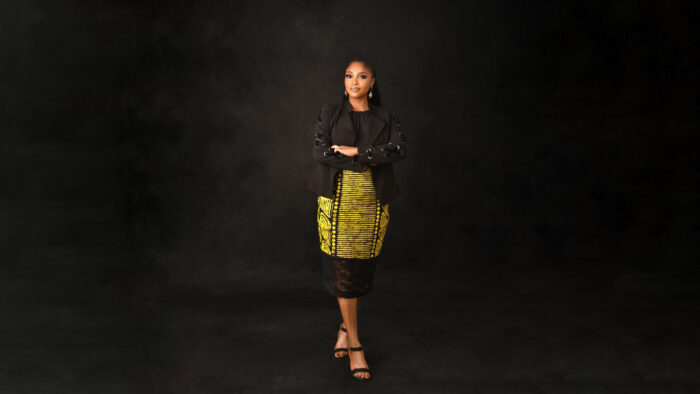
By ‘Tale Alimi
We live in an economic landscape where female ambition is routinely celebrated in speeches, yet quietly constrained by invisible cultural and relational expectations. Across our continent, countless women over-deliver, build sustainable ventures, and demonstrate exceptional resilience, yet their business scale and financial balance sheets rarely reflect their true operational capability.
They are exhausted, overburdened by competing obligations, and continually seeking the breakthrough that will elevate their enterprises. But the missing key is rarely a lack of tactical business acumen or work ethic; it is a deeper, structural requirement to stop seeking external validation and claim full economic sovereignty.
Hillary Clinton famously captured the essence of female economic empowerment when she noted that when women participate fully in the economy and earn more, it is never just an individual victory; entire families rise, communities are permanently transformed, and multiple generations benefit. Macroeconomic data and empirical studies consistently reinforce this reality: female economic participation is the single most powerful catalyst for sustainable societal transformation.
When a woman commands her full economic authority, she fundamentally alters the financial trajectory of her household and community. Yet, we cannot speak about building generational wealth while ignoring the systemic and relational barricades that compel contemporary women to keep their ambitions small.
Traditional business development advice operates under a flawed assumption: that a woman’s entrepreneurial decisions exist in an isolated, frictionless vacuum. Research on women’s entrepreneurship in Nigeria reveals that a female founder’s growth trajectory is deeply entangled with extended kinship systems, spousal gatekeeping, and gendered community expectations. Unlike their male counterparts, women must continuously engage in negotiated agency; relationally securing permission and legitimacy to travel for supplies, attend late-stage business development trainings, or access critical market spaces. Furthermore, heavy kinship entitlements create invisible drains on their liquidity, compelling women to navigate moral claims that are culturally expected yet economically burdensome.

This complex web of expectations fosters a subtle but pervasive trap: waiting for permission. Women wait for spousal approval, extended family consensus, or societal validation before making bold commercial expansions, setting firm boundaries, or pricing their expertise at true market value. But waiting for permission is an extraordinarily expensive strategy that costs female founders vital market share, operational momentum, and ultimate financial autonomy. It forces high-achieving women to pay an invisible surcharge, shrinking their business footprint to maintain relational harmony and avoid being perceived as difficult or unyielding.
To dismantle this pattern, we must realize that true economic liberation requires shifting from seeking validation to exercising unapologetic agency. Setting clear financial boundaries with extended family, securing unhindered mobility for strategic opportunities, and reinvesting capital into business scale are not selfish acts; they are fundamental economic duties necessary for venture survival and growth.
When women audit these relational dynamics and deploy structured negotiation strategies, they break free from historical constraints and accelerate their businesses from modest operations into high-impact, scalable enterprises.
The path to building lasting wealth and authority begins the exact moment you decide that your vision and commercial agency do not require anyone else’s vote of approval. It is time to stop shrinking your business to fit traditional comfort zones, stop apologizing for your scale, and fully step into your economic power.
To help you begin this transformation, I invite you to download a free chapter of my book, The Female Fortune: Rewrite the Rules of Money & Power, where we explore the actionable strategies needed to break through systemic barriers, reframe your money mindset, and build sustainable economic authority at https://talealimi.com/female-fortune-free-chapter/.
