 Follow Us on Google News
 Follow Us on Google Discover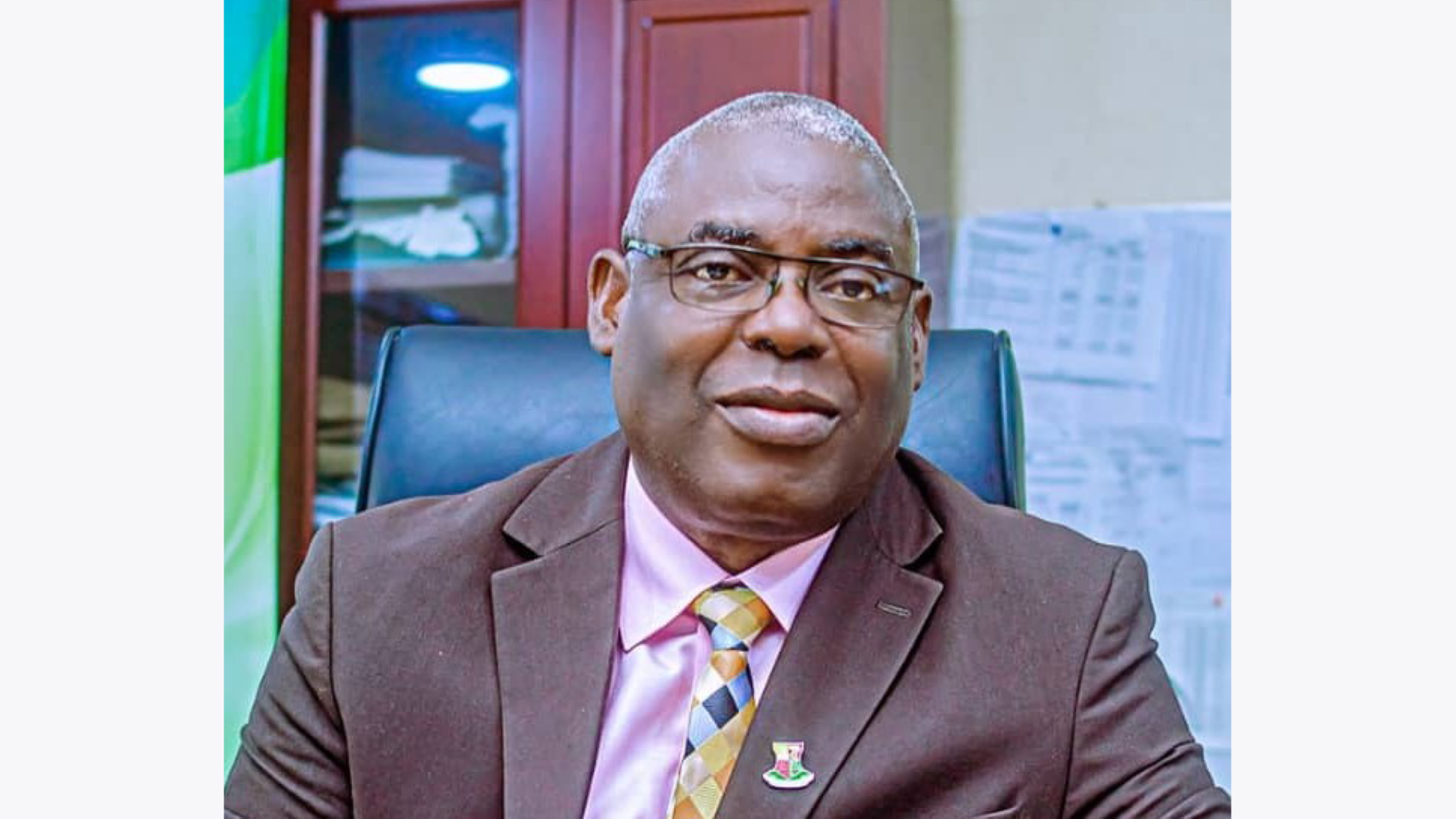
Pioneer Vice-Chancellor of Emmanuel Alayande University of Education, Oyo Town, Prof. Olanrewaju Olaniyan, in this interview with ROTIMI AGBOLUAJE, says Nigeria’s education crisis is no longer about policy formulation but implementation. The Professor of Economics and First Class graduate at the University of Ibadan also shares his thoughts on the country’s out-of-school children challenge, insecurity, teacher education, digital learning, the impact of the Nigerian Education Loan Fund (NELFund) and the reforms needed to reposition the education sector.
With about 20 million children not in school, Nigeria is estimated to have one of the highest numbers of out-of-school children in the world. Why has the problem persisted despite years of intervention?
The first reason is poverty. Many parents simply do not have the financial capacity to keep their children in school. When families struggle to meet basic needs such as feeding, housing and healthcare, education often becomes secondary. In some cases, children are withdrawn from school to support family income through trading, farming or other economic activities.
The second factor is insecurity. Across several parts of the country, schools have become vulnerable to attacks, kidnappings and other forms of violence. Once communities perceive schools as unsafe, parents naturally become reluctant to send their children there. We have seen situations where entire schools were shut down because of security threats.
The third issue is weak policy implementation. Nigeria already has laws and policies designed to guarantee access to education. The Universal Basic Education (UBE) Act, for example, provides for free and compulsory education and even prescribes penalties for parents who fail to send their children to school. Yet I am not aware of any significant enforcement of those provisions. The problem is that we often focus on policy formulation without paying equal attention to implementation. We have many good policies in this country, but implementation remains weak. If we consistently enforce existing laws, we would begin to see meaningful improvements.
That said, I believe some of the figures being quoted about out-of-school children require closer scrutiny. I participated in research on the issue and found that the figure might be lower than what is being bandied around. Nevertheless, whether the figure is 10 million or 20 million, the reality is that too many Nigerian children are outside the classroom. That should concern everyone.

What do you consider the greatest threat to education in Nigeria today?
Without doubt, it’s insecurity. No education system can thrive in an atmosphere of fear. When students are kidnapped, teachers attacked or schools forced to close, learning is disrupted. Parents become afraid, teachers become demoralised and students lose confidence in the system. Insecurity affects every aspect of education. It affects enrolment because parents are reluctant to send their children to school. It affects retention because students may discontinue their studies. It affects staffing because teachers are unwilling to accept postings to unsafe areas. If we significantly reduce insecurity, many educational challenges will become easier to solve. Investments in infrastructure, curriculum reform and teacher development can only yield maximum results when schools operate in safe environments.
Let us talk about the Nigerian Education Loan Fund (NELFund). What impact does it have?
NELFund is one of the best interventions in the education sector in recent years because it is helping to expand access to higher education. Many students who would otherwise have dropped out because they could not pay tuition fees are remaining in school because of the scheme. For institutions like ours, it has also improved student retention. What makes the programme particularly attractive is its repayment structure. Beneficiaries are not required to begin repayment until they secure employment. That removes much of the anxiety associated with educational loans.
The scheme is therefore serving two important purposes. First, it is supporting students who face financial challenges. Second, it is helping institutions maintain enrolment and recover fees that might otherwise remain unpaid. If properly managed and sustained, NELFund can become a major instrument for democratising access to higher education in Nigeria.
There are concerns about rising tuition fees across tertiary institutions. Are those concerns justified?
The concerns are understandable because families are under enormous economic pressure. However, we must also consider the realities facing institutions. Quality education is expensive to provide. Universities require laboratories, libraries, ICT facilities, classrooms, power supply, internet connectivity and qualified personnel. When you compare what institutions spend on training students with what students actually pay, you will realise that higher education in Nigeria remains heavily subsidised.
Many compare current fees with what they paid years ago without considering inflation and the rising cost of operations. Universities cannot provide quality education without adequate funding.
The challenge is therefore finding a balance between affordability and sustainability. That is why support mechanisms such as scholarships, grants and student loans are important.
Some argue that the quality of teacher education is declining. Do you agree?
The issue is more complex than many people assume. The quality of teacher education can’t be separated from the quality of the broader education system. Universities receive students from secondary schools, which in turn receive pupils from primary schools. Weaknesses at one level inevitably affect the next. People often focus criticism on tertiary institutions, but the reality is that educational quality is cumulative.
I also believe the narrative that Nigerian education has completely lost quality is exaggerated. We continue to see Nigerian graduates excel internationally. Many are admitted into competitive postgraduate programmes abroad and perform exceptionally. Also, countries such as the United States, the United Kingdom, South Africa, Canada and others continue to recruit Nigerian-trained teachers and professionals. If our graduates were not adequately trained, those opportunities would not exist. This does not mean there is no room for improvement. There certainly is, but we should avoid the temptation of dismissing everything about our educational system as inadequate.
What can be done to improve teacher quality?
The first priority is continuous professional development. Unlike doctors, accountants and lawyers who are required to update their knowledge regularly, many teachers stop formal professional development after graduation. That is a major weakness.
Education is dynamic. Teaching methods evolve and technology changes. Student behaviour changes. Teachers must, therefore, continue learning throughout their careers.
The second priority is strengthening teaching practice programmes. Practical classroom experience remains one of the most important aspects of teacher preparation. Student-teachers should spend adequate time in schools under proper supervision.
The third priority is improving access to quality instructional materials. Teachers need current textbooks, teaching aids and digital resources to perform effectively. We must also improve teacher welfare. When teachers are poorly remunerated, it becomes difficult to attract and retain talented individuals in the profession.
How should Nigeria prepare teachers for the demands of the 21st-century classroom?
The world has changed significantly. Today’s learners are digital natives. Many students interact with technology from an early age and access information through digital platforms. Therefore, teachers must be prepared to operate effectively in that environment. At Emmanuel Alayande University of Education, we are investing heavily in ICT infrastructure. We encourage lecturers to digitise teaching materials and make them accessible online. Students can access course content through electronic devices rather than depending entirely on printed materials. Technology should not replace teachers but it should enhance teaching and learning. The teacher of the future must combine subject knowledge, pedagogical competence and digital literacy.
You have spent three years as pioneer Vice-Chancellor of Emmanuel Alayande University of Education. How would you assess the journey?
The journey has been challenging but highly rewarding. When I assumed office, the institution had just transitioned from a College of Education to a university. There was uncertainty among staff and stakeholders regarding what the future would hold. One of our first priorities was staff transformation. We successfully conducted the redesignation of both academic and non-academic staff from College of Education cadres to university cadres. We also secured approval from the National Universities Commission (NUC) for 50 academic programmes. Today, 49 of those programmes are running successfully. After accreditation, 44 programmes received full accreditation while five obtained interim accreditation.
Student enrolment has grown steadily. We admitted more than 2,600 students in our first year, over 3,000 in the second year and more than 3,000 in the third year. Today, we have about 8,700 students and expect the figure to exceed 12,000 when our pioneer set enters the final year. For a university that is only three years old, I consider that significant progress.
What would you consider your most significant achievements?
First is the successful establishment and accreditation of academic programmes. Second is student enrolment growth. Third is industrial harmony. Before the university was established, the institution experienced recurring disruptions. In the last three years, we have not recorded any major student unrest, staff unrest or closure. We achieved this through communication, transparency and stakeholder engagement. Staff and students are encouraged to express their concerns and we address issues promptly.
Infrastructure development is another area of achievement. Roads have been rehabilitated, buildings renovated, streetlights installed and a modern health centre constructed.
Perhaps the most important achievement is that the university is growing steadily while maintaining stability.
What distinguishes Emmanuel Alayande University of Education from other universities?
Established in 1953, the institution remains one of Nigeria’s oldest teacher-training institutions. That history places a unique responsibility on us. Our mission is to produce teachers who are globally competitive and locally relevant. Our greatest strength is our heritage. We are not merely awarding degrees; we are training educators who will shape future generations and contribute to national development. That identity defines everything we do.
If you had the opportunity to recommend three major reforms to President Bola Tinubu, what would they be?
The first would be mandatory continuous professional development for teachers. The second would be digital transformation of education. Every teacher should have access to digital tools and possess the skills required to use them effectively. The third would be infrastructure renewal. Many schools across the country require substantial upgrades. Classrooms, laboratories, libraries and learning facilities must be improved. These three reforms would significantly improve educational outcomes.
What are your final thoughts on improving education in Nigeria?
One important development is the policy that allows holders of the Nigeria Certificate in Education (NCE) to progress seamlessly into degree programmes. That policy is helping to revitalise teacher education at a time when enrolment into NCE programmes has been declining. We must also ensure that teaching remains a professionalised occupation. Individuals who wish to teach should obtain the necessary certification through the Teachers Registration Council of Nigeria (TRCN).
Teaching is a profession, not a fallback option. On the whole, Nigeria’s future depends on the quality of its education system and no education system can rise above the quality of its teachers. If we invest in teachers, enforce existing policies, strengthen security and embrace innovation, we can build an education system capable of driving national development and competing with the best in the world.

