GDN SIDEBAR
1. No Longer at Ease
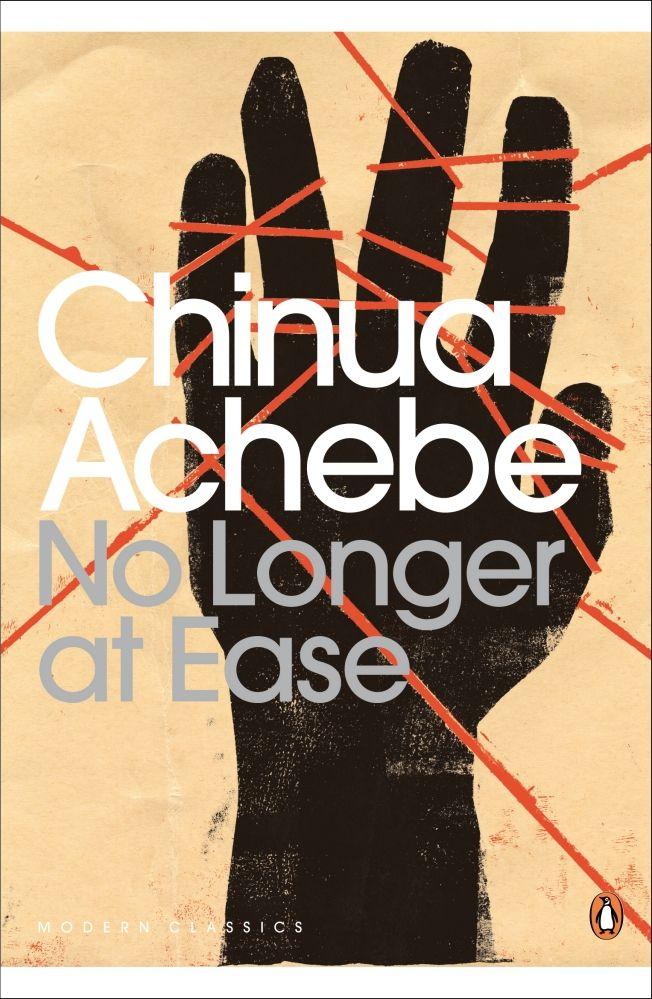
Author: Chinua Achebe
Year of publication: 1960
Chinua Achebe published No Longer at Ease in 1960, the same year Nigeria became independent. That timing makes the novel an especially fitting place to begin an Independence Day reading list. Its central character, Obi Okonkwo, returns to Nigeria after studying in England and takes up a job in the civil service. He comes home with ideas about what he can contribute to a new Nigeria, but quickly discovers that life is more complicated than he imagined. Family expectations, money, tradition, and the pressures of his new position begin to pull him in different directions. Achebe uses Obi’s story to look at a country finding its feet after colonial rule. It is less about the ceremony of independence and more about what happens when the excitement of becoming self-governing meets the everyday realities of building a country.
2. The Voice
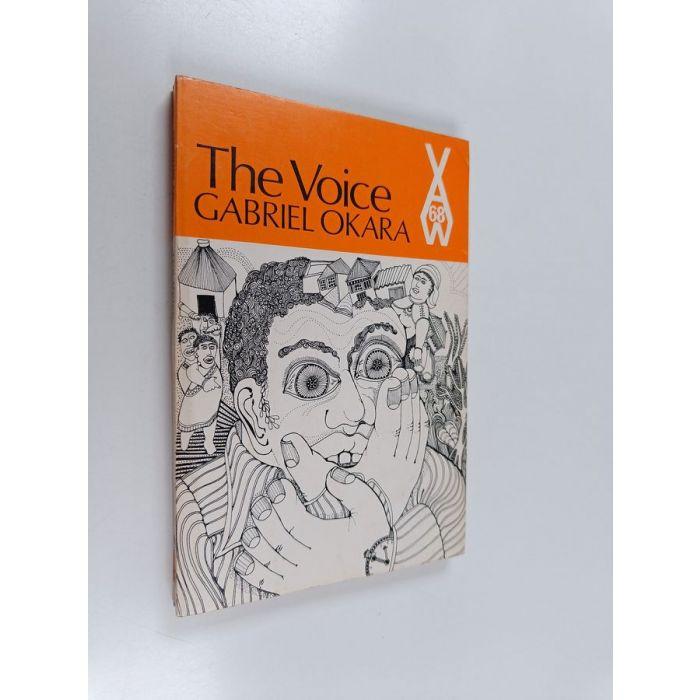
Author: Gabriel Okara
Year of publication: 1964
In The Voice, Gabriel Okara looks at a Nigeria caught between old ways of life and the changes brought by colonialism and independence. The story follows Okolo, a man searching for what he believes is truth in a society where money and power often seem to matter more. His search takes him into conflict with people who have become comfortable with the new order. Written only four years after independence, the novel reflects a period when Nigerians were asking what freedom from colonial rule should actually look like. Okara is interested in more than politics. He looks at the values people carry with them as society changes, and what can be lost in the rush towards modernity. The Voice offers a quieter, more philosophical look at the questions that came with a newly independent Nigeria.
3. The Interpreters
Author: Wole Soyinka
Year of publication: 1965
Wole Soyinka’s The Interpreters takes readers into Nigeria’s early years of independence, following a group of young, educated Nigerians trying to make sense of the country around them. They work in different fields, including journalism, education, and the arts, but share a growing frustration with the direction of the new nation. Soyinka does not treat independence as the end of Nigeria’s problems. Instead, he asks what happens when a country gets political freedom but still has to deal with ambition, corruption, old loyalties and the power struggle. The characters are young enough to have grown up with the expectation that independence would bring change, yet they are already confronting its disappointments. Published just five years after 1960, the novel captures that complicated period when Nigeria was still deciding what kind of country it wanted to become.
4. A Man of the People
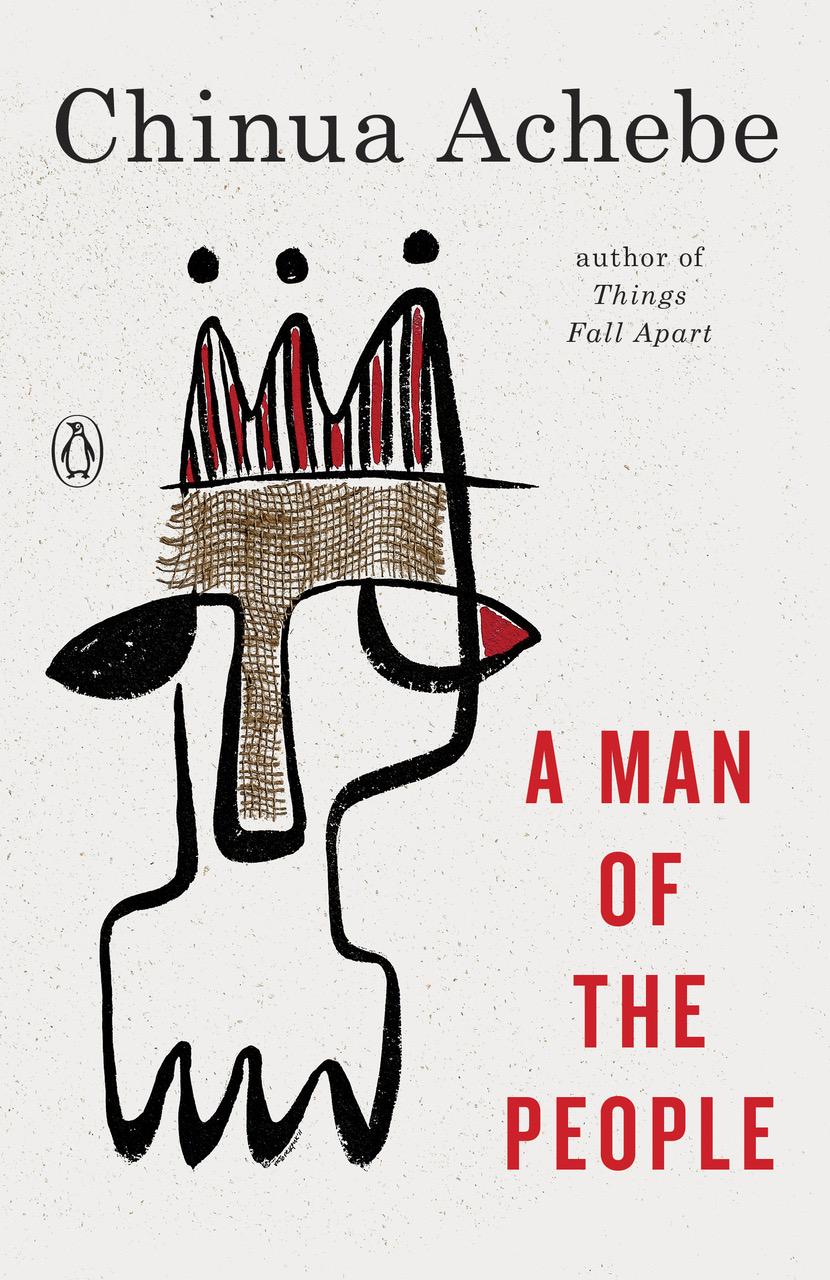
Author: Chinua Achebe
Year of publication: 1966
Achebe’s A Man of the People is set in the political world of Nigeria’s First Republic, where the excitement of independence is beginning to give way to disappointment. At the centre of the story is Odili, a young teacher whose life becomes entangled with Chief Nanga, a popular politician who knows how to win over a crowd. Nanga presents himself as a man of the people, but his political life reveals another side of power. Achebe uses their relationship to poke fun at political ambition, corruption, and the distance between politicians and the people they claim to represent. The novel appeared only six years after independence and reflected growing concerns about Nigeria’s political direction. It remains relevant to an Independence Day reading list because it asks a simple but difficult question: what happens to the promises of independence once politicians have to govern?
5. The Concubine
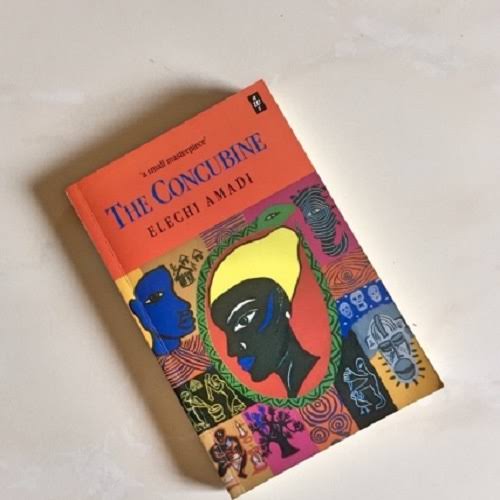
Author: Elechi Amadi
Year of publication: 1966
Elechi Amadi’s The Concubine does not tell the story of Nigerian independence directly. Instead, it takes readers much further back, into the life of a traditional village before colonial rule. At the centre of the novel is Ihuoma, a beautiful and respected woman whose relationships become entangled with beliefs about fate and the spirit world. Amadi gives considerable attention to the customs, relationships and beliefs that shape the community around her. That makes the novel an interesting companion to books dealing directly with independence. It reminds readers that Nigeria did not begin with colonial rule or become a nation only when the Union Jack was lowered in 1960. There were already complex societies, cultures, and systems of belief across the country. Published in the year Nigeria’s independence crisis was still fresh, the novel offers a glimpse of the world that existed before colonialism changed it.
6. Season of Anomy
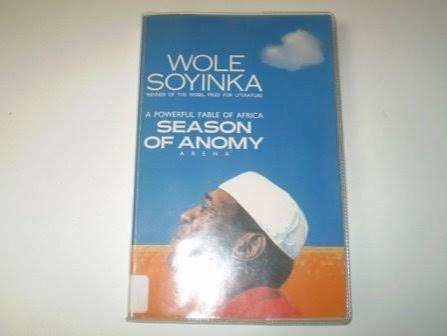
Author: Wole Soyinka
Year of publication: 1972
By the time Wole Soyinka published Season of Anomy, Nigeria had gone through a military coup, political violence, and a devastating civil war. The optimism surrounding independence had been replaced by a much more complicated reality. The novel reflects that mood. Through an allegorical story of a society struggling with violence, exploitation and political disorder, Soyinka questions the direction Nigeria has taken. It is not a straightforward account of the Civil War, but the events of the period hang heavily over the work. The book asks what kind of change is possible when the structures of power remain unjust and when violence becomes part of political life. For an Independence Day reading list, Season of Anomy offers a useful reminder that independence was not the end of Nigeria’s story. It was the beginning of a difficult experiment in governing itself.
7. The Last Duty
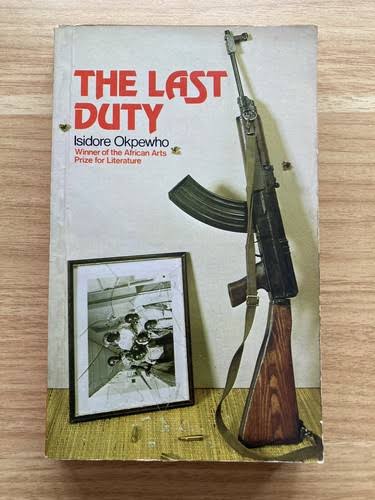
Author: Isidore Okpewho
Year of publication: 1976
Isidore Okpewho’s The Last Duty takes readers into the Nigerian Civil War and, rather than focusing on military leaders or political speeches, looks at what the conflict does to ordinary people. The story centres on a small community caught up in the war, where fear, suspicion and personal interests begin to shape relationships. The characters have their own grievances and desires, but the conflict around them changes what they are willing to do. The Civil War is an important part of Nigeria’s independence story because it exposed deep questions about belonging, ethnicity, power, and the meaning of the Nigerian nation. Okpewho brings those large questions down to the level of individual lives. Published sixteen years after independence, the novel shows how quickly the hopes of a new nation could give way to division and conflict.
8. In Dependence
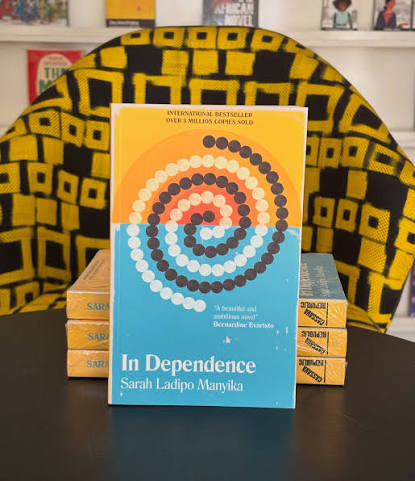
Author: Sarah Ladipo Manyika
Year of publication: 2008
Sarah Ladipo Manyika’s In Dependence begins around the time Nigeria is preparing for independence and follows Tayo, a young Nigerian who travels to Britain to study. His personal life unfolds alongside some of the biggest changes in Nigeria’s history, from independence to political instability and the events that follow. The novel moves between Nigeria and Britain, allowing Manyika to explore the complicated relationship between a former colony and its former colonial power. Tayo’s experiences also bring questions of race, love, belonging, and identity into the story. The title itself is a clever play on the idea of dependence: even after political independence, how much of the old relationship remains? Rather than looking at 1960 as a single day of celebration, Manyika explores what independence meant in the lives of people who had to navigate the new Nigeria for themselves.
9. Half of a Yellow Sun
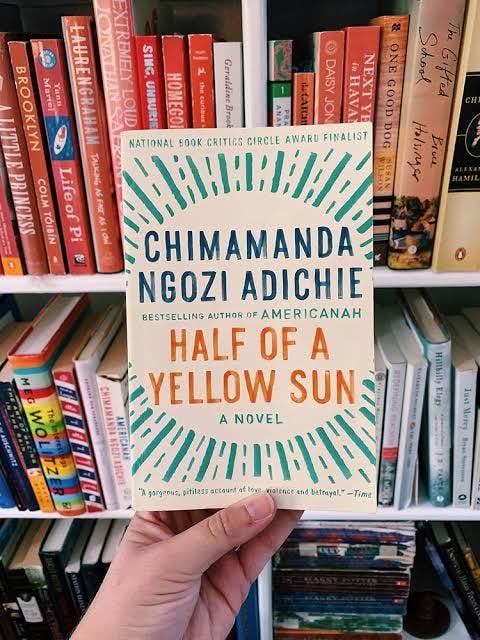
Author: Chimamanda Ngozi Adichie
Year of publication: 2006
Chimamanda Ngozi Adichie’s Half of a Yellow Sun begins in the years after Nigerian independence, when the country’s future still seems open, before political tensions eventually lead to war. Through Ugwu, Olanna, and Richard, Adichie tells the story of people whose lives are transformed by the Nigerian Civil War and the creation of Biafra. The characters fall in love, build careers and form friendships, but the political crisis gradually reaches into every part of their lives. Adichie is particularly interested in the human cost of a conflict that is often discussed through dates, battles, and political leaders. The novel also returns to the question of what went wrong after independence and why the promise of a united Nigeria became so difficult to sustain. It is a powerful fictional entry point into one of the most painful chapters of the country’s early history.
10. The Bottled Leopard
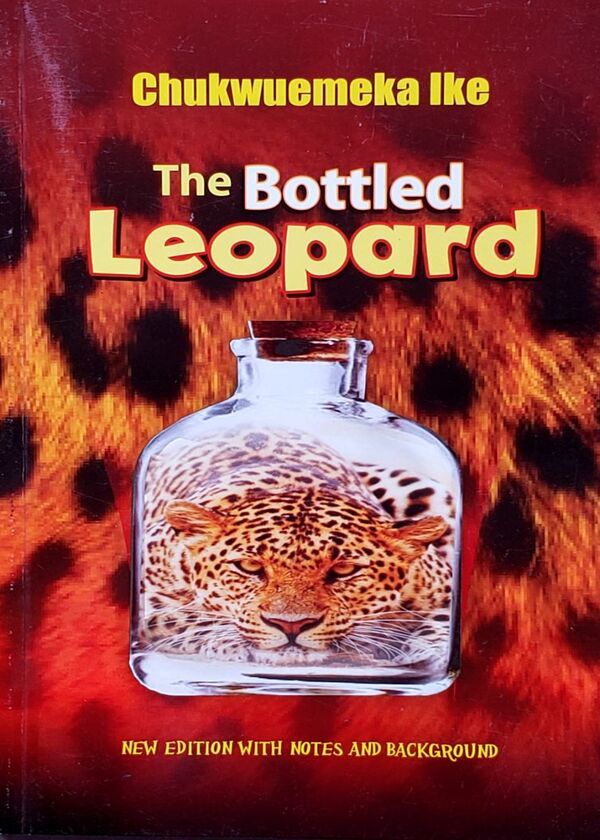
Author: Chukwuemeka Ike
Year of publication: 1985
Chukwuemeka Ike’s The Bottled Leopard looks at Nigerian society through humour, satire and the world of education. By the time the novel was published, Nigeria had been independent for 25 years and had already experienced coups, military rule and considerable political upheaval. Ike uses his characters and their experiences to poke at some of the contradictions of Nigerian society, particularly around education, ambition and the desire for success. It is not a novel about the events of October 1960, but it belongs to the generation of Nigerian fiction asking what the country had done with the freedom it gained. That makes it useful for an Independence Day list. Rather than simply celebrating the achievement of independence, the novel invites readers to think about the society that developed afterwards and the gap between national aspirations and everyday life.