
GDN SIDEBAR
Clear skin may look flawless, but appearance alone does not equal health. True skin health is about barrier strength, balance, and resilience, not just the absence of breakouts.
Photos from Pexels
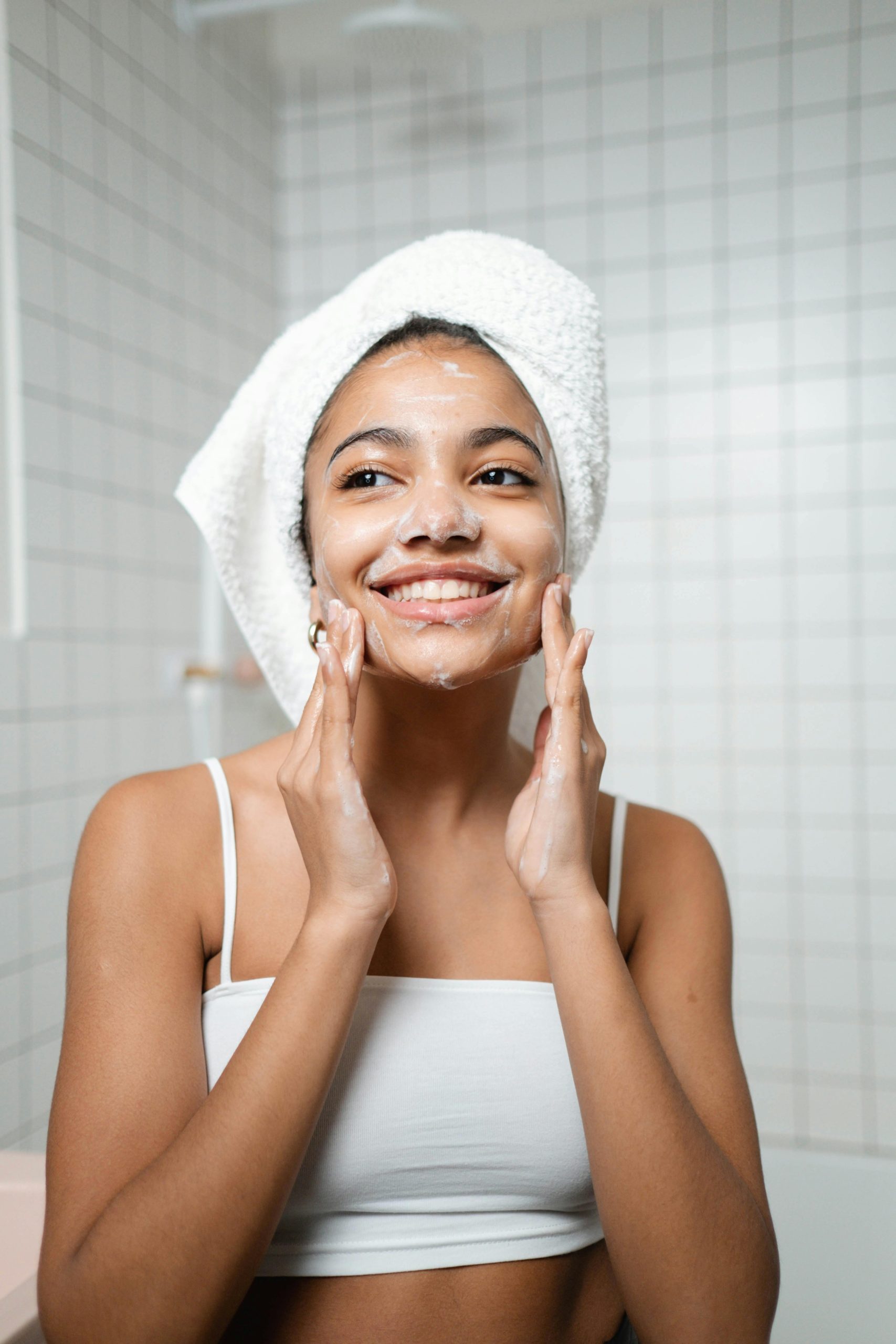
For years, clear skin has been treated as the ultimate beauty goal. No breakouts. No visible texture. No discolouration. In skincare culture, clarity is often equated with success, discipline, and even self-care. But beneath the surface, clear skin does not always mean healthy skin, and confusing the two can lead to long-term damage.
Clear skin is largely an aesthetic description — what we can see: fewer blemishes, smoother texture, a more even tone. Healthy skin, on the other hand, is functional. It describes how well the skin performs its job: protecting the body, retaining moisture, and responding calmly to external stressors. The two can overlap, but they are not the same thing.
It is entirely possible to have skin that looks clear while being compromised underneath.
OVER-TREATMENT
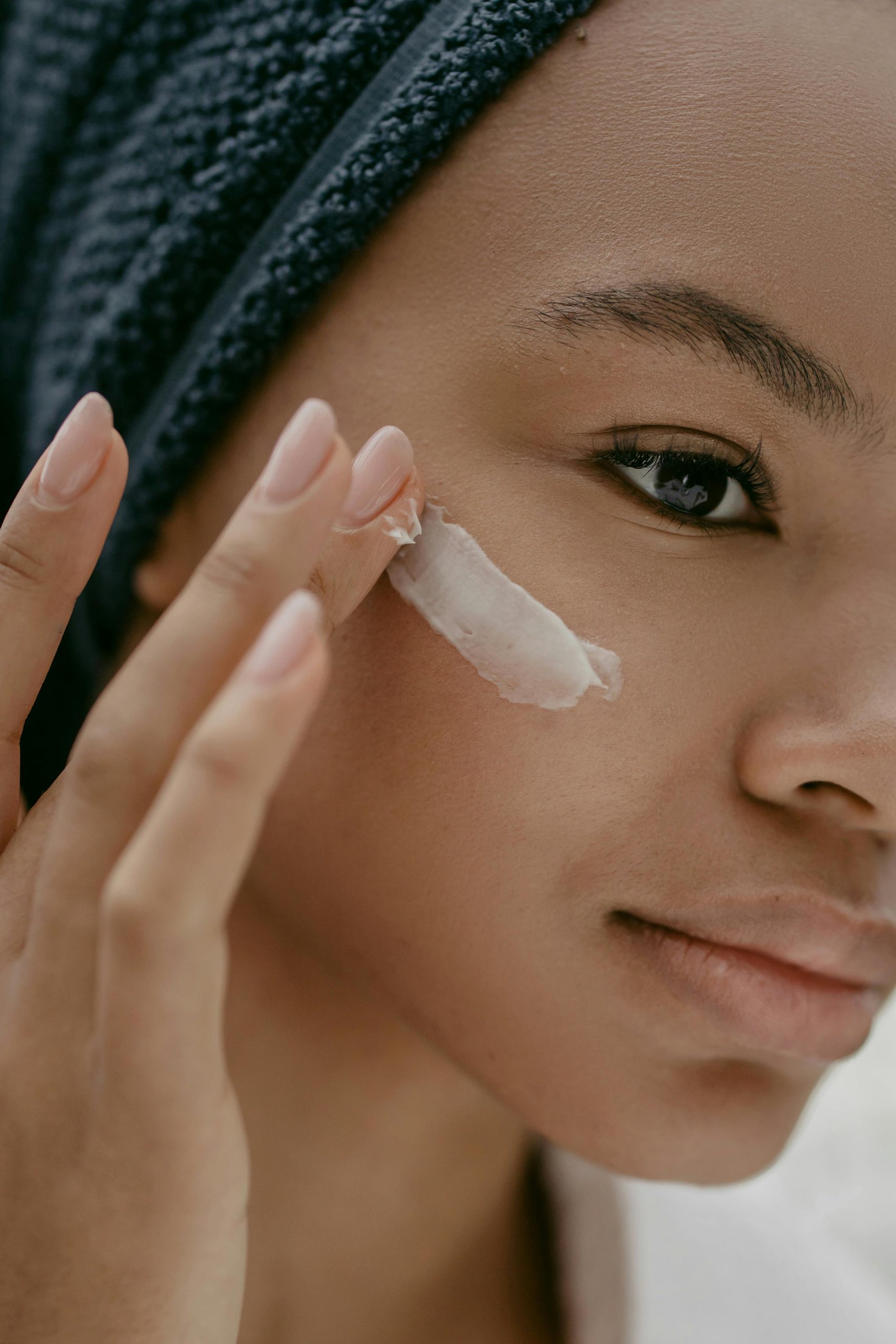
One of the most common ways this happens is through over-treatment. Acne is aggressively dried out. Oils are stripped away. Strong actives are layered daily in the name of fast results. In the short term, this can reduce visible breakouts and create the appearance of improvement. But over time, the skin barrier, which is the outermost layer responsible for protection and balance, becomes weakened.

When the barrier is damaged, skin may appear smooth and breakout-free while feeling tight, irritated, or overly sensitive. It may sting when products are applied. It may flush easily, react unpredictably, or suddenly break out after weeks of looking “fine.” These are not signs of healthy skin; they are signs of skin under stress.
THE ILLUSION OF INSTANT RESULTS
Another reason clear skin is mistaken for healthy skin is the focus on instant results. Modern beauty culture prioritises speed. Seven-day transformations, overnight fixes, and dramatic before-and-after images reinforce the idea that visible change equals progress. But skin health is cumulative. It builds slowly through consistency, not intensity.
HEALTHY SKIN IS RESILIENT
Healthy skin can tolerate products without burning. It recovers quickly from environmental stress, like weather changes or occasional routine disruptions. It holds moisture well and maintains balance without constant intervention. These qualities are not always visible in a mirror, which is why they are often overlooked.
In contrast, skin that is merely “clear” may rely heavily on continuous control. Skip a product, and issues return. Introduce something new, and irritation flares. This kind of dependency suggests that the skin is being managed, not supported.
Focusing solely on clarity can also create a harmful cycle. When appearance becomes the only measure of success, discomfort is dismissed as normal. Tingling is reframed as effectiveness. Dryness is accepted as a necessary trade-off. Over time, this mindset normalises damage and delays healing.
REFRAMING SKINCARE GOALS
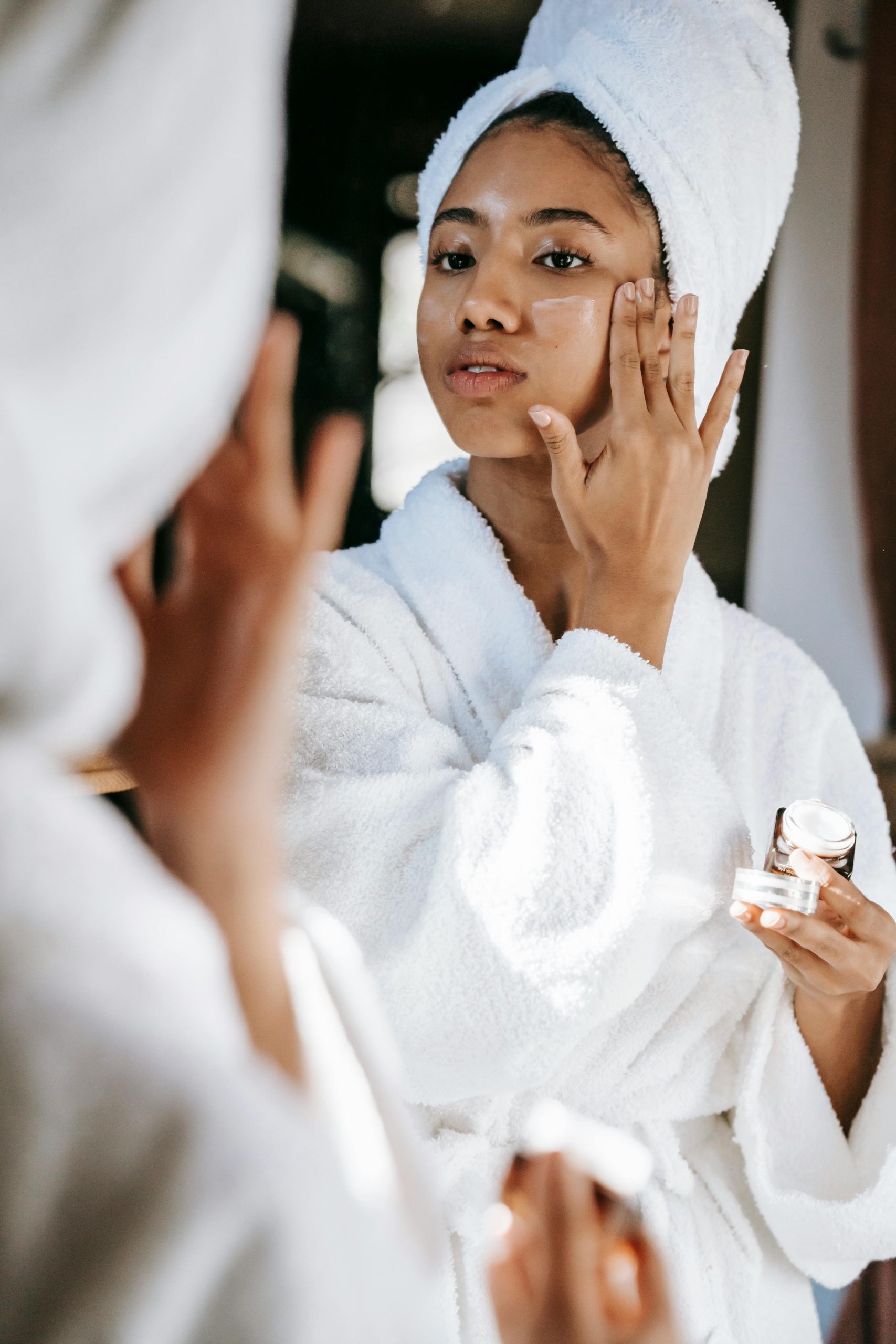
Instead of asking, “Is my skin clear?” A more useful question is, “Is my skin stable?” Stability looks like fewer reactions, not just fewer breakouts. It looks like comfort, not constant correction. It prioritises long-term function over short-term appearance.
This shift does not mean abandoning treatments or ignoring concerns like acne or hyperpigmentation. It means approaching them with restraint and respect for the skin’s limits, allowing time for recovery, valuing consistency, and understanding that some of the most important progress happens quietly.