
GDN SIDEBAR
You can do everything right and still wake up to a new pimple. That’s because breakouts do not always come from your cleanser or serum. Stress, sleep, hair products, diet patterns, and daily friction can undo your routine. Here is what might be happening.
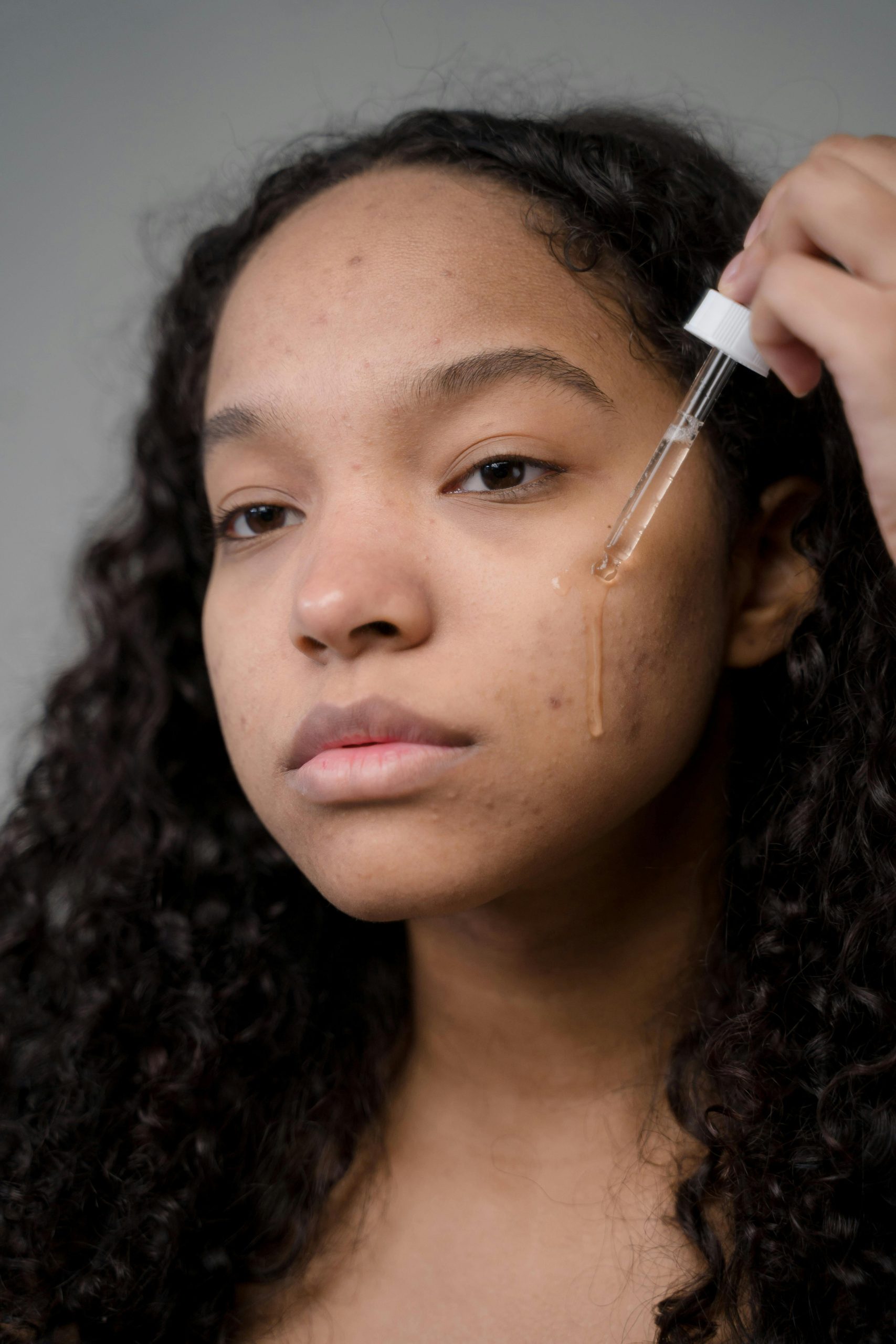
When breakouts continue despite a consistent and effective skincare routine, the immediate instinct is often to seek out better products or stronger treatments. However, acne does not exist in isolation; it is influenced by a variety of internal and external factors that go beyond cleansers and serums. Some of the most common triggers are often overlooked, not because they aren’t significant, but because they are woven into our everyday lives.
Understanding these quieter influences can shift the focus from constant correction to informed observation, potentially leading to more stable skin.
STRESS AND SKIN’S INFLAMMATORY RESPONSE
Stress is frequently mentioned in discussions about acne, but its impact is often underestimated. Experts note that prolonged stress elevates cortisol levels, which can increase inflammation and stimulate oil production. This combination creates an environment where breakouts are more likely to occur and slower to heal.
When sleep patterns become irregular, routines are disrupted, and the skin can flare up. Consequently, stressed skin often appears more reactive, is more prone to breakouts, and takes longer to recover from irritation. Even well-formulated products can struggle to perform effectively when the skin is in a constant state of internal tension.
SLEEP DISRUPTION AND IRREGULAR ROUTINES
One of the most underrated aspects of a skincare routine is having a balanced sleep schedule. Sleep plays a crucial role in skin repair. During rest, the skin regulates oil production, reduces inflammation, and strengthens its barrier. If sleep is inconsistent or insufficient, these processes are compromised.

Irregular schedules such as late nights, early mornings, or constantly shifting routines—can confuse the skin’s natural rhythms. Over time, this disruption may appear as dullness, increased sensitivity, or breakouts that seem resistant to treatment.
OVER-CLEANSING AND EXCESSIVE TREATMENT
In an effort to control acne, many people mistakenly cleanse their skin too frequently or treat it too aggressively. While this may reduce oil temporarily, it can also strip away the skin’s protective barrier. When the barrier is weakened, the skin becomes reactive, and even the gentlest products can irritate, leading to congestion and inflammation.
HAIR PRODUCTS AND STYLING HABITS
Breakouts along the hairline, forehead, neck, or upper back are often misattributed to hormonal causes. In many instances, hair products are to blame. Oils, conditioners, gels, and styling creams can transfer onto the skin, especially during sleep or while washing.
Residue buildup can clog pores and irritate the skin, particularly in areas where hair and skin come into constant contact. Because these products aren’t part of a typical skincare routine, their impact can easily be overlooked. A helpful tip: when washing your hair, rinse your hair downwards to prevent dirt from washing onto your face. Also, when applying skincare products, use a hairband to keep hair away from the face.
EVERYDAY CONTACT: PHONES, FABRICS, AND FRICTION
Our skin comes into contact with countless surfaces throughout the day, including phone screens, pillowcases, scarves, and hands, which can introduce bacteria, friction, and pressure. Over time, this repeated contact can lead to congestion and irritation, causing frequent breakouts, especially in acne-prone areas.
While cleanliness alone won’t prevent acne, infrequent cleaning of these everyday items can worsen existing skin issues, particularly when combined with other triggers.
DIET PATTERNS RATHER THAN INDIVIDUAL FOODS
Acne is often discussed in terms of specific foods to avoid, but dietary patterns matter more than individual items. Irregular meals, frequent blood sugar spikes, and highly processed diets can influence inflammation and hormonal balance.
This doesn’t suggest strict restriction but rather emphasises the importance of consistency. Stable eating patterns tend to support overall skin balance, while inconsistent habits may contribute to flare-ups over time.
HORMONAL FLUCTUATIONS BEYOND THE MENSTRUAL CYCLE
Hormonal acne is commonly associated with menstruation, but hormone fluctuations can occur for various reasons. Stress, changes in routine, sleep disruption, and lifestyle shifts can all impact hormonal balance.
As a result, breakouts may appear inconsistent or unrelated to the menstrual cycle, making them harder to predict and manage. Recognising these broader influences can help explain why acne sometimes persists even when menstrual cycle-related care is in place.
By looking beyond products and focusing on patterns, it becomes easier to respond with intention rather than urgency. In many cases, addressing these underlying factors can lead to more stable and healthier skin.