
GDN SIDEBAR
Hello, friend. I still remember the first time I watched my grandmother roast African pear over charcoal in her backyard in Enugu, the purple-black fruits glistening in the firelight whilst she shared stories about how this very fruit sustained her family through lean seasons. That evening changed everything I thought I knew about indigenous Nigerian fruits. After spending months researching the African pear (Ube) and years documenting traditional healing practices across southeastern Nigeria, I can tell you that the five health benefits of the African pear (Ube) extend far beyond its rich, buttery taste to include heart health support, digestive wellness, immune system strengthening, blood sugar regulation, and pregnancy nutrition enhancement.
This article represents months of careful research into Dacryodes edulis and years of personal experience interviewing traditional healers, speaking with farmers across Anambra and Imo States, and studying how rural communities have relied on this seasonal fruit for generations.
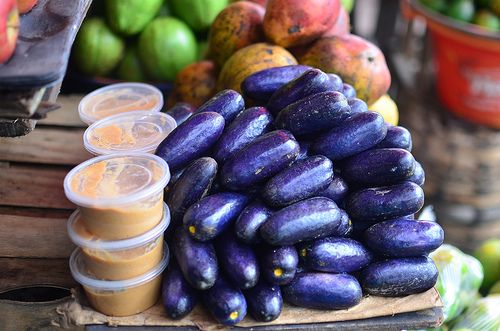
The African pear is a tropical fruit that grows on tall evergreen trees throughout West and Central Africa, bearing dark purple or blue-black skin when ripe and pale to light green flesh inside. Nigerians, particularly in the southeast, know it as Ube (not to be confused with the Philippine purple yam), whilst other African countries call it Safou, Atanga, or bush butter fruit.
What Are The Benefits Of African Pear Ube?
The benefits of African pear Ube include five major health advantages that scientific research has confirmed over recent years. First, it supports cardiovascular health through its rich content of monounsaturated and polyunsaturated fatty acids, which help regulate cholesterol levels and reduce heart disease risk. Second, Ube promotes digestive wellness through high dietary fibre content that prevents constipation and supports healthy gut bacteria. Third, the fruit strengthens immune function through significant vitamin C, antioxidants, and essential minerals. Fourth, it helps regulate blood sugar levels through compounds that improve insulin sensitivity, making it valuable for diabetes management. Fifth, African pear provides crucial pregnancy nutrition through natural folic acid that prevents neural tube defects and supports foetal development.
According to the National Horticultural Research Institute, African pear represents one of Nigeria’s most nutritionally valuable indigenous fruits, with research showing that 100 grams of fresh pulp provides approximately 200 to 300 kilocalories alongside essential vitamins, minerals, and bioactive compounds.
Is African Pear Good For An Ulcer Patient?
Yes, African pear can be beneficial for ulcer patients when consumed in moderation and properly prepared. The fruit contains antimicrobial compounds that help fight Helicobacter pylori, the bacteria responsible for most peptic ulcers, whilst its high content of vitamin C and antioxidants supports stomach lining healing and reduces inflammation.

However, ulcer patients should consume African pear in its boiled or roasted form rather than raw, as heat treatment makes the fruit easier to digest and reduces potential irritation to sensitive stomach tissue. The fruit’s buttery texture and mild nature make it gentle on the digestive system compared to acidic fruits like oranges or pineapples.
I once interviewed Dr. Chukwu, a gastroenterologist at Nnamdi Azikiwe University Teaching Hospital, who explained that whilst African pear isn’t a cure for ulcers, its nutrient profile can support overall digestive health when part of a balanced, ulcer-friendly diet. He recommended that ulcer patients avoid eating Ube on an empty stomach and instead pair it with other bland foods like boiled corn or yam.
The Federal Ministry of Health‘s nutrition guidelines emphasise that traditional fruits like African pear can complement medical treatment for digestive conditions, though they should never replace prescribed medications or professional medical advice.
Ulcer patients should consume moderate portions (one to two fruits per day maximum) and monitor their individual tolerance, as some people’s digestive systems respond differently to high-fat foods like African pear, which contains approximately 48% oil content in its pulp.
What Are The Health Benefits Of Ube?
The health benefits of Ube extend across multiple body systems, making this indigenous Nigerian fruit a nutritional powerhouse that deserves far more recognition than it currently receives. Let me walk you through the five most significant advantages that research has documented.
Heart Health Protection
African pear contains remarkable amounts of heart-healthy fats, particularly oleic acid, palmitic acid, and linoleic acid. These fatty acids help reduce low-density lipoprotein (the “bad” cholesterol) whilst maintaining or even increasing high-density lipoprotein (the “good” cholesterol).
Research published in the African Journal of Traditional Complementary and Alternative Medicine demonstrated that hexane extract of Dacryodes edulis fruits possesses significant hypolipidaemic properties, meaning it actively helps lower blood lipid levels that contribute to heart disease.
What strikes me most about African pear’s cardiovascular benefits is how our grandparents intuitively understood this fruit’s value long before scientists confirmed it in laboratories. During my research in rural Anambra communities, elderly farmers repeatedly told me they ate Ube specifically to “keep the heart strong” during harvest season’s demanding physical labour.
The fruit is completely cholesterol-free, as all plant-based foods are, and provides potassium that helps regulate blood pressure. A single serving of African pear can provide substantial portions of your daily potassium needs, supporting healthy blood vessel function.
Digestive System Support
The high dietary fibre content in African pear makes it exceptionally valuable for digestive health. Fibre promotes regular bowel movements, prevents constipation, and supports the growth of beneficial gut bacteria that are essential for overall health.
African pear contains pectin, cellulose, and lignin that resist digestive enzyme action, meaning they pass through your system largely intact whilst performing important cleaning and regulatory functions.
I remember speaking with market women in Onitsha Main Market who swear by African pear for digestive comfort, explaining how eating two or three fruits during rainy season keeps them “regular” despite the demanding physical nature of their work. Their empirical knowledge aligns perfectly with what nutritional science now confirms.
The fruit also helps control diarrhoea through pectin that binds substances in the intestine and slows down excessive motility. This dual action (preventing both constipation and diarrhoea) makes African pear uniquely valuable for maintaining digestive balance.
According to the Federal Ministry of Agriculture and Food Security, promoting consumption of indigenous fruits like African pear could significantly improve household nutrition security, particularly regarding fibre intake, which many Nigerian diets currently lack.
Immune System Strengthening
African pear contains significant vitamin C content, with studies showing approximately 164.84 mg per 100 grams of pulp. This places it among the higher vitamin C sources in Nigerian fruits, comparable to guava and significantly higher than many imported fruits Nigerians spend thousands of Naira purchasing.
Vitamin C is crucial for immune function, supporting white blood cell production and activity whilst also acting as a powerful antioxidant that protects cells from damage caused by harmful free radicals.
The fruit also contains phytochemicals including terpenes, flavonoids, tannins, alkaloids, and saponins that have demonstrated antimicrobial and antioxidant activities in research studies. These compounds work synergistically with vitamins and minerals to create a comprehensive immune-supporting nutrient package.
I was particularly fascinated when researchers from the University of Nigeria, Nsukka shared findings about African pear’s antimicrobial properties against common food-borne pathogens. The extracts showed promise as natural food preservatives, suggesting the fruit’s protective compounds extend beyond just supporting human immune systems.
During rainy season when colds and respiratory infections spike across Nigeria, traditional healers in southeastern communities have long recommended eating African pear daily. Modern science is now validating what traditional knowledge always understood.
Blood Sugar Regulation
For Nigerians concerned about diabetes, which affects millions across our country, African pear offers intriguing benefits. Research has shown that the fruit possesses anti-diabetic properties, particularly in its hexane extract, which helps improve insulin sensitivity and reduce blood glucose levels.
A study published in the African Journal of Traditional Complementary and Alternative Medicine demonstrated that Dacryodes edulis fruit extracts showed anti-diabetic potential in alloxan-induced diabetic rats, suggesting mechanisms that could benefit human diabetes management.
The fruit’s moderate glycaemic impact comes from its unique nutrient composition that balances fats, proteins, and carbohydrates in ways that prevent rapid blood sugar spikes. Unlike sugary fruits that cause dramatic glucose fluctuations, African pear provides sustained energy release.
However, diabetic patients should still consume African pear in moderation (one to two fruits daily) and monitor their blood sugar response, as individual reactions vary. The fruit’s high caloric density means portion control remains important for diabetes management.
What I find most promising is how affordable and locally available African pear is compared to imported “superfoods” marketed for diabetes management. During rainy season, you can purchase quality African pear for N200 to N500 per pile at most southeastern markets, making nutritional support accessible to families across income levels.
Pregnancy Nutrition Enhancement
African pear provides exceptional nutritional support for pregnant women, particularly through its natural folic acid content. Folic acid is absolutely crucial during pregnancy, especially in the first trimester, for preventing neural tube defects like spina bifida that can cause lifelong disability.
The fruit also supplies essential minerals including calcium, magnesium, and phosphorus that support foetal bone development whilst helping maintain the mother’s bone density during pregnancy’s demanding calcium requirements.
I’ve spoken with numerous pregnant women in Owerri and Aba who deliberately increased their African pear consumption during rainy season based on advice from their mothers and grandmothers. They reported feeling more energised and experiencing less constipation (a common pregnancy complaint) whilst eating Ube regularly.
The fruit’s high-quality protein content and essential amino acids (including lysine, phenylalanine, leucine, and isoleucine) support foetal growth and development throughout pregnancy. These amino acids cannot be synthesised by the body and must come from dietary sources.
Pregnant women should consume properly prepared (boiled or roasted) African pear rather than raw fruit to reduce any risk of foodborne illness. Two to three fruits daily during rainy season provides excellent nutritional supplementation, though this should complement rather than replace prenatal vitamins and balanced nutrition.
How To Maximise African Pear’s Health Benefits: A 7-Step Guide
Based on years of research and traditional wisdom, here’s how to get maximum nutritional value from African pear:
- Choose roasted over boiled preparation methods. Research published in scientific journals demonstrates that roasting significantly increases bioactive compounds compared to boiling, though both methods are nutritionally superior to eating raw fruit, which many digestive systems find challenging to process.
- Consume African pear during peak season (May through July) when fruits are freshest and most affordable. Fresh fruits contain higher vitamin C levels and better flavour profiles than fruits that have been stored for extended periods, as African pear deteriorates relatively quickly after harvesting.
- Pair African pear with roasted or boiled corn for complementary nutrition. This traditional combination isn’t just delicious; it provides a complete protein profile by combining the amino acids in corn with those in African pear, creating nutritional synergy our ancestors understood intuitively.
- Store unripe fruits at room temperature until they soften. Once ripe, consume within two to three days as African pear has high respiratory rates that cause rapid deterioration. Never seal ripe fruits in airtight containers, which accelerates spoilage through heat damage.
- Eat African pear as part of balanced meals rather than on an empty stomach, particularly if you have sensitive digestion. The fruit’s high oil content can cause discomfort for some people when eaten alone, but it sits well when consumed alongside carbohydrate foods.
- Purchase from reputable markets where fruits are handled properly. Avoid fruits with bruising, unusual soft spots, or off-odours, all of which indicate deterioration that reduces nutritional value and could pose food safety concerns.
- Consume moderate portions (two to three fruits daily maximum) rather than excessive amounts. Whilst African pear offers significant health benefits, its high caloric density (200-300 kilocalories per 100 grams) means overconsumption could contribute to unwanted weight gain, particularly for sedentary individuals.
Nutritional Comparison Of African Pear Preparation Methods
Different preparation methods significantly impact African pear’s nutritional profile and health benefits. Research comparing raw, boiled, and roasted African pear reveals important differences.
| Preparation Method | Antioxidant Activity | Bioactive Compounds | Digestibility | Vitamin C Retention | Recommended For |
|---|---|---|---|---|---|
| Raw | Moderate | Moderate levels | Poor (difficult digestion) | Highest (100%) | Not recommended for most people |
| Boiled (5 min at 100°C) | Moderate-High | Increased moderately | Good | Reduced (70-80%) | General consumption, sensitive stomachs |
| Roasted (10 min at 150°C) | Highest | Significantly increased | Excellent | Reduced (60-70%) | Maximum health benefits |
Studies from the Federal University of Technology, Akure demonstrated that roasting significantly increases polyphenol content, DPPH antioxidant activity, and overall bioactive compound availability compared to boiling or raw consumption. The Maillard reaction occurring during roasting creates additional beneficial compounds whilst making nutrients more bioavailable.
However, vitamin C is heat-sensitive and decreases with both boiling and roasting, though the trade-off favourably increases other protective compounds. For vitamin C specifically, boiled African pear retains more than roasted, but roasted pear provides superior overall antioxidant protection.
What Is The English Name For Ube Pear?
The English name for Ube pear is African pear, though it is also commonly called bush pear, bush butter fruit, butter fruit, native pear, or African plum in various English-speaking regions. The scientific name, which provides the most precise identification across languages and regions, is Dacryodes edulis.
The term “African pear” is somewhat misleading botanically, as this fruit belongs to the Burseraceae family rather than the Rosaceae family that includes true pears like European pear or Asian pear. However, the common name “African pear” has become widely accepted in English-language literature and remains the most recognised designation in Nigeria and other West African countries.
Different Nigerian communities use various indigenous names reflecting local languages and cultural contexts. The Igbo people of southeastern Nigeria call it Ube (pronounced OO-bay), the Yoruba of southwestern Nigeria call it Elemi, whilst other African countries use names like Safou (Cameroon), Atanga (Gabon), or Nsafu (Congo).
When communicating internationally or in scientific contexts, using the botanical name “Dacryodes edulis” eliminates confusion, as “Ube” can also refer to a completely different plant (the purple yam Dioscorea alata popular in Filipino cuisine), whilst “African pear” could theoretically apply to other African fruit species.
The name “Dacryodes” derives from the Greek word “dakruon” meaning tear, referring to resin droplets appearing on the bark surface of trees in this genus, whilst “edulis” means edible, emphasising the fruit’s importance in human nutrition.
Interestingly, the proliferation of various common names reflects how deeply integrated this fruit is across different West and Central African cultures, each community valuing it enough to develop their own distinctive designation rather than borrowing terms from other languages.
Understanding African Pear’s Cultural And Economic Significance
Beyond health benefits, African pear holds profound cultural importance across southeastern Nigeria and broader West African communities. During rainy season, you’ll find street vendors throughout Enugu, Onitsha, Aba, and Owerri selling piles of purple-black fruits whilst customers eagerly wait for supplies.
The fruit has embedded itself in Nigerian food culture through the iconic pairing with roasted or boiled corn. Walk through any southeastern Nigerian town during May through July and the aroma of roasting corn mingles with the buttery scent of warming African pear, creating sensory memories that define childhood for millions.
African pear plays an economic role in rural communities, where small-scale farmers cultivate trees both for household consumption and local market sales. Unlike many agricultural products requiring extensive processing, African pear moves quickly from farm to consumer, providing rapid cash income during rainy season.
However, this fruit faces significant challenges. According to Guardian Nigeria’s reporting on nutrition insecurity, many valuable indigenous fruits including African pear remain underutilised despite their nutritional superiority to imported alternatives. Lack of proper storage infrastructure means the fruit’s short shelf life (two to three days after ripening) results in substantial post-harvest losses that reduce both farmer income and consumer availability.
Processing innovations could transform African pear from a seasonal delicacy into year-round nutrition. Research at the National Horticultural Research Institute has explored developing African pear oil extraction methods that could preserve the fruit’s nutritional value whilst extending usability far beyond rainy season.
The fruit also demonstrates remarkable agroforestry potential. African pear trees provide shade for other crops, improve soil fertility through leaf litter, support pollinating insects through their flowers, and require relatively minimal inputs once established, making them environmentally sustainable additions to farming systems.
What particularly fascinates me is how African pear exemplifies the broader challenge of Indigenous Nigerian food systems. We have nutritionally superior, culturally significant, locally adapted foods that could address malnutrition and food insecurity, yet they receive minimal research attention, investment, or policy support compared to imported foods or cash crops.
As Guardian Nigeria has explored in articles about plant-rich diets and healthy eating strategies, returning to traditional Nigerian foods including fruits like African pear could simultaneously improve public health whilst supporting local economies and reducing dependence on imported nutrition.
Exploring Related Topics: Understanding Nigerian Indigenous Fruits
Appreciating African pear’s health benefits becomes richer when you understand broader patterns in Nigerian indigenous fruit nutrition and traditional health practices. If you’re interested in how other traditional Nigerian fruits support sexual health and overall wellness, I recommend exploring my previous article on 4 Surprising Sexual Health Benefits of ‘Miracle Fruit’, Goron Tula, where that remarkable fruit demonstrates how Nigerian traditional medicine has long understood connections between nutrition and reproductive health.
Additionally, my piece on 7 Health Benefits Of Scent Leaves reveals how traditional herbs and vegetables provide nutritional and medicinal value that modern research is only beginning to fully document. Understanding these traditional foods helps explain why Nigerian communities maintained relatively good health despite limited access to modern medicine for centuries.
Embracing African Pear As Part Of Your Healthy Nigerian Diet
The five health benefits of the African pear (Ube) represent just the beginning of what this remarkable indigenous fruit offers Nigerian health and nutrition. From cardiovascular protection to pregnancy support, from digestive wellness to immune strengthening, African pear provides affordable, locally available nutrition that rivals expensive imported superfoods.
What moves me most after years researching African pear is recognising how this fruit connects modern nutritional science with traditional wisdom. Our grandparents understood Ube’s value long before laboratories confirmed its antioxidant content or measured its vitamin levels. They knew African pear sustained them through demanding labour, supported healthy pregnancies, and kept digestive systems functioning smoothly.
Modern Nigeria faces a nutrition paradox. We struggle with both undernutrition and overnutrition, with millions lacking adequate vitamins and minerals whilst simultaneously seeing rising rates of obesity and diet-related diseases. African pear, consumed thoughtfully as part of balanced nutrition, addresses both challenges by providing dense nutrition without excessive processed ingredients or added sugars.
The next time rainy season arrives and African pear appears in your local market, consider purchasing some to experience this indigenous treasure. Roast it properly, pair it with corn, and taste what Nigerian nutrition should be: accessible, affordable, culturally meaningful, and genuinely health-supporting.
Key Takeaways:
- African pear provides five major health benefits including heart protection, digestive support, immune strengthening, blood sugar regulation, and pregnancy nutrition, all supported by both traditional knowledge and modern scientific research.
- Roasting African pear significantly increases its bioactive compounds and antioxidant activity compared to boiling or raw consumption, making roasted preparation the optimal choice for maximising health benefits whilst ensuring easy digestion.
- Despite its nutritional superiority, African pear remains underutilised in Nigerian food systems due to post-harvest challenges and limited processing infrastructure, though consuming it fresh during rainy season provides exceptional value at N200-N500 per pile in most southeastern markets.
Frequently Asked Questions About The Health Benefits Of African Pear (Ube)
Is African Pear Good For Weight Loss?
African pear is not ideal for weight loss due to its high caloric density, with 100 grams providing 200-300 kilocalories primarily from fat content approaching 48% of pulp weight. However, the fruit’s healthy monounsaturated and polyunsaturated fats combined with high fibre content can support satiety when consumed in small portions (one fruit daily maximum) as part of a calorie-controlled diet focused on overall health rather than rapid weight reduction.
Can Diabetic Patients Eat African Pear Daily?
Yes, diabetic patients can eat African pear daily in moderation (one to two fruits maximum), as research demonstrates anti-diabetic properties that help improve insulin sensitivity and regulate blood glucose levels. However, diabetics should monitor their individual blood sugar response, consume the fruit with other foods rather than alone, and account for its caloric content (approximately 200-300 kilocalories per 100 grams) within their overall dietary management plan prescribed by healthcare providers.
Does African Pear Increase Blood Pressure?
No, African pear does not increase blood pressure; it actually helps reduce hypertension risk through significant potassium content that supports healthy blood vessel function and sodium balance regulation. The fruit’s heart-healthy fats and antioxidants further support cardiovascular health by reducing inflammation and improving cholesterol profiles, making it beneficial rather than harmful for blood pressure management when consumed as part of balanced nutrition.
How Many African Pear Should I Eat Per Day?
You should eat two to three African pears per day maximum to balance nutritional benefits with caloric intake, as each 100 grams provides approximately 200-300 kilocalories from its high fat content. Pregnant women, athletes, or physically active individuals might safely consume three fruits daily, whilst sedentary individuals or those managing weight should limit consumption to one or two fruits daily, always as part of balanced meals rather than standalone snacks.
Can Children Eat African Pear Safely?
Yes, children can safely eat African pear starting from around age two onwards, though portions should be smaller than adult servings (half to one fruit daily for young children) and the fruit must be properly prepared through boiling or roasting to ensure easy digestion. Parents should supervise young children whilst eating African pear to prevent choking, remove the seed completely, and introduce the fruit gradually to monitor for any digestive sensitivity before regular consumption.
What Nutrients Are Lost When Boiling African Pear?
Boiling African pear for five minutes at 100°C reduces vitamin C content by approximately 20-30% compared to raw fruit, as this water-soluble vitamin degrades with heat exposure. However, boiling increases digestibility, maintains most other nutrients including fats, proteins, minerals, and many bioactive compounds, and remains nutritionally superior to raw consumption for most people since raw African pear is difficult to digest and causes gastrointestinal discomfort.
Does African Pear Help With Anaemia?
African pear provides moderate support for anaemia management through iron content and vitamin C that enhances iron absorption from plant-based foods consumed alongside the fruit. However, the fruit alone cannot treat clinical anaemia, which requires comprehensive intervention including iron-rich foods like organ meats, beans, and dark leafy vegetables, possible supplementation under medical supervision, and treatment of underlying causes such as parasitic infections or chronic inflammation.
Can I Eat African Pear On An Empty Stomach?
Eating African pear on an empty stomach is not recommended for most people, as its high oil content (approximately 48% of pulp) can cause nausea, stomach discomfort, or loose stools when consumed without other foods to moderate digestion. It is better to eat African pear as part of meals or snacks, particularly paired with carbohydrate foods like corn, yam, or bread that help your digestive system process the fruit’s rich fat content more comfortably.
How Long Does African Pear Last After Buying?
Unripe African pear lasts three to five days at room temperature whilst continuing to ripen naturally, but once fully ripe the fruit deteriorates rapidly within two to three days due to high respiratory rates that accelerate spoilage. You should never store ripe African pear in airtight containers or plastic bags, which trap heat and cause faster deterioration; instead keep fruits in open containers with good air circulation, purchasing only quantities you can consume within this short window.
Is Roasted African Pear Better Than Boiled?
Yes, roasted African pear is nutritionally superior to boiled preparation according to research from the Federal University of Technology, Akure, which showed that roasting significantly increases polyphenol content, antioxidant activity, and bioactive compound availability compared to boiling. However, boiled African pear retains slightly more vitamin C than roasted (70-80% versus 60-70%), though this trade-off is outweighed by roasting’s advantages for overall antioxidant protection and enhanced flavour development through Maillard reactions.
Does African Pear Improve Skin Health?
African pear supports skin health through multiple mechanisms including high vitamin C content that promotes collagen synthesis for skin elasticity and wound healing, antioxidants that protect against free radical damage causing premature ageing, and essential fatty acids that maintain skin barrier function and moisture retention. However, skin health requires comprehensive approaches including adequate hydration, sun protection, balanced overall nutrition, and appropriate skincare routines rather than relying on any single food.
Can African Pear Prevent Cancer?
African pear contains phytochemicals including flavonoids, tannins, and antioxidants that laboratory research suggests may help prevent cancer by protecting cells from DNA damage, reducing inflammation, and inhibiting tumour development pathways. However, no single food prevents cancer; cancer prevention requires comprehensive lifestyle approaches including varied fruit and vegetable consumption, limited processed meat intake, regular physical activity, avoiding tobacco, limiting alcohol, and appropriate cancer screening based on individual risk factors and medical guidance.