GDN SIDEBAR
What if art and beauty are being redefined by the most overlooked beauty hack? Not a new serum or a trending lipstick, but an earthy dye powder made from Lawsonia inermis plant leaf known as HENNA or popularly called “Laali”.
Henna has been around since the inception of beauty itself. For centuries, it has been a symbol of celebration: brides adorned before their big day, families gathering for festivals, friends bonding over patterns that carry stories of joy and love.
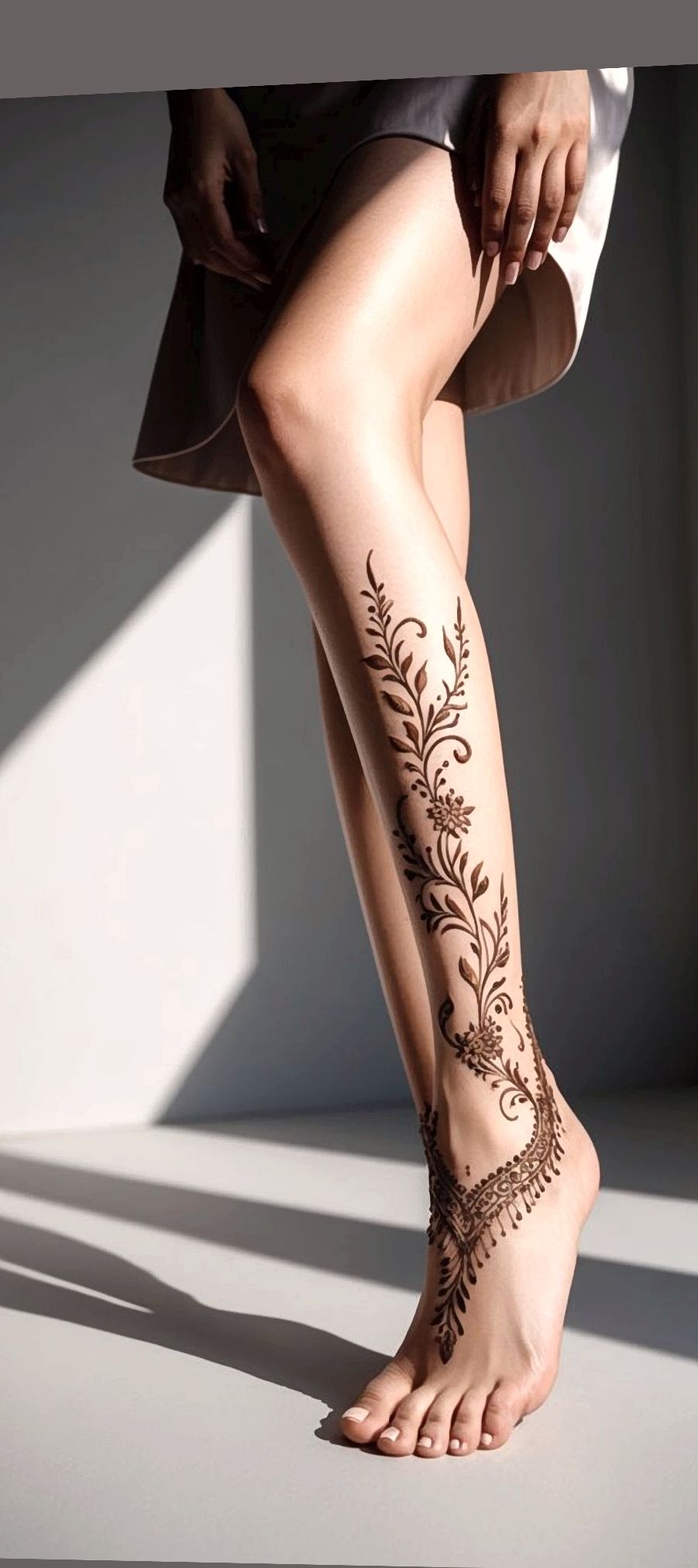
But today, henna is experiencing renewed popularity. Artists blend traditional designs with contemporary design, while henna artists revive the craft. Many individuals choose henna as a sustainable, skin-safe method to express identity, beauty, art, and style.
As people have moved around and aesthetics have changed over the last century, henna has become a worldwide art form that mixes local styles with modern ideas.
Today’s henna artists get ideas from many places, like tattoo patterns, simple flower drawings, and clean, simple shapes, making designs that feel both classic and new.
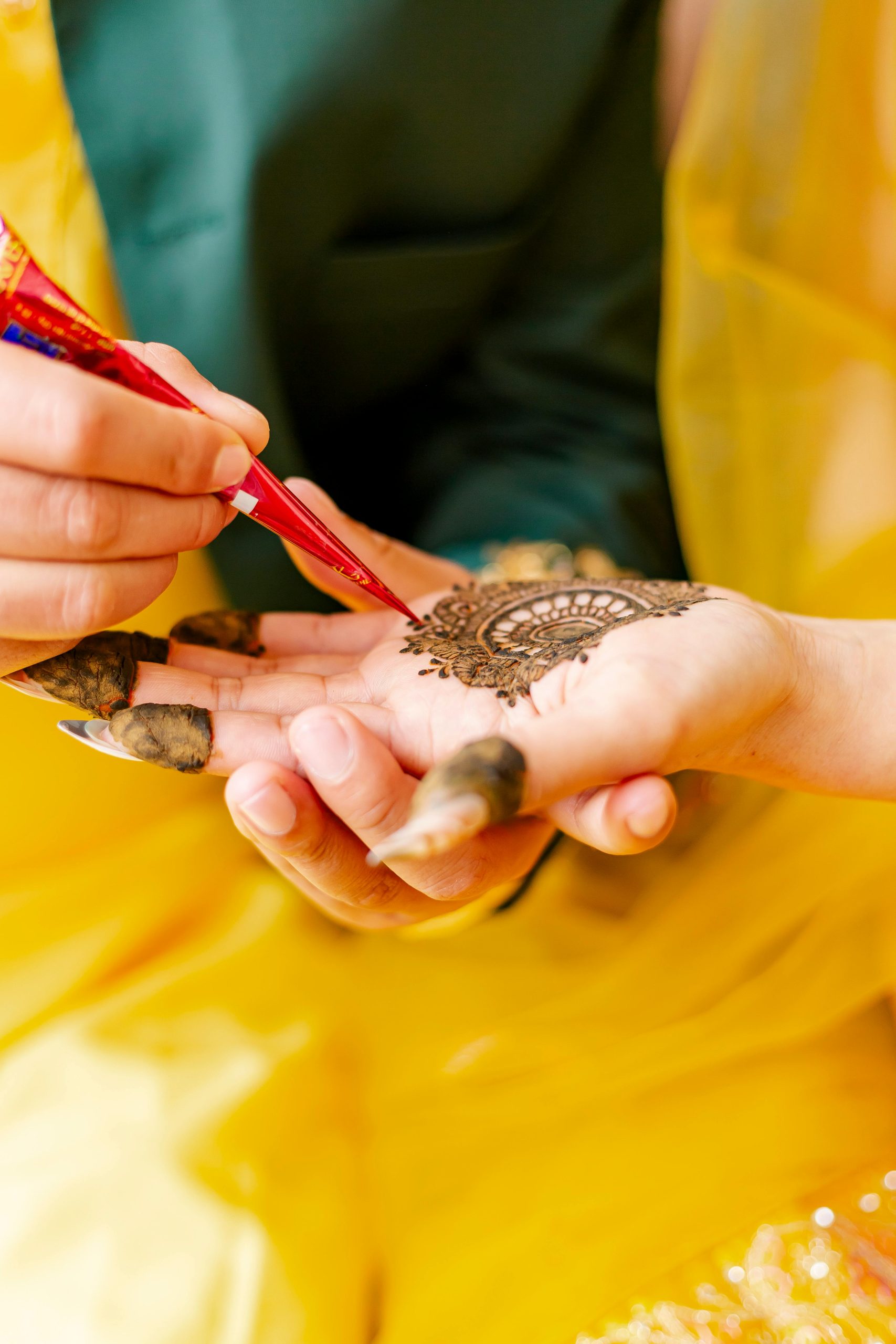

Unlike permanent tattoos, henna fades naturally after about two weeks, so designs can be changed often.
It offers freedom to change, and this makes it a safe way for people to express different styles and identities without a lifelong mark. Because it comes from plants, it is also more eco-friendly than synthetic dyes.
According to market intelligence, the global henna tattoo market was valued at USD 1.2 billion in 2024 and is expected to nearly double to about USD 2.4 billion by 2033, growing at a CAGR of 8.1%.
This growth clearly signals a rising appetite for henna body art, especially among younger, style-conscious audiences. For anyone considering a creative side hustle, this is an industry to watch out for.
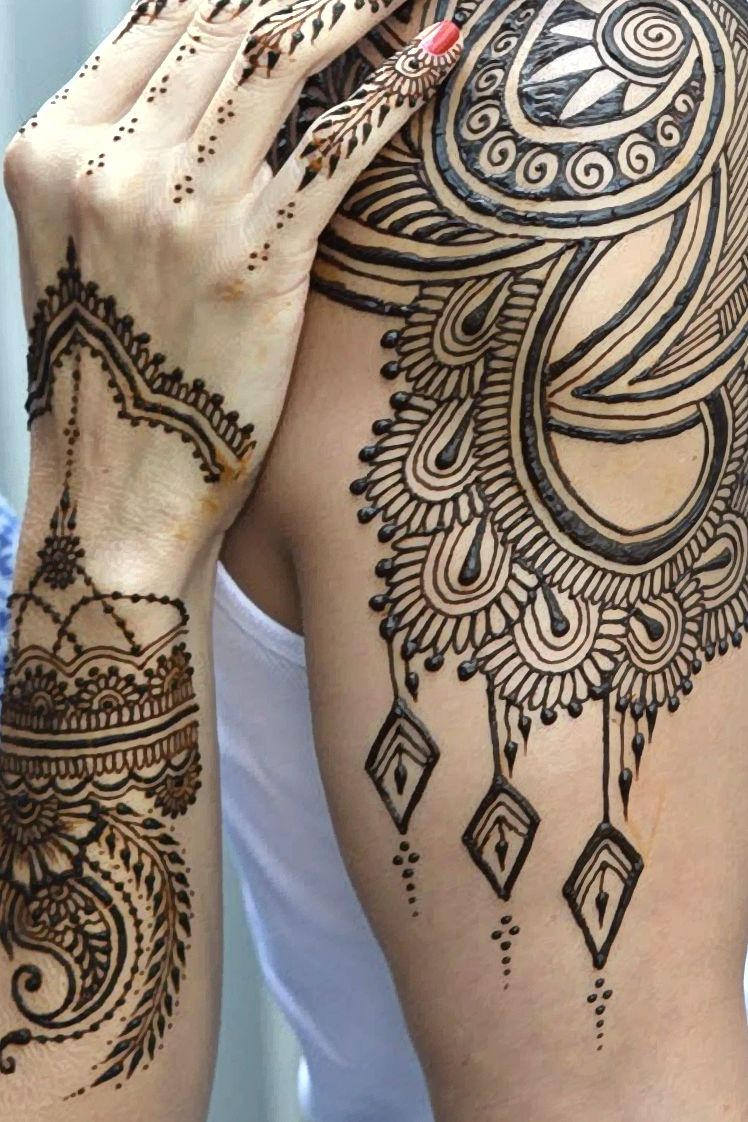
What’s striking today is how henna has moved beyond tradition into everyday creativity. Members of Gen Z have adopted this centuries-old practice as a regular beauty and art accessory.
University students apply henna for social events, professionals incorporate subtle motifs into their appearance, fashionistas use it to embody their style, and men increasingly experiment with symbolic designs.
Social media platforms have accelerated this transformation, elevating henna from a niche custom to a global art form that reflects culture, style, and individuality as it appears in styled photoshoots, events, and many more.
Many love the look of permanent tattoos but shy away from the lifelong mark and the pain.
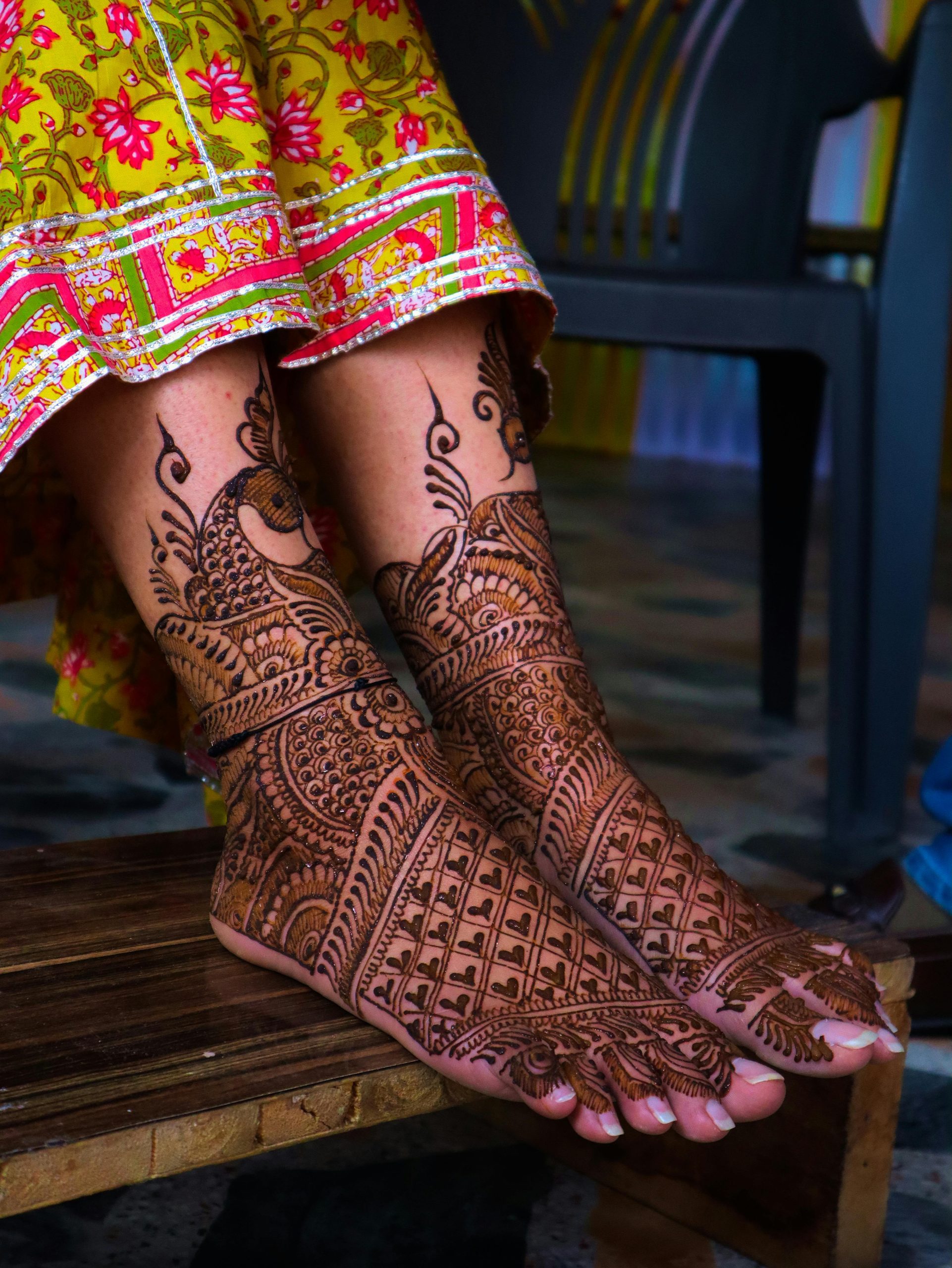
Henna bridges that gap by being bold, expressive, and temporary. You might wear a full floral sleeve today, a tiny wrist motif next week, and let it fade when you’re ready for a new design.
That freedom explains why so many are embracing it. You can wear a dragon sleeve for a music festival, test a delicate symbol before inking it forever, or switch styles as often as you change your wardrobe. It’s fashionable for the skin, customizable, and safe when done right.
For centuries, henna has been tied to culture and tradition. But this generation is redefining it. It is no longer limited to weddings or religious ceremonies; henna is making a bold entry into the mainstream.
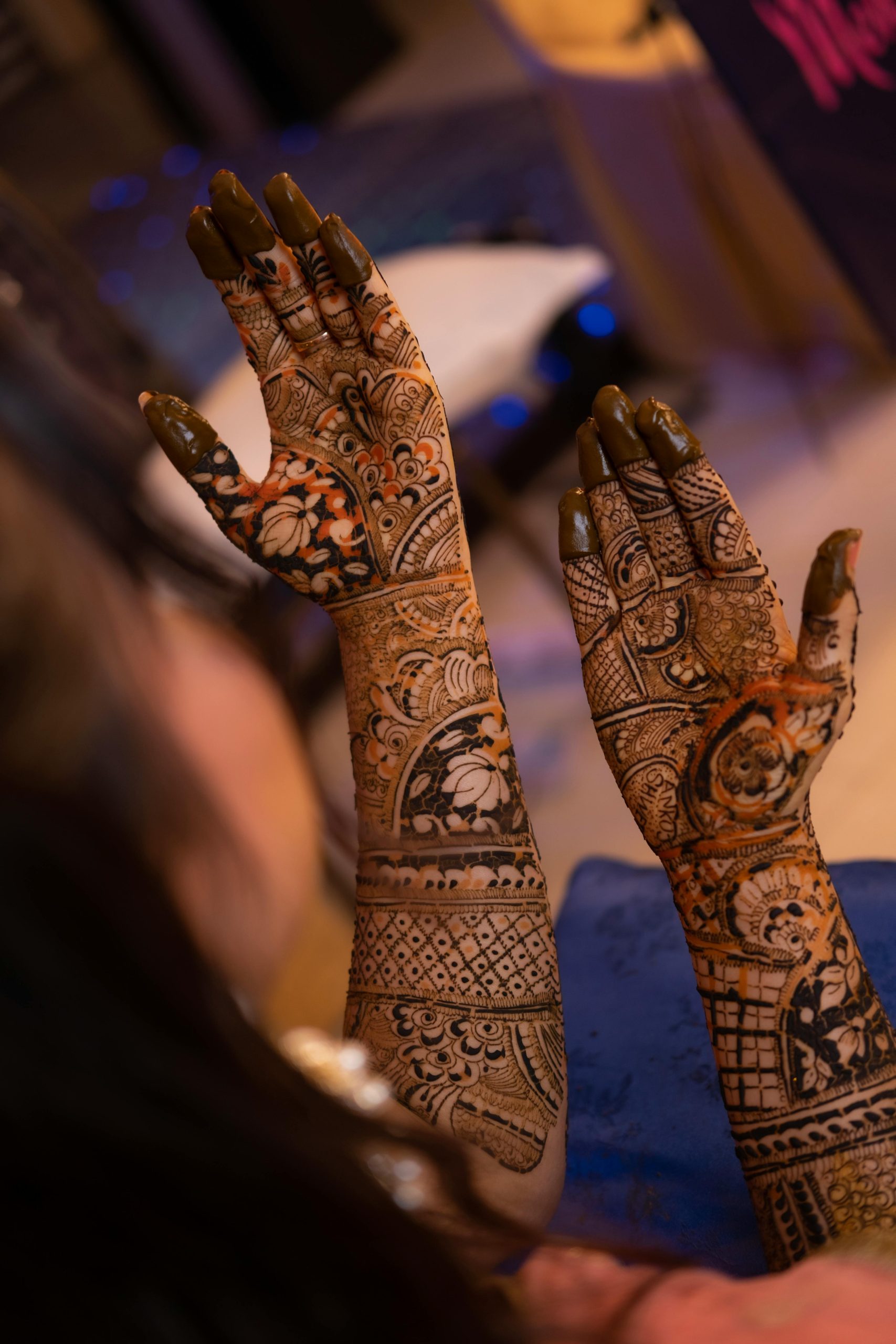
In studios across Lagos and beyond, artists blend traditional designs with new aesthetics, proving that henna isn’t just heritage but it’s also a growing contemporary trend.
Yet as henna grows in popularity, safety matters. Natural henna is made from crushed Lawsonia inermis leaves, blended with lemon juice or essential oils.
It stains the skin a deep orange that matures into brown-red tones. Always buy pure henna powder with clear ingredients, insist on a patch test, and check the henna artist’s hygiene and workspace practices.
Practical tip: Apply henna three or two days before your event to allow the color to deepen. Keep the paste on for several hours for a richer stain, and protect the design from water until it has completely dried. A little patience always brings out the best results.
Henna is no longer just beauty for brides. It’s art and beauty for everyone. It has moved from the margins of tradition to the mainstream of fashion, proving that some of the most timeless practices are also the most adaptable.
If you want art and beauty in whatever design you dream of or whether you’re curious about painless, temporary tattoos, styling your next shoot, or simply craving beauty with a twist, henna remains your best bet.