GDN SIDEBAR
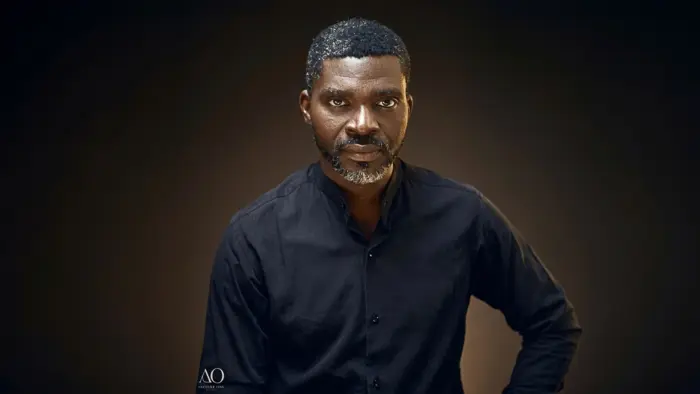
From major UK festival stages to original studio compositions, saxophonist and Music Director Ifeoluwa Awonugba is demonstrating how musical innovation, artistic leadership and instrumental creativity can redefine live Afrobeats performance.
In contemporary Afrobeats, where electronic production and rhythmic complexity increasingly shape musical identity, translating recorded hits into compelling live performances requires more than instrumental proficiency. It demands creative interpretation, technical precision and the ability to unite individual musicians into a cohesive artistic expression.
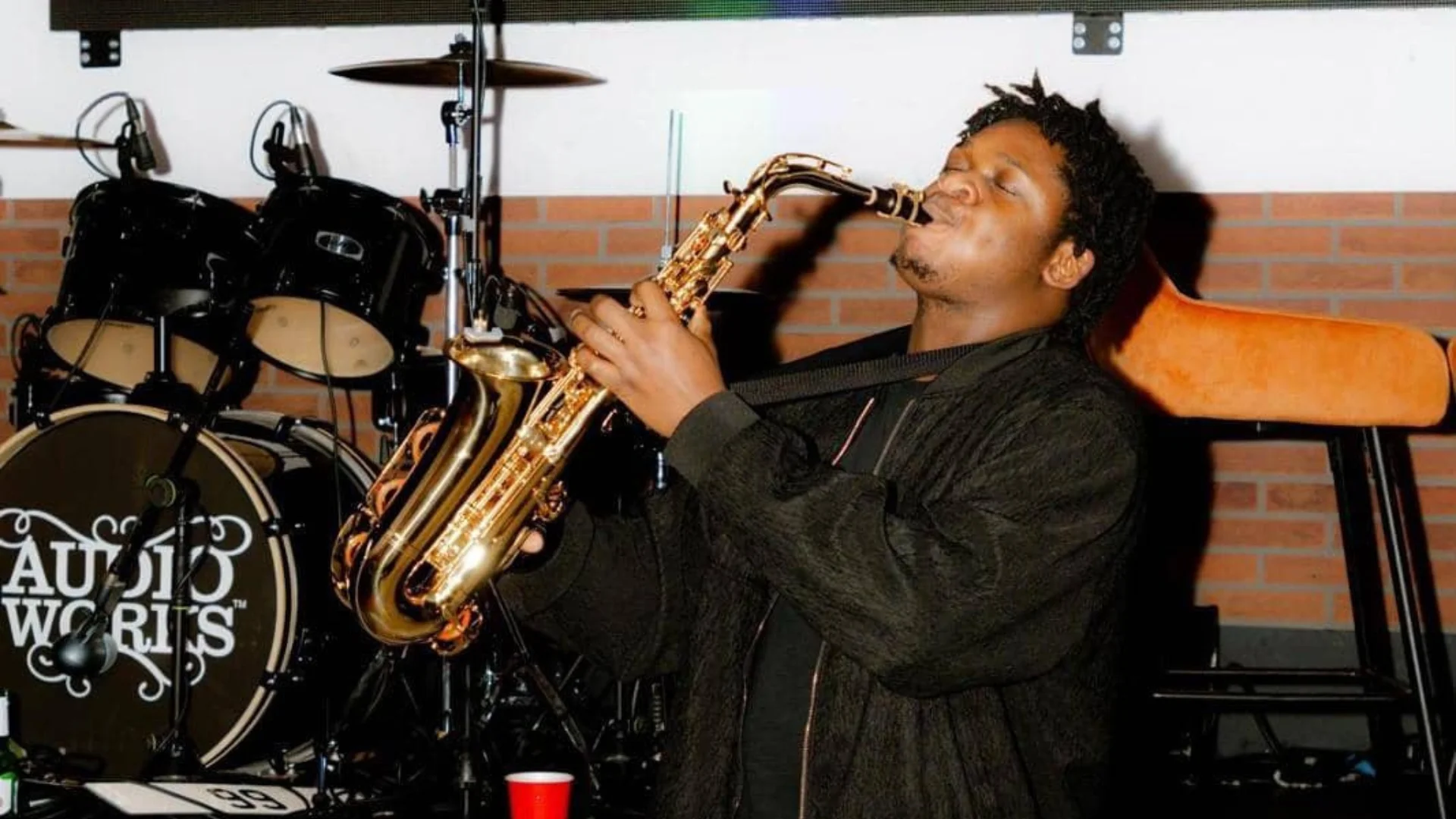
This is where Ifeoluwa Awonugba, professionally known as Ife Sax, has established his significance.
Since 2024, he has served as saxophonist and Music Director of The 99 Band, performing alongside UK-charting Afrobeats artist Great Adamz, whose music has received Grammy Awards consideration. His responsibilities extend beyond saxophone performance to developing live arrangements, coordinating instrumental sections, directing rehearsals and shaping the band’s overall musical identity.
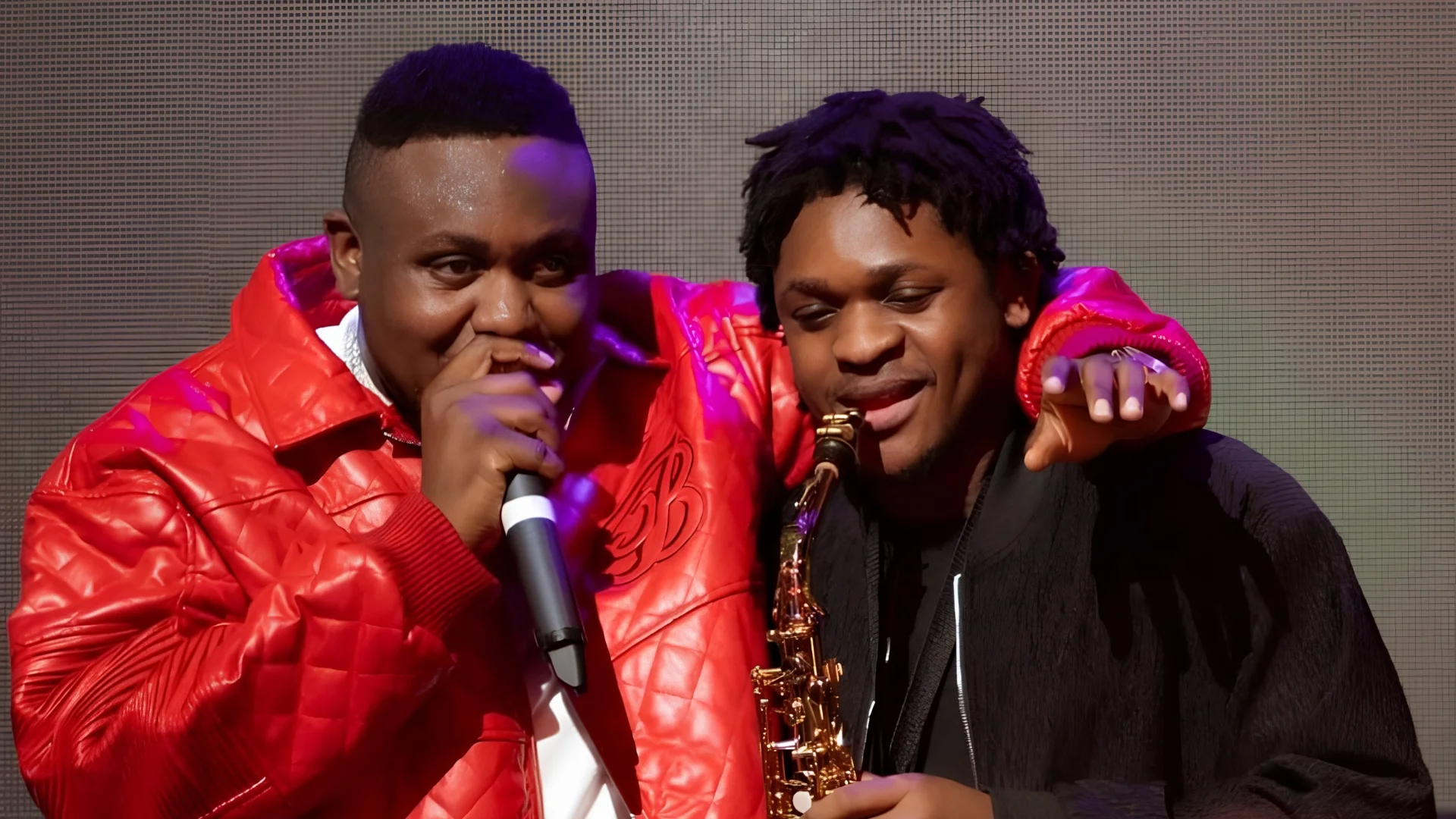
A defining feature of Ife Sax’s contribution is his ability to reinterpret studio-produced music for live audiences without compromising its original character.
Songs such as Chasing Moments, Kuron Be and Shake illustrate the technical and artistic demands of this process. While Chasing Moments requires sensitivity to vocal melody and instrumental space, Kuron Be demands rhythmic precision and energetic coordination. The layered Afrohouse textures of Shake present another challenge: translating electronic production into a convincing live-band arrangement.

The significance of his work lies not simply in reproducing recorded music, but in transforming it into a coherent live experience. His background in drums, keyboards and saxophone provides the rhythmic and harmonic understanding necessary to bridge these contrasting musical demands.
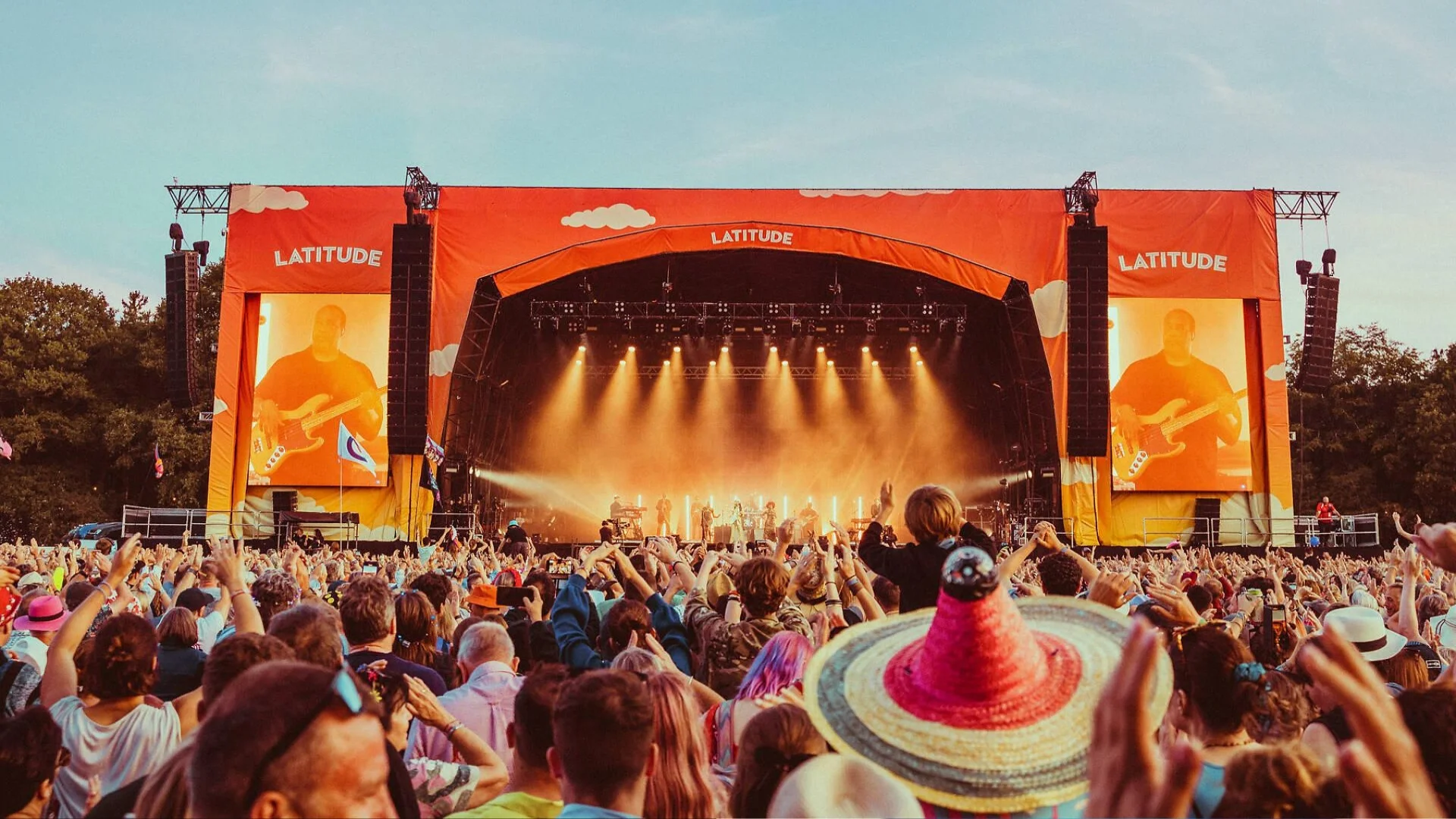
At Latitude Festival on 25 July 2025, where The 99 Band performed material including Fantastic, his contribution reflected both instrumental expression and the preparation required to deliver a coordinated festival performance. His involvement at Music Barn Festival in June 2025 further demonstrated the adaptability required across contrasting Afrobeats arrangements.
Perhaps the strongest measure of Awonugba’s contribution is the distinction between visible performance and the less visible creative decisions that make it successful.
As Music Director, he shapes ensemble arrangements, instrumental transitions, rehearsal structures and performance dynamics. These responsibilities determine how effectively musicians interact, how rhythmic changes are executed and how individual instrumental contributions become a unified sound.
This represents artistic leadership rather than routine instrumental participation. The ability to coordinate musicians while preserving the musical identity of an artist requires both creative judgement and practical authority.
By the sold-out Hearts & Harmony concert in Northampton on 14 February 2026, Awonugba had accumulated approximately two years of experience directing The 99 Band. Public acknowledgement of his musical preparation around the concert reinforced a leadership role already evident in the band’s earlier festival performances.
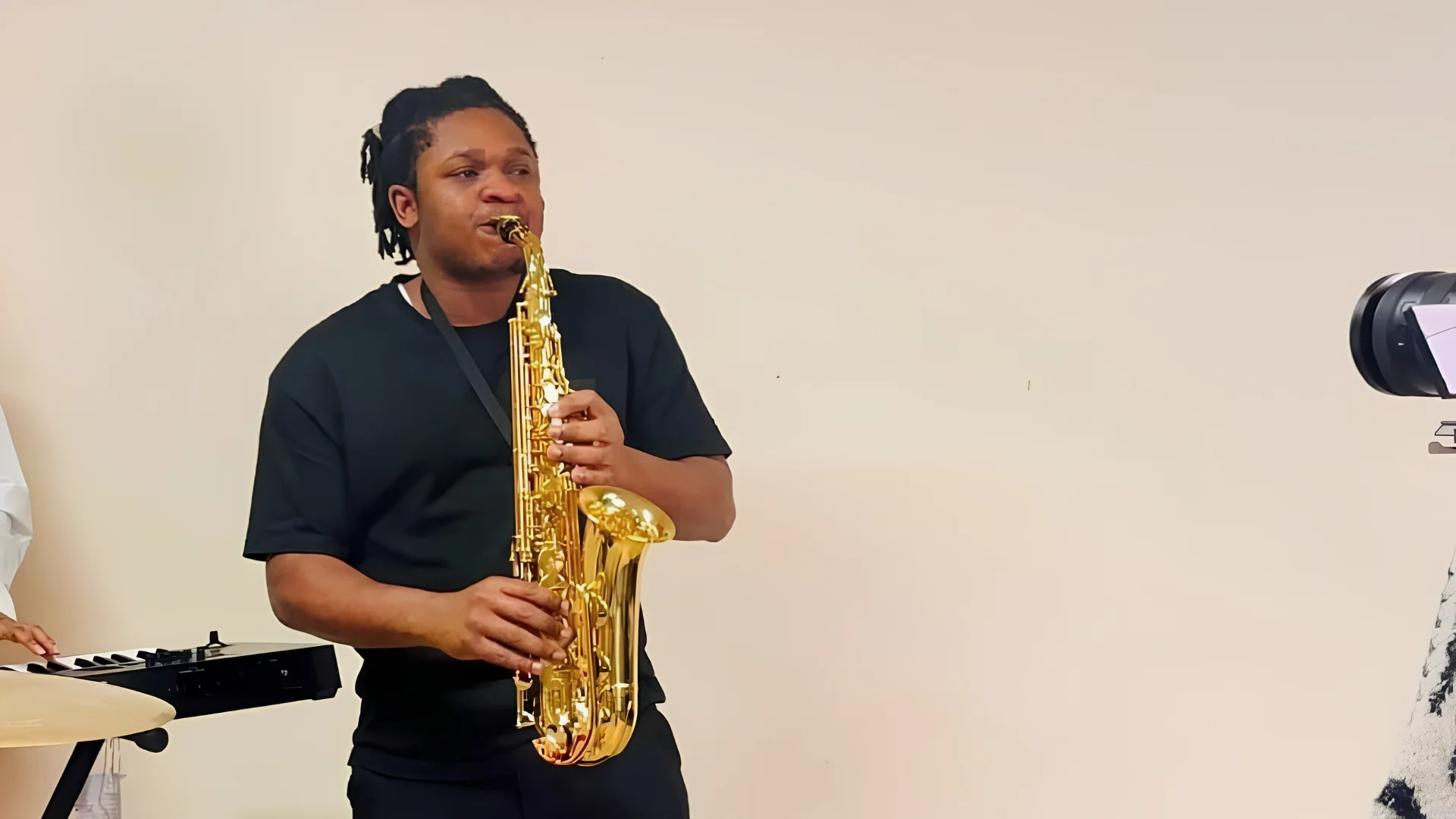
His influence highlights an important reality of contemporary live music: the quality of a performance is often determined by creative decisions made long before an audience hears the first note.
Beyond his work with The 99 Band, Awonugba’s contribution to Kadosh Yahweh Kadosh, featured on gospel artist Abayomi Adewuyi’s September 2026 album Reflection, provides evidence of his individual creative authorship.
He wrote, coordinated and performed the saxophone solo, contributing an original instrumental passage to a commercially released recording.
This distinction is significant. While live performance demonstrates interpretative ability and musical direction, original composition establishes a more direct contribution to the creation of musical material.

His work on Kadosh therefore expands the assessment of his musicianship beyond stage appearances, demonstrating the capacity to contribute original recorded music across genres.
Awonugba’s musical development began around 2007 in church, progressing from drums and keyboards to formal saxophone training, choir coordination and live-band leadership. That multidisciplinary foundation continues to inform his work across Afrobeats and gospel music.
His appearances at Latitude Festival, Northampton Music Festival, Music Barn and other UK performance venues reflect an expanding professional presence. Yet the deeper significance of his career is not measured by festival appearances alone.
It lies in the combination of three distinct contributions: instrumental performance, creative direction and original musical composition. Together, these demonstrate a musician capable of influencing both the sound audiences hear and the artistic processes through which that sound is created.
As Afrobeats continues to develop its international live-performance identity, musicians who can translate electronic production into sophisticated ensemble arrangements have an increasingly important role.
For Ife Sax, the saxophone remains his most recognisable instrument, but it does not fully define his contribution. His wider artistic value lies in shaping arrangements, directing musicians and creating original musical expression—work that positions him not merely as a performer within contemporary Afrobeats, but as an active contributor to its evolving live sound.