
GDN SIDEBAR
Nigerian musician and producer Cobhams Asuquo has called for deeper reflection on Nigeria’s relationship with the Grammy Awards, questioning whether the country is investing too much emotional and cultural value in an institution that does not belong to it.
Commenting on the backlash over Nigerian artists losing at the Grammys, Asuquo said the conversation requires honest introspection rather than outrage. He suggested that Nigerians may be placing excessive hope in a system that ultimately serves American interests.
He questioned whether the excitement around the Grammys benefits Nigerians as much as it benefits the host country, pointing out that African artists and fans spend heavily to attend the ceremony in Los Angeles. According to him, the pattern often involves anticipation built around nominations, only for expectations to be dashed when the final results are announced.
“When we show up, we show out. We rent hotels, buy drinks, buy clothes, we do all of these things. Then it’s like a carrot is dangling in front of us, and then the carrot goes away.”
Asuquo argued that rather than chasing validation from foreign institutions, Nigeria should focus on building its own global-standard platforms. He compared the Grammys to American sporting events like the Super Bowl, noting that such events are primarily national institutions that others aspire to participate in, not control.
“We need to grow something that is ours,” he said, adding that Nigeria should create cultural platforms strong enough to attract global attention on its own terms.

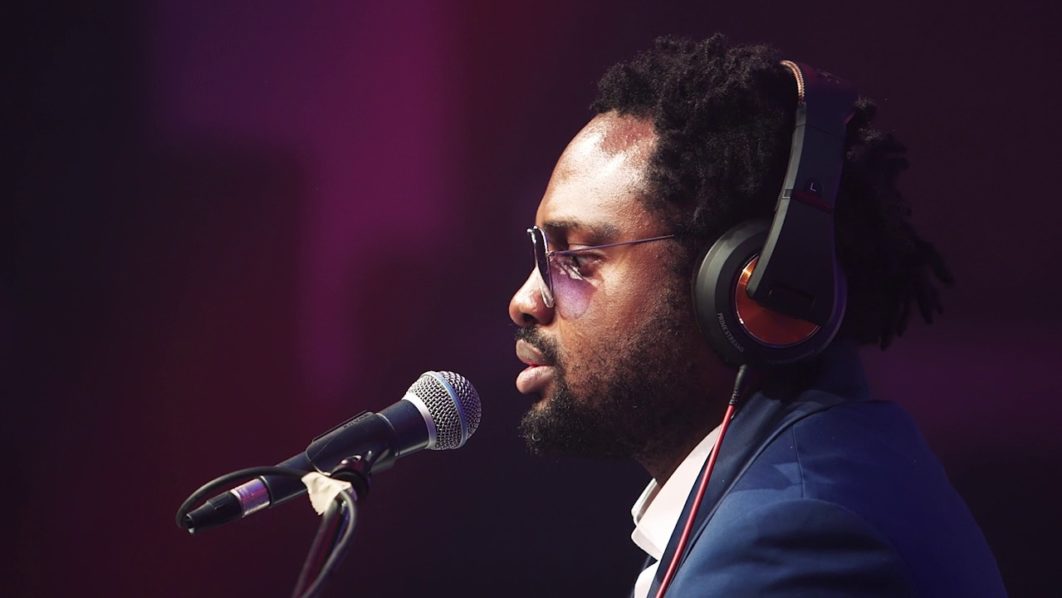
His comments come amid backlash from Nigerians following the 68th Grammy Awards, held on February 1 at the Crypto.com Arena in Los Angeles. The controversy was sparked by South African singer Tyla’s win in the Best African Music Performance category.
Tyla beat Nigerian heavyweights Davido, Burna Boy and Ayra Starr to clinch the award, a result that triggered widespread criticism on social media. Many Nigerians questioned the criteria used by the Recording Academy and accused it of misunderstanding African music and its cultural contexts.
The category itself, introduced in 2024, has remained a point of contention, with fans arguing that it lumps diverse African sounds into a single bracket while favouring artists with global pop appeal over those rooted in local genres.
Despite the backlash, the 2026 Grammys also marked a historic moment for African music. Afrobeat pioneer Fela Anikulapo-Kuti was honoured with a posthumous award, becoming the first African artist to receive the particular recognition.
A respected songwriter, producer and film composer, Asuquo has worked with artists such as Asa, Bez and Tiwa Savage, and is widely regarded as one of Nigeria’s most technically accomplished music professionals. He has also composed scores for films and television and is known for advocating inclusion in the creative industry.