GDN SIDEBAR
Nearly two decades after Plantain Boy and Dem Mama introduced a new, unfiltered voice from the Niger Delta to the world, Timaya reflects on survival and the responsibility that comes with building a legacy that outlives the spotlight.
For an industry that reinvents itself every few years, some artists stay long enough to become a reference point. Timaya is one of them. Not because he chased every trend, but because he built a sound and a persona that never pretended to be anything else. The grit, the swagger, the Niger Delta grit. The survival-first tone that made his early records feel like dispatches from a place the mainstream often looked away from.
Speaking with Guardian Life, Timaya reflects on a career held together by perseverance, self-belief, and a refusal to soften his story for comfort. While many of his peers struggled to adapt or quietly faded out, he has remained visible and vocal, guided by a sound and identity rooted firmly in where he comes from, and a hunger to keep growing without losing himself.
Longevity in Nigerian music is not a sentimental achievement. It requires work, strategy, and discipline to evolve without erasing your essence. And as Timaya tells it, the responsibility that comes with staying power is bigger than hit songs.
THE MAKING OF A VOICE
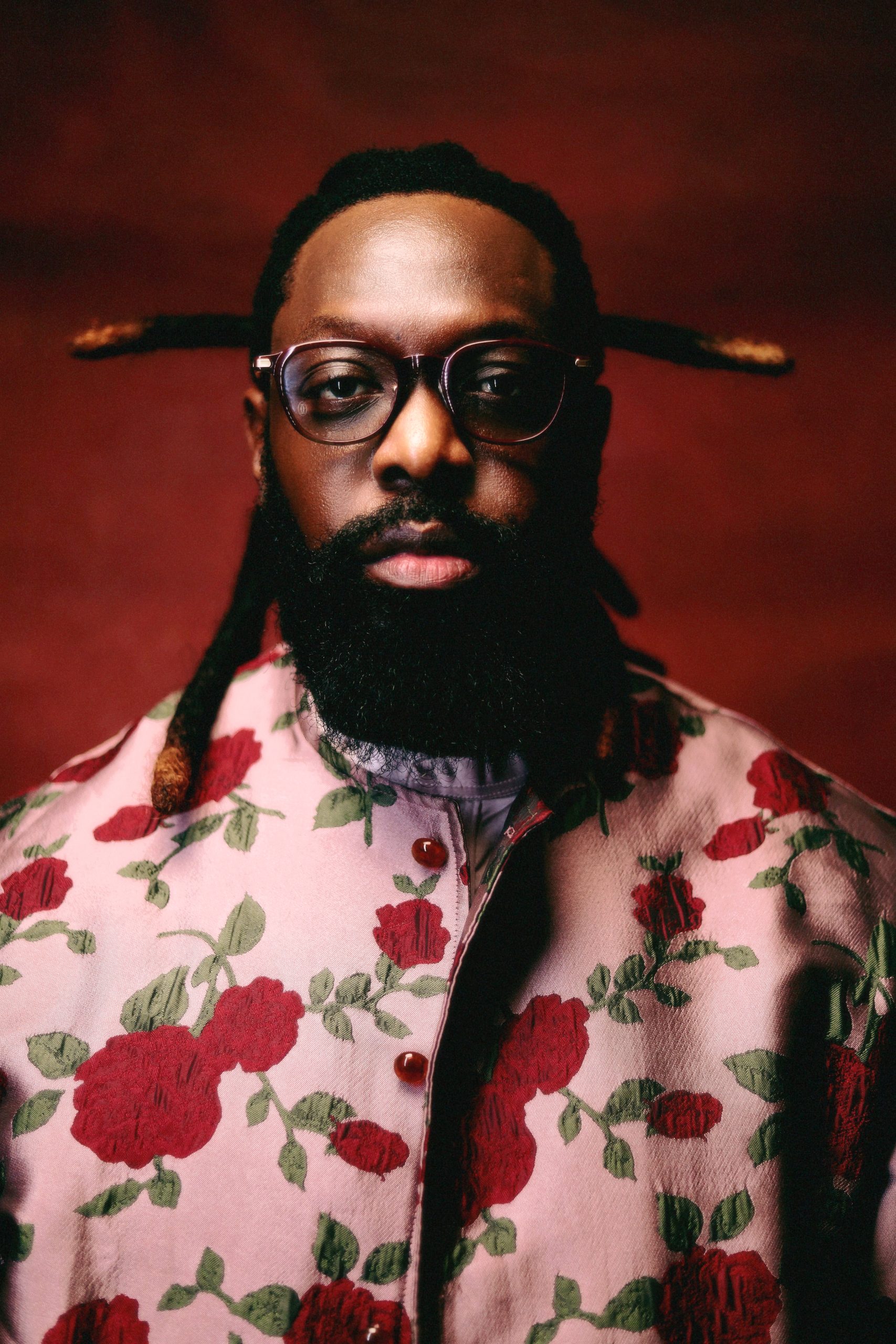
Born Inetimi Alfred Odon on August 15, 1980, Timaya is widely known as the Egberi Papa 1 of Bayelsa, an artist whose career has been shaped by the realities and rhythm of southern Nigeria. Although born in Port Harcourt, he is deeply rooted in his native state, Bayelsa, a place that provided both the stories and the resilience that would later define his music.
“Growing up in Bayelsa shaped everything,” he tells Guardian Life. “The struggle, the resilience, the stories. It gave me my voice and gave me confidence. My music comes from real experiences and real people, and that is something I will never lose.”

He began his professional music journey in the early 2000s, working as a backup singer for Eedris Abdulkareem, an apprenticeship that gave him an early look at the industry’s realities. But the education didn’t come with ease. Timaya’s path demanded persistence and a stubborn commitment to his own truth.
Timaya’s breakthrough came in 2005 with the release of Dem Mama, a record that did not try to be palatable. It directly confronted marginalisation, anger, and the political wound of the Niger Delta with the kind of rawness that made it impossible to ignore.
In referencing the 1999 Odi massacre, one of the darkest chapters in Bayelsa’s history, in his music, Timaya positioned himself early as an artist willing to tackle uncomfortable truths others avoided. It was a bold move for a rising act, but this choice set him apart from his peers, earned him respect early in his career, and established the foundation of his brand: music as testimony, not decoration.
And it was also a warning shot. Timaya was not asking the industry to accept him. He was arriving as he was.
TRUE STORY: A LANDMARK DEBUT
The success of Dem Mama paved the way for Timaya’s debut album, True Story, released in 2007. The 11-track project blended highlife and dancehall, carried by songwriting that leaned into autobiography instead of fantasy. With hits like Dem Mama, Ogologomma, Honey Na Money, Pomporo, Bayelsa, and Wayo People, the 34-minute album was packed with narrative weight.
True Story was his way of showing people who he really was, without exaggeration or pretence. The album established him as a formidable voice in Nigerian music. It also helped expand what mainstream Nigerian pop could hold, proving there was room for authentic stories from regions that mainstream artists often ignored. It proved there was room — commercial room — for stories from regions and communities often treated like footnotes. It also announced something else: Timaya was not building a moment. He was building a lane.
“Looking back, I knew music was my life the moment people started singing my songs back to me word for word,” he says. “That feeling never left.”
It is the kind of statement that sounds romantic until you consider what it implies: years of showing up, releasing, performing, failing, refining, and continuing. That connection validated him.
Beyond music, Timaya frames his brand as an extension of culture, community, and business. He mentions fashion, live events, mentorship, and investing back home are areas he is actively exploring.
“The Timaya brand is about culture, community, and business. Fashion, events, mentorship, and investing back home are things I am actively looking at,” he says.
BAYELSA AS IDENTITY AND DUTY
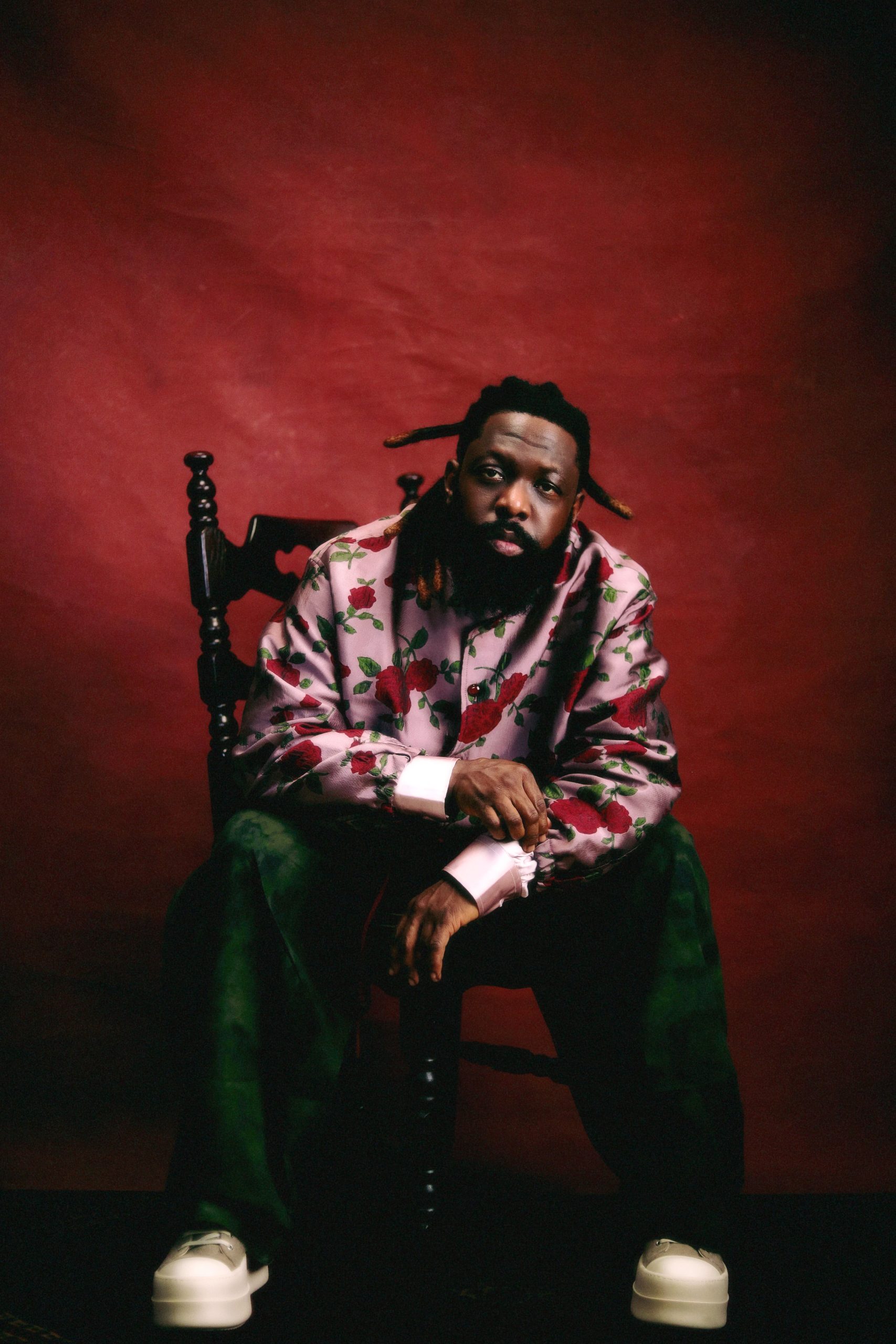
Timaya does not speak about Bayelsa like a convenient origin story. He speaks about it like a calling. The state remains the heart of his identity, and in recent years, he has tried to turn that identity into something tangible through Timaya Day.
Hosting Timaya Day in his home state, he says, is his way of giving back. “Timaya Day in Bayelsa is very personal to me,” he tells Guardian Life.
“That is home. It is culture, history, and pride. Hosting it there is my way of giving back and reminding the world where my story started. It is bigger than a concert. It is a celebration of our people.”
He describes the early editions as simple, with no pressure or grand expectations. But over time, the event has grown into a more structured, high-profile festival, attracting larger crowds and leaving a wider impact. In his telling, that growth mirrors his own evolution: from survival to structure, from noise to institution.
Timaya Day, held every January 1 in Bayelsa, has become a tradition within the Timaya brand and a cultural fixture for fans who travel to experience it.
“The first Timaya Day in Bayelsa started as a simple idea to celebrate with my people. No pressure, just love.”
Over time, Timaya Day has grown into a more structured experience, attracting larger crowds and creating a wider impact. That evolution, he explains, mirrors his own growth as an artist.
In late 2025, he expanded the idea with an Abuja edition he described as more “corporate and mixed,” compared to Bayelsa’s “raw and emotional” energy.
Experiencing both, he says, has taught him how to meet audiences where they are without compromising his identity. The goal, however, remains consistent: scale.
“I see Timaya Day becoming a nationwide festival,” he says. “The vision is to take it across states and even beyond Nigeria. It is about building a legacy that outlives me.”
Looking ahead, he envisions Timaya Day growing into a nationwide festival, and eventually an international one. “The goal is to build a legacy that exists beyond me,” he says.
SOUND, INFLUENCE, AND EVOLUTION
Timaya’s music sits at the intersection of dancehall, reggae, and Afrobeats, genres that have allowed him to carry both grit and groove. “Dancehall and reggae gave me my foundation, while Afrobeats gave me room to evolve,” he reflects.
“Over time, the sound has matured, but the energy is still there,” he says. “I adapt with the times without losing who I am.”
That balance, adaptation without dilution, is a core reason he has stayed relevant. His sound grows with each era, reflecting maturity and industry awareness, yet remaining unmistakably Timaya. There is always an edge, always a southern insistence, always the sense that his music has some autobiographical elements.
“Songs like Dem Mama and Plantain Boy reflect me the most,” he explains.
The latter, a grass-to-grace record about his past as a plantain seller, sits in the public imagination as one of his most definitive identity statements. Released in 2010 on his third studio album, De Rebirth, Plantain Boy is a “grass-to-grace” story about his past as a plantain seller. Both tracks, he explains, are deeply personal and continue to define his artistic identity.
“They tell my story honestly. From the streets to the stage, those songs represent my journey and my truth.”
OWNERSHIP AND INDEPENDENCE
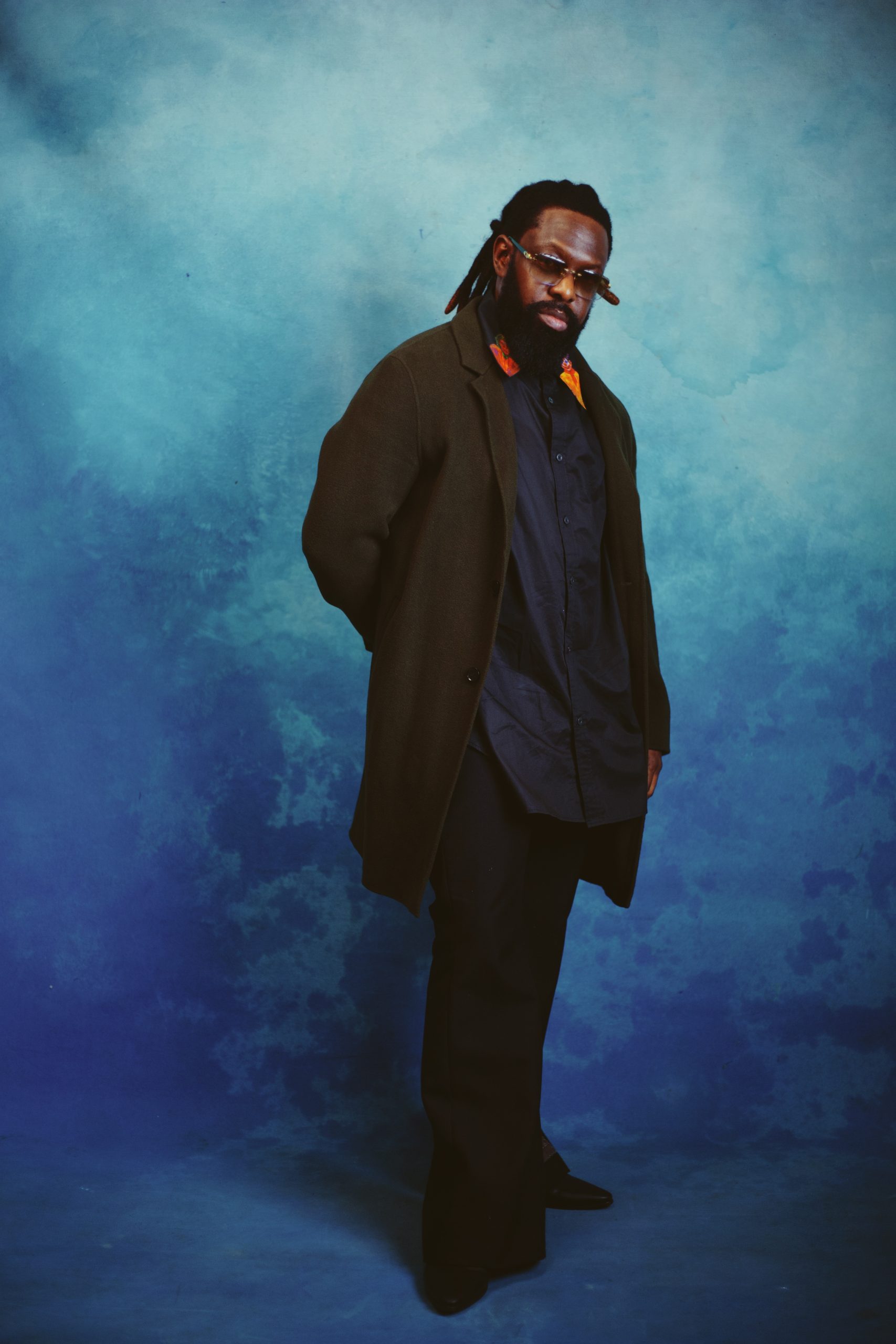
Timaya’s legacy is not only artistic; it is structural. He founded Dem Mama Records (DM Records) following the success of his debut single. The label gave him full control over his music, prioritising control in an industry where many artists learn too late how costly dependence can be.
Ownership, for him, was always about freedom and sustainability, allowing him to shape his career on his own terms and support others along the way.
His label has been associated with early breaks for artists like Patoranking and Runtown, part of a wider pattern in Timaya’s career: keeping one eye on his own lane, and another on how to build pathways for others.
“The biggest challenge was breaking through and staying relevant. I overcame it by evolving, listening to the streets, and never getting too comfortable.”
AFRICAN MUSIC ON THE GLOBAL STAGE
Having witnessed the industry’s shift from local acclaim to global demand, Timaya speaks about African music’s rise with the confidence of someone who has waited long enough to see the tide turn.
Artists are no longer asking for permission. They’ve built their own platforms and audiences, and the world is paying attention. African music now commands respect.
To him, the shift is overdue, but also instructive: global attention does not replace local grounding. You still need identity, community, and discipline.
LESSONS IN LONGEVITY
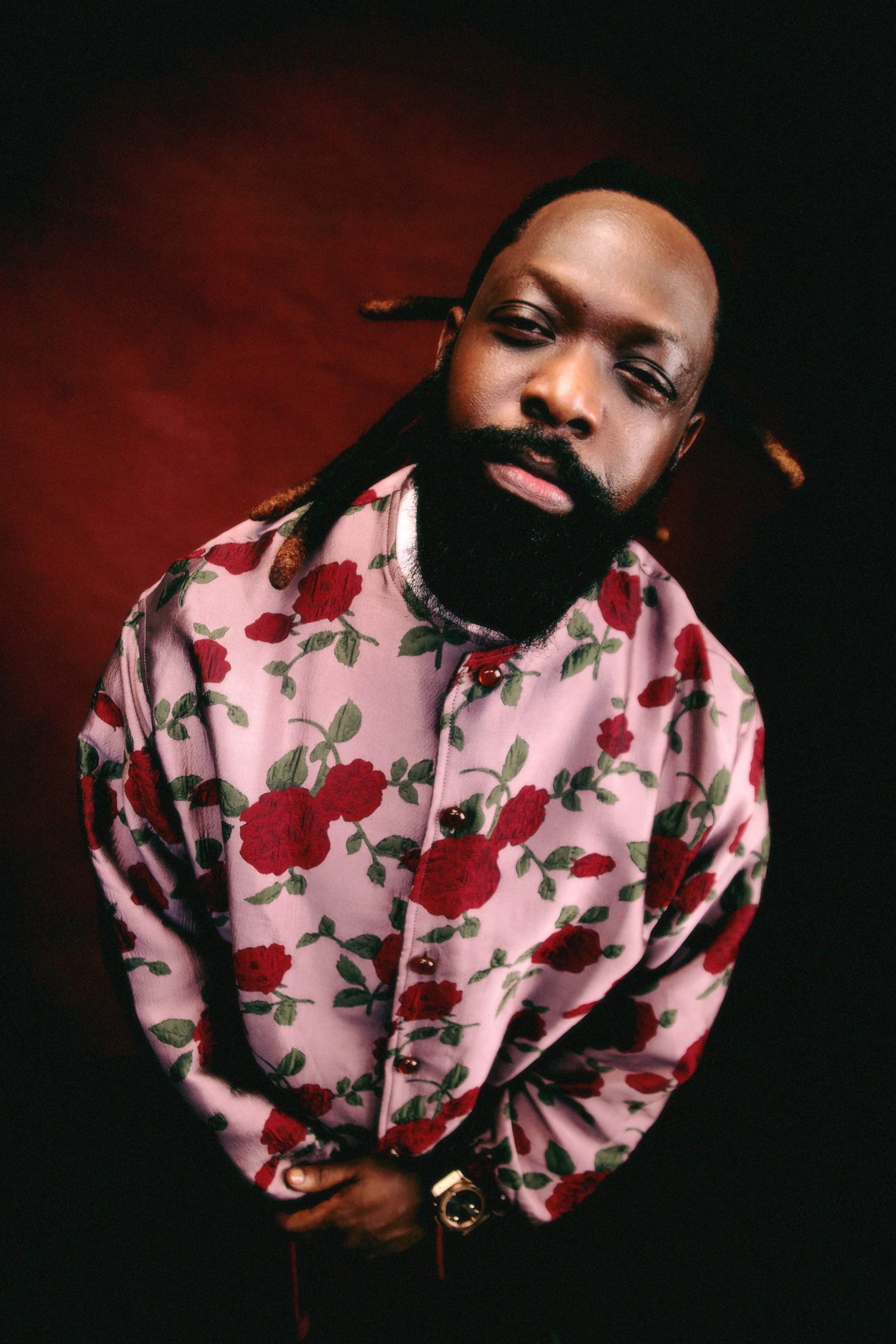
When asked for advice for emerging artists, Timaya keeps it simple: “Stay true to yourself, work hard, and be patient. The industry will test you, but consistency and discipline will always win.”
His biggest challenge, he explains, was breaking through and then staying relevant. “I overcame it by evolving intentionally, listening closely to the streets, and never getting too comfortable. You must stay alert.”
Looking ahead, Timaya wants to take more creative risks, including collaborations outside Africa and exploring new sounds.
“I want to take more creative risks with collaborations outside Africa and explore new sounds without fear,” he tells Guardian Life. “Growth comes from stepping outside your comfort zone.”
Reflecting on fame, he is clear-eyed. Fame does not fix everything. Staying grounded, protecting one’s peace, and remembering why the journey began, he adds, are lessons he has learned with time.
“I would tell my 20-year-old self that fame does not fix everything. You must stay grounded, protect your peace, and remember why you started.”
And perhaps that is the cleanest summary of Timaya’s current era: still standing, yes, but more importantly, still building: songs, systems, spotlight, and legacy. The kind of legacy that doesn’t need noise to remain present.