GDN SIDEBAR
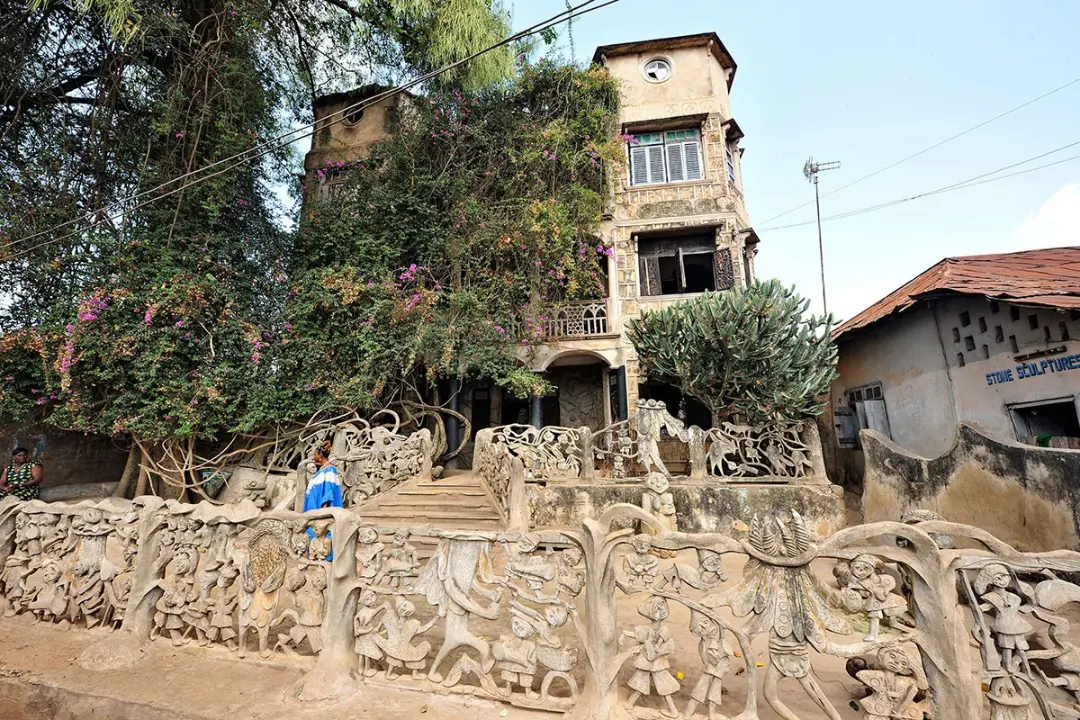
On Ibokun road in Osogbo, Osun State, there is a house that stands out from the buildings around it. Its walls, staircase and other parts of the property carry traces of the woman who lived there for decades.
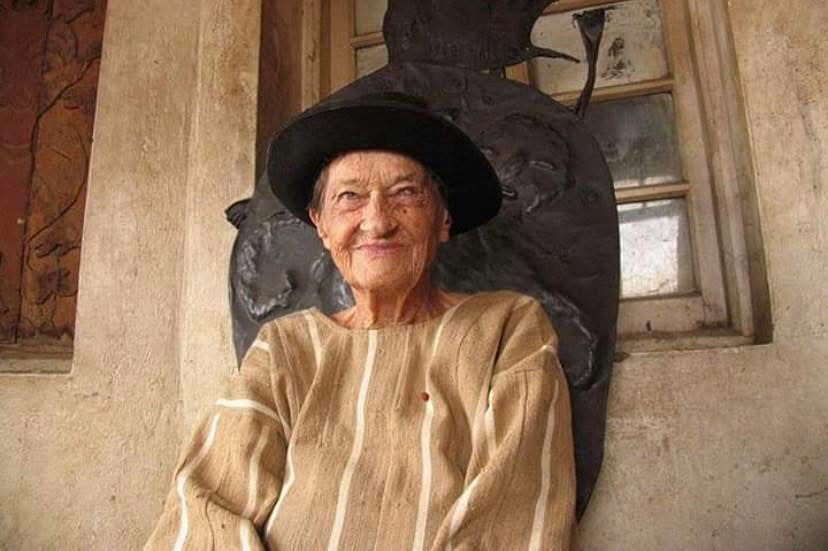
This was the home of Susanne Wenger, the Austrian-born artist who came to Nigeria in the late 1940s and eventually settled in Osogbo. She became known for her work with Yoruba artists and traditionalists and her close relationship with the Osun-Osogbo Sacred Grove.
Wenger was also known as Adunni Olorisha after becoming involved in Yoruba traditional religion. She lived at the house, known as Ilé Abólúbọ̀dé, from 1957 until her death in 2009.
Today, the property remains connected to her life and work and offers visitors a closer look at the woman behind many of the artworks and cultural projects associated with Osogbo.
The story of Susanne Wenger
Wenger was born in Austria and first came to Nigeria in the late 1940s. Her interest in the country’s culture, particularly Yoruba traditions, grew over time.
In 1957, she and her then-husband, German-Jewish scholar Ulli Beier, moved into the house on Ibokun road.

Her life in Osogbo soon became closely tied to the city’s artists and traditionalists. She became particularly interested in Yoruba religion and was eventually initiated as a priestess, taking the name Adunni Olorisha.
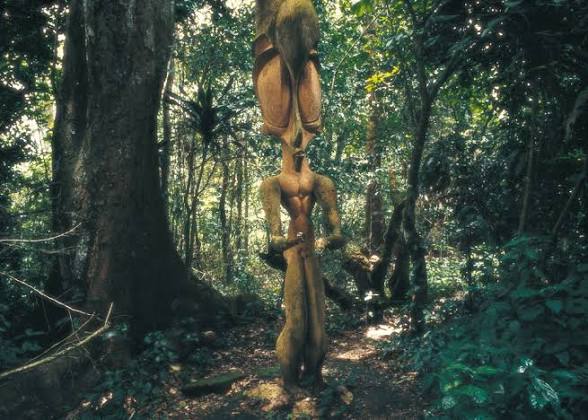
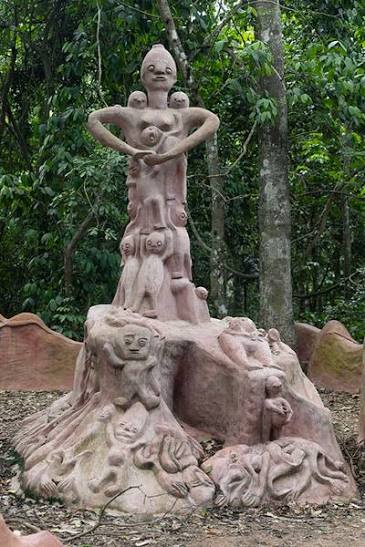
Her relationship with the Osun-Osogbo Sacred Grove became an important part of her work. She worked with local artists and traditionalists to restore shrines and create sculptures based on Yoruba deities, stories and beliefs.
This work became associated with the New Sacred Art movement. Many of the sculptures created through the movement can still be found around the Osun-Osogbo Sacred Grove.
Wenger also became involved in efforts to protect the grove, which was later listed as a UNESCO World Heritage site.
Inside the house
The house is interesting even before you begin looking at the artworks.
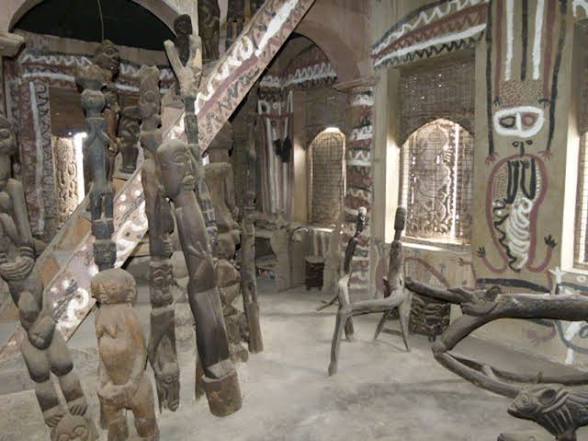
It has features of Brazilian-style architecture, a style found in several older buildings in southwestern Nigeria. The cement screen fence around Wenger’s house was created by Adebisi Akanji, an artist associated with the New Sacred Art movement.
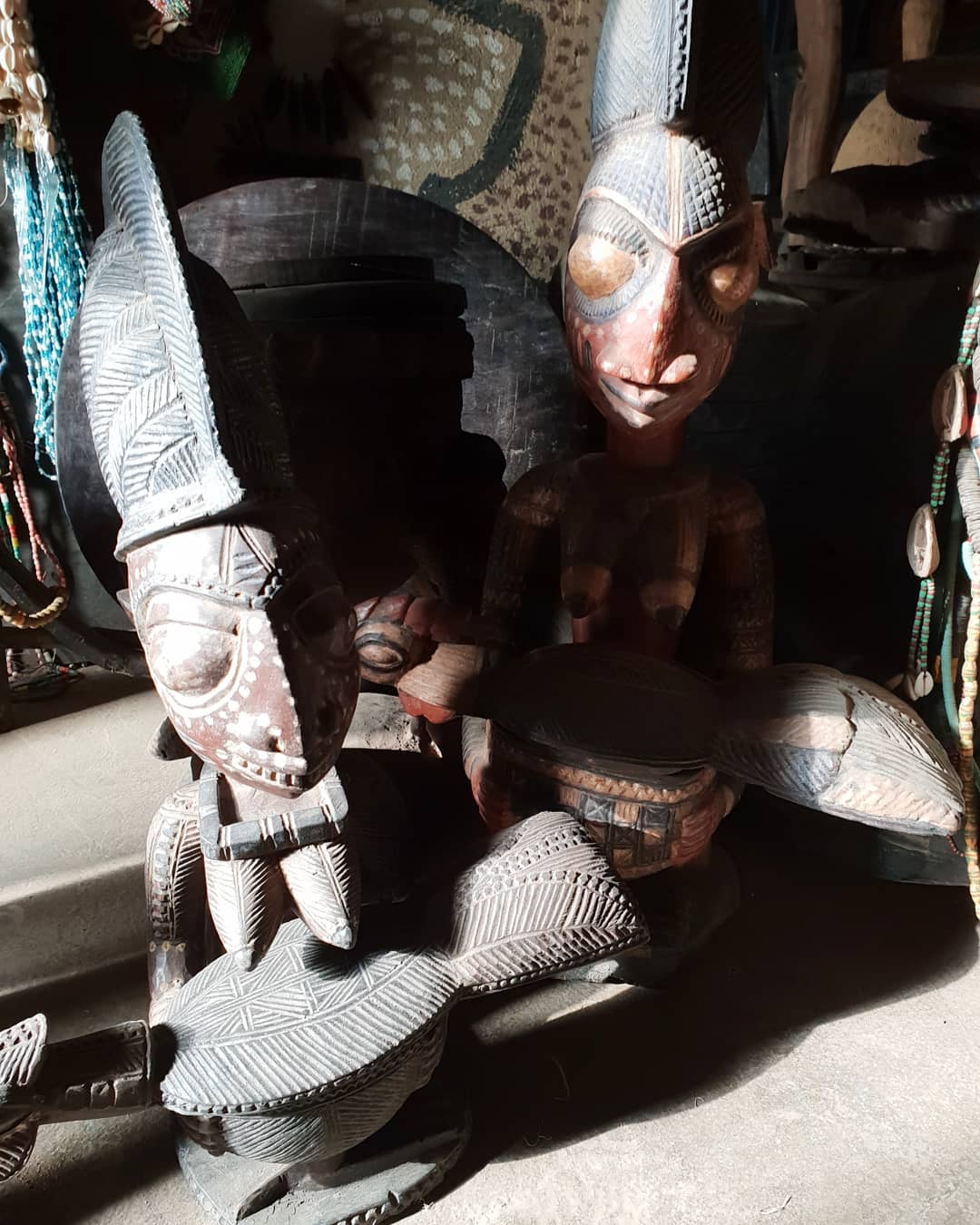
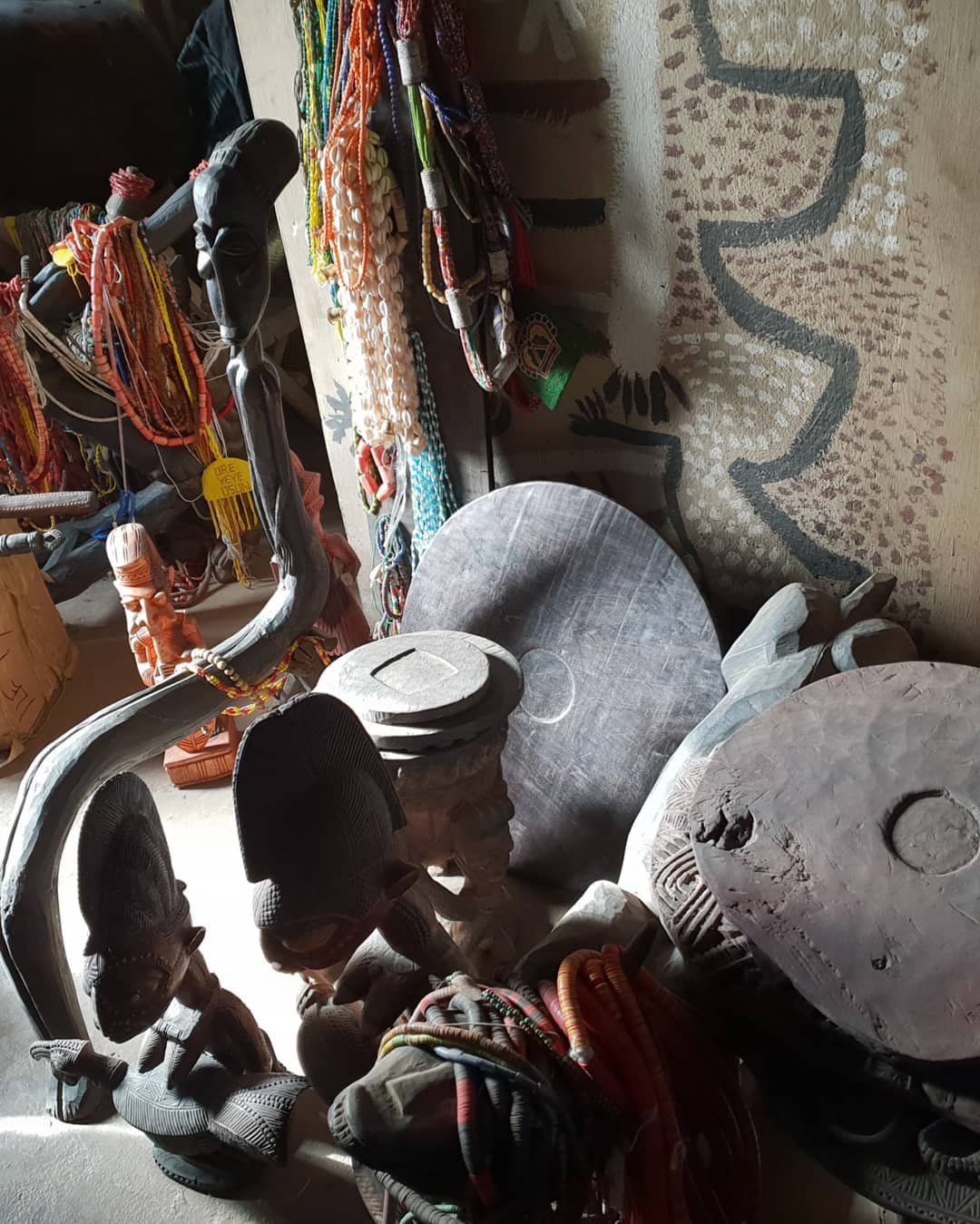
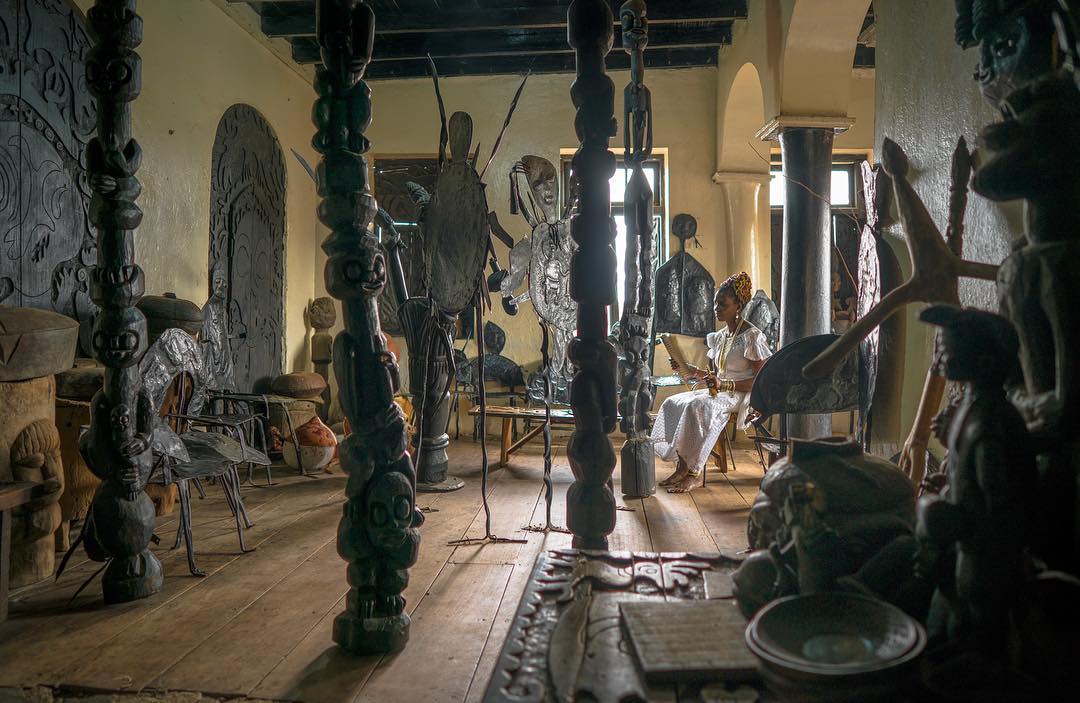
Inside, sculptures and decorative details appear in different parts of the property rather than being kept in one room. The staircase, walls, furniture and other areas carry artistic details, while some of Wenger’s living quarters have been preserved.
This is what separates the house from a regular museum. The artworks are not simply displayed for visitors; they are part of the building where Wenger actually lived.
The property has also remained connected to the community around it and has been used for traditional gatherings. Visitors should therefore remember that it is still a home and cultural space. Not every part may be open to the public, so asking before entering certain areas is important.
What to see around Osogbo
A visit to Wenger’s house can be combined with a trip to the Osun-Osogbo Sacred Grove.
The grove stretches along the Osun River and contains shrines, sculptures and other sacred sites connected to Osun, the Yoruba deity associated with fertility and the river.
Seeing both places gives visitors a better understanding of Wenger’s story. The house offers a look at where she lived and the artistic environment around her, while the grove shows the larger body of work she helped create with local artists and traditionalists.
Osogbo is also known for the annual Osun-Osogbo Festival, which attracts worshippers, tourists and cultural enthusiasts to the city.
Outside the festival period, visitors can explore the city’s markets, food spots and other places connected to its history and culture.
How to get there
Susanne Wenger’s House is located at 41A Ibokun Road, Osogbo, Osun State.
Travellers coming from Lagos can drive, hire a private vehicle or take a commercial bus to Osogbo. From the city centre, a local taxi or other public transport can take you towards Ibokun Road.
If you are visiting for the first time, asking people nearby for directions can also be helpful.
The house does not operate like a conventional museum with fixed public opening hours, so it is best to make enquiries before travelling.
Before you go
There is no fixed entrance fee currently listed for Susanne Wenger’s House. A tourism listing says there is no admission charge, although visitors can give a tip to the person showing them around.
The property was reported to be under renovation and closed to visitors during a 2026 survey, so confirm its current status before making the trip.
Photography has reportedly been allowed, but visitors should still ask before taking pictures, especially when photographing people, private areas or activities connected to traditional religious practices.
For anyone interested in art, history and Yoruba culture, Susanne Wenger’s former home is a worthwhile stop when exploring Osogbo. It offers a glimpse into the life of an artist who made Nigeria her home and left a lasting mark on the city’s cultural history.