 Follow Us on Google News
 Follow Us on Google Discover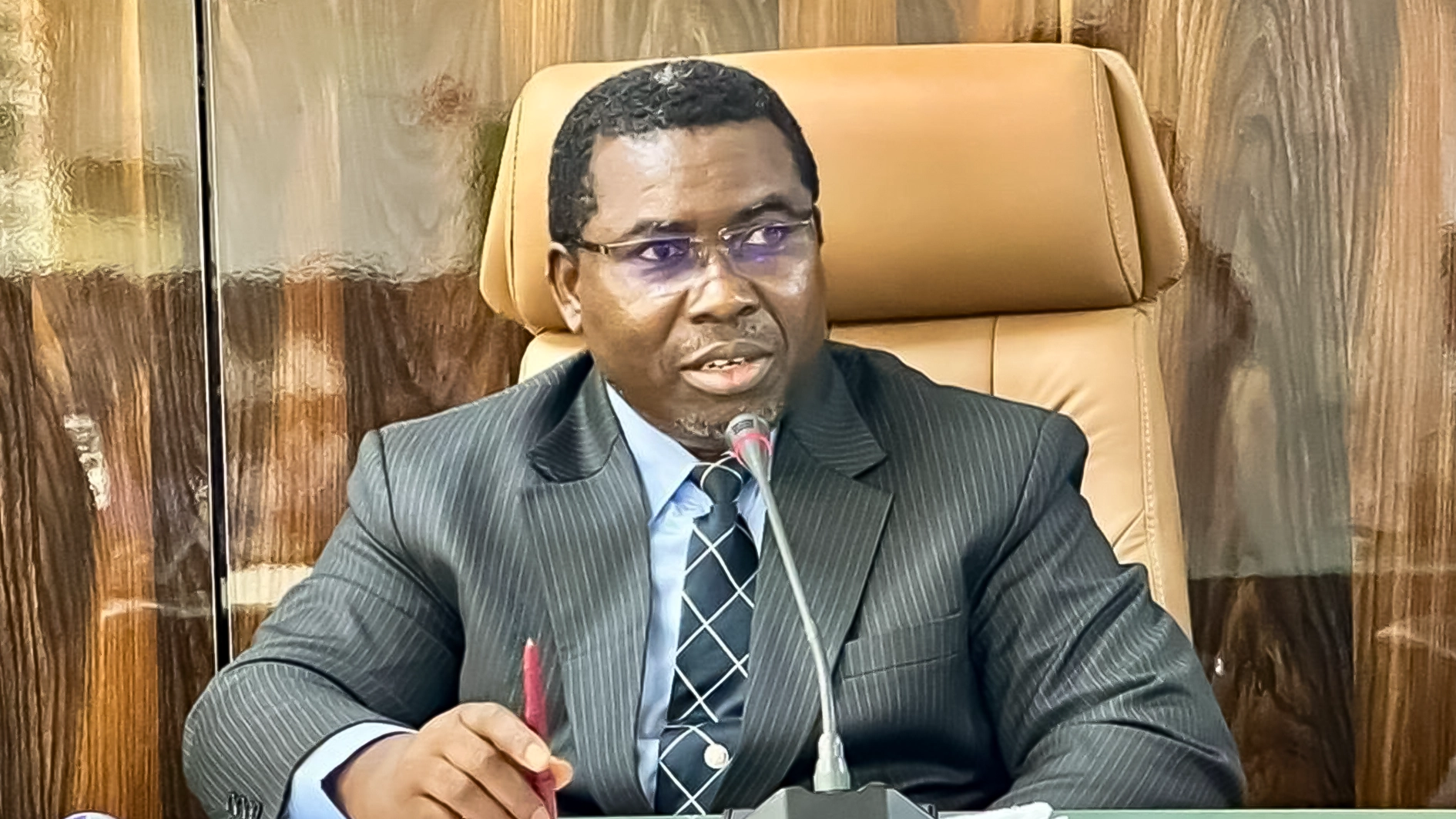
As ACSPN, others seek collaboration to curb misinformation
Independent National Electoral Commission (INEC) is considering a comprehensive audit of its electoral technology systems and a mock presidential election ahead of the 2027 General Elections.

This came as the Association of Communication Scholars and Professionals of Nigeria (ACSPN), the National Orientation Agency (NOA) and other stakeholders called for stronger collaboration to combat misinformation and disinformation.
The INEC Chairman, Prof. Joash Amupitan, disclosed this in Abuja while delivering the keynote address at the ongoing 13th Annual International Conference of ACSPN.
The conference, themed “Media, Technology and Elections in Africa: Navigating Digital Disruption and the New Dynamics of Electoral Communication,” is bringing together communication scholars, media practitioners, policymakers, electoral authorities and other stakeholders to examine the changing digital environment and its implications for elections and democratic governance.
Amupitan, who was represented by National Commissioner, Prof. Sanni Adam, said the proposed measures were part of efforts to address concerns over the performance of electoral technology during the 2023 general elections.
He said the proposed technology audit would cover system redundancy, penetration testing and disaster recovery planning, stressing that the Commission needed to identify and address vulnerabilities before they were exposed during an election.
The INEC chairman also disclosed that the Commission was exploring the possibility of conducting a mock presidential election ahead of 2027 to provide a full test-run of voter accreditation, results transmission and results viewing under conditions designed to mirror election day as closely as possible.
Amupitan said the measures were a direct response to concerns raised about the reliability of electoral technology during the 2023 elections, adding that INEC intended to approach the 2027 election with systems that had been thoroughly tested.
He, however, cautioned that even flawless technical performance on election day would not, by itself, protect the integrity of the election, noting that threats had increasingly shifted to the information ecosystem surrounding elections.
Also, the Director General of the National Orientation Agency (NOA), Lanre Issa-Onilu, called for stronger collaboration among the media, fact-checkers, academia, civil society organisations, security institutions and technology platforms to tackle misinformation and other forms of information disorder ahead of the 2027 elections.
Issa-Onilu said the growing influence of technology on political communication had created opportunities for greater citizen participation but had also heightened the spread of misinformation, disinformation and hate speech.
He urged Nigerians to develop the habit of pausing before forwarding political content and asking basic questions about its origin and credibility.
This is just as the National President of ACSPN, Prof. Rotimi Williams Olatunji, called for an integrated electoral information integrity framework to tackle AI-driven disinformation and other emerging digital threats ahead of the 2027 elections.
Olatunji said the rapid development of AI, social media, digital platforms, algorithms and data-driven political communication was transforming how citizens received information, formed opinions and participated in democratic processes

