 Follow Us on Google News
 Follow Us on Google Discover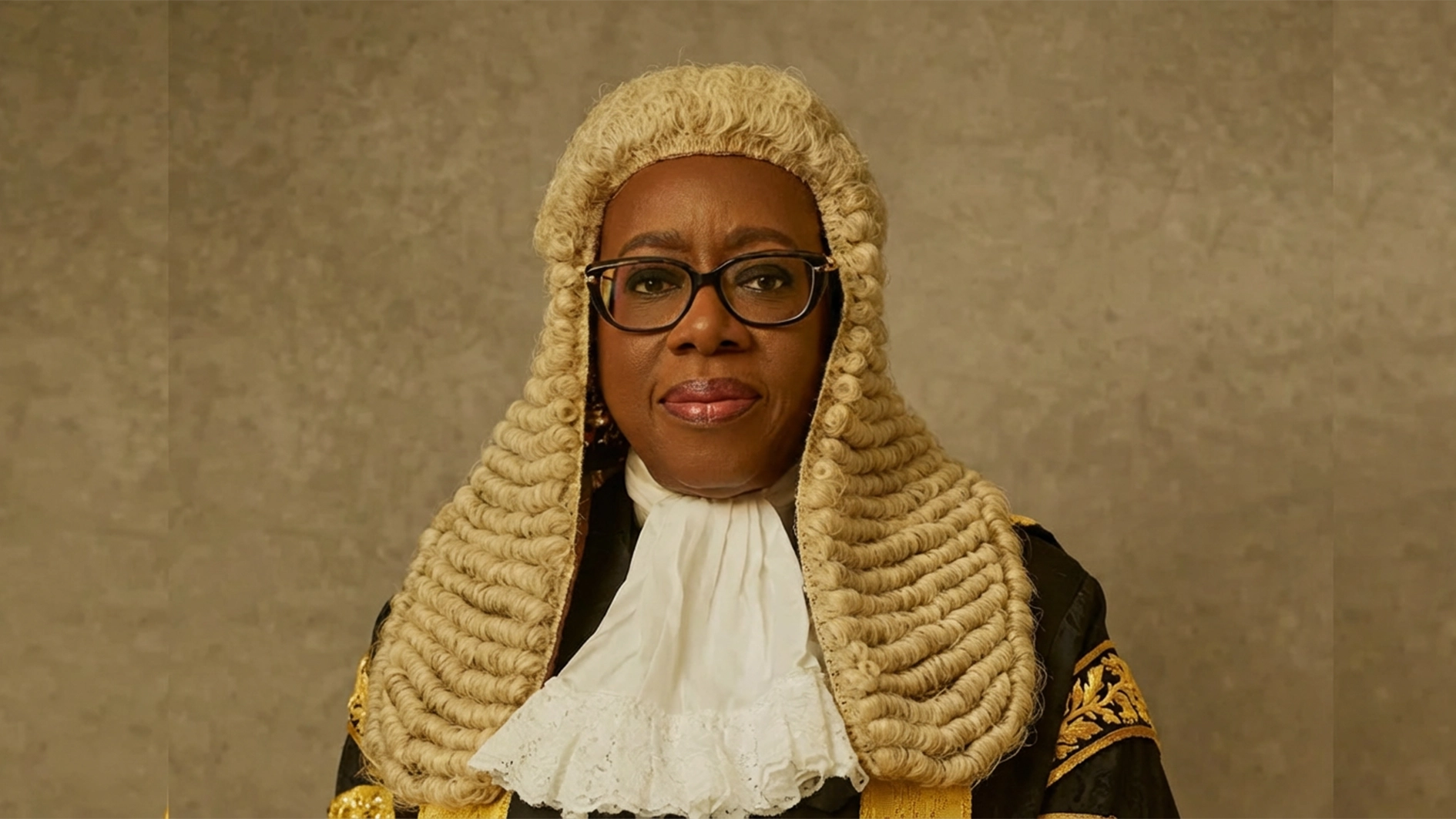
Stakeholders in the media, legal, and electoral sectors have called for urgent reforms in Nigeria’s judicial sector, particularly in pre- and post-election litigation processes, insisting that courts should not determine election winners but rather uphold the mandate freely given by citizens through their votes at the ballot box.
They expressed concerns that the courts were undermining citizens’ votes through controversial election judgments, warning that growing political influence over the judiciary is weakening public confidence in the rule of law.
They made the call at the third edition of the Tunji Braithwaite Symposium, held in Lagos to commemorate 10 years since the passing of the late human rights lawyer and activist, Dr Tunji Braithwaite.
Speaking at the event, themed ‘The Judiciary & Electoral Integrity in Nigeria: Safeguarding Free, Fair, & Credible Elections for Democratic Consolidation’, prominent rights lawyer and former Chairman of the National Human Rights Commission (NHRC), Prof. Chidi Odinkalu, argued that where a court invalidates an election, the matter should ordinarily be returned to voters through a fresh election rather than allowing the court to effectively determine the winner.
He cited several election disputes in which, according to him, courts awarded electoral victories to candidates who did not win at the polls.
He recalled a 2007 Supreme Court decision involving a dispute over the Peoples Democratic Party (PDP) primaries, arguing that while the court was justified in addressing the party’s decision to replace the candidate who had won its primary, it should have ordered a fresh contest rather than installing a candidate who had not been presented to voters.

He also pointed to the 2019 governorship election dispute in Zamfara State, alleging that the court overturned the electoral outcome after the All Progressives Congress (APC) had won approximately 72 per cent of the votes and awarded the governorship to Bello Matawalle, who he said had secured about 22 per cent.
Retired Appeal Court Judge, Justice Oludotun Adefope-Okojie, on her part, stressed that courts should avoid overturning election results on technical grounds and allow the will of the voters to prevail.
She said Nigeria’s weak internal democracy within political parties was responsible for much of the litigation that eventually reached the courts.
“It is not right. A man wins the votes. On technicalities, you give it to somebody else. That is very wrong,” she said.
In his address, Arise TV host, Rufai Oseni, predicted that the 2027 General Elections could be more contentious than the 2023, particularly in terms of electoral disputes and litigation, arguing that poverty, unemployment, concerns over the electoral process and political patronage could significantly shape the process.
He argued that widespread poverty and unemployment had created conditions in which some young Nigerians depend on political patronage and financial handouts.
“If not, we’ll have consequences, and I can take a bet on it. 2027 will be worse than 2023,” he said.

