 Follow Us on Google News
 Follow Us on Google Discover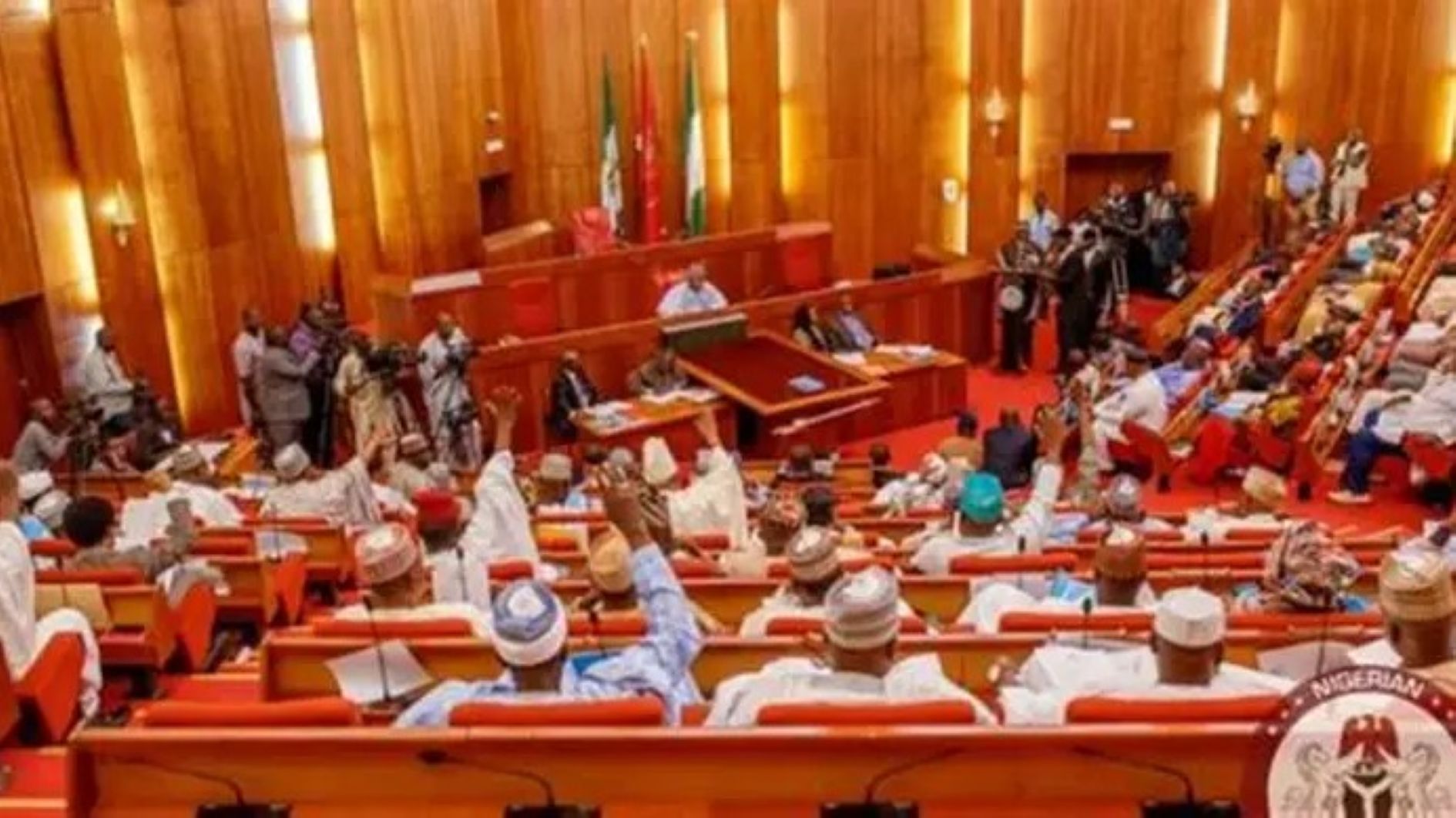
•Odinkalu calls proposed law most dangerous, authoritarian since 1999
•Alleges threat to churches, mosques, humanitarian groups
Coalition of 90 Nigerian, African and international civil society and human rights organisations yesterday called on the National Assembly to immediately withdraw the proposed Foreign Aids (Regulation, Transparency and Disclosure) Bill, 2026 and other pending legislative proposals they described as repressive.
The group warned that their passage would accelerate democratic decline and erode constitutional freedom ahead of the 2027 general elections.
The Foreign Aid (Regulation, Coordination, Transparency and Disclosure) Bill, 2026 (SB. 1034), sponsored by Senator Ibrahim Hassan Dankwambo, seeks to establish a comprehensive legal framework for regulating foreign aid in Nigeria.
The bill proposes creating a Foreign Aid Regulatory Commission to register, monitor, audit, and oversee all foreign grants, donations, and technical assistance.
It mandates government agencies, NGOs, CSOs, and relevant private entities to register foreign aid within a stipulated period, integrate donor-funded projects into national and state budgets, requires public disclosure of funding and project details, and prescribes penalties for fund diversion, false disclosures, and unauthorised projects.

The coalition, led by the Executive Director of the Civil Society Legislative Advocacy Centre (CISLAC), Mr Musa Rafsanjani, made the demand at a joint press conference in Abuja, where it accused the Federal Government of shrinking civic space through restrictive laws, arbitrary arrests, judicial harassment and politically motivated prosecutions since President Bola Tinubu assumed office in May 2023.
The organisations argued that the pending bills, particularly Senate Bill 1034 seeking to regulate foreign aid and another proposal compelling social media companies to establish physical offices in Nigeria, would hand sweeping powers to the executive to monitor, regulate and potentially shut down civil society organisations, media organisations and digital platforms.
According to the coalition, the proposed laws would significantly undermine the constitutional rights to freedom of expression, peaceful assembly, association, media freedom, access to information and democratic participation.
Rafsanjani said the legislative proposals should not be viewed in isolation but as part of what he described as a broader pattern of authoritarian practices aimed at expanding executive control over civic life while weakening public scrutiny and democratic accountability.
The coalition expressed concern that the timing of the proposed laws, with the 2027 General Elections approaching, could create an atmosphere of fear and self-censorship capable of undermining electoral transparency and citizen participation.
It argued that independent advocacy, investigative journalism and public scrutiny were not threats to democracy but essential safeguards for constitutional governance and accountability.
MEANWHILE, Human Rights lawyer and activist, Chidi Anselm Odinkalu, has described the proposed NGO regulation bill before the National Assembly as “the most dangerous piece of legislation” to come before the legislature since Nigeria’s return to democratic rule in 1999.
Odinkalu, a former chairman of the National Human Rights Commission, raised the alarm over the bill in a video message monitored by The Guardian, urging Nigerians to pay close attention to its provisions and potential implications for civic organisations and citizens.
He said the bill had passed first and second readings and was currently at the committee stage, with a public hearing expected to be organised by the relevant committee of the House of Representatives.
According to him, the proposed legislation is broad enough to affect virtually every non-governmental activity, including churches, mosques, schools, universities, hospitals, humanitarian organisations and community-based initiatives across the country.
He said the bill could have far-reaching consequences for humanitarian operations across the country, including interventions in the North-East, Southeast, South-South, Middle Belt, North-West and South-West.
Odinkalu alleged that the bill would subject fundraising and the management of resources by such organisations to extensive government control, including requirements for clearance and oversight from Abuja.
He particularly expressed concern about religious organisations and informal community savings schemes, arguing that even collections made by churches and mosques to support members could come under the proposed regulatory framework.
He also warned that the proposed regulatory framework could have implications for freedom of expression and civic participation, particularly if organisations perceived as critical of government could be denied registration or renewal.
He therefore urged Nigerians to engage their elected representatives and senators and make their views known before the bill proceeds further.
MEANWHILE, some Nigerians on X has applauded the recent move to regulate NGOs in the country. Commenting under a recent post by the Executive Director of Center for Social Justice Chidi Odinkalu, Chukwumaeze Duke said: “There has to be some level of accountability from them, especially from the perspective of National Security. Lots of the so-called NGOs are just CIA agents. My problem is the incompetence of Abuja to manage it.”

