 Follow Us on Google News



 Follow Us on Google Discover
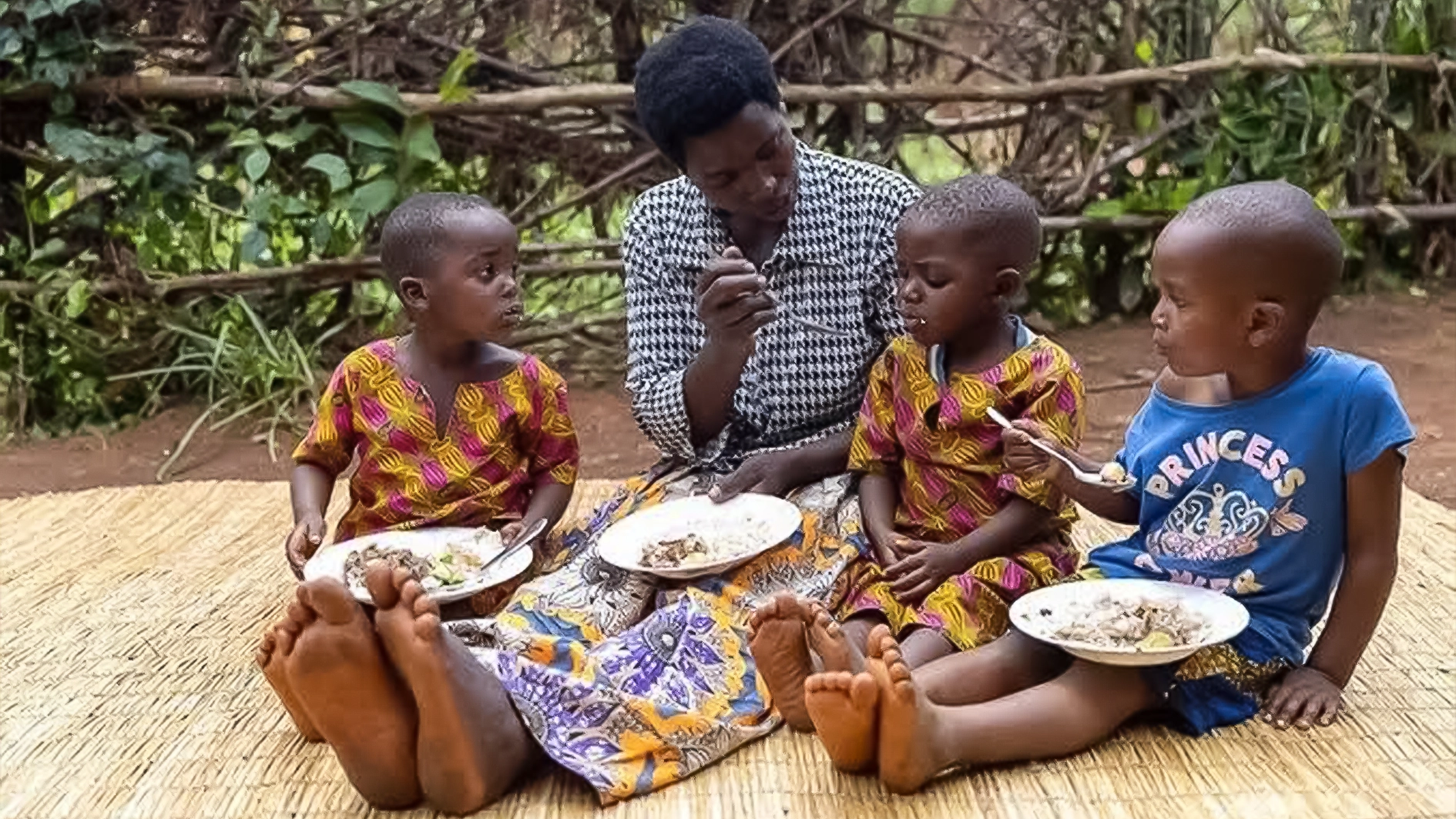
The Association for Childhood Education Practitioners (ACEP) and other stakeholders have called for innovative approaches to food production, distribution and consumption to improve children’s nutrition, support brain development and promote sustainable food systems.
The National President of ACEP, Hajia Islamiyat Olaitan Oshodi, made the call at the association’s 2026 World Food Day celebration at the Ministry of Youth and Social Development Centre, Surulere, Lagos. The event also coincided with her 70th birthday.
Speaking on the theme, “Healthy Food for Healthy Children: Building Sustainable Food Systems for Every Child,” Oshodi said adequate nutrition was fundamental to children’s physical growth, cognitive development and educational performance.
The event attracted education stakeholders and dignitaries, including guest Speaker Dr.Hakeem Shittu, Executive Chairman, Lagos State Universal Basic Education Board; Chairman of the occasion, Asiwaju Charles B. Mendes; ACEP National Secretary, Chief Tunde Ogunsola; Lagos State Coordinator, Hon. Gboyega Oyeleke; and Chairman of ACEP’s Academic Advisory Board, Emeritus Professor Pai Obanya.
Others included Hon. Abdul Wahab Alawiye-King, Special Adviser to the President on Public Affairs and Strategy; the keynote speaker, Hon. Abiodun Muftau Yinusa, Special Adviser to the President on Agriculture and Food Security; and the Royal Mother of the Day, HRH Erelu (Dr.) Abiola Abiola Dosumu.14 Awards were given to notable personalities who have supported ACEP from inception till date
She noted that hungry children often struggle to concentrate and participate in classroom activities, stressing that education and nutrition are inseparable.

Oshodi called for increased support for farmers, local food production and climate-smart agriculture, urging government, schools, parents, development partners and the private sector to work together to improve children’s access to nutritious meals.
“When we nourish a child, we strengthen a future; when we invest in nutrition, we invest in national development,” she said.
She expressed appreciation to the Lagos State Ministry of Agriculture and Food Systems for donating 25 bags of garri to support the initiative. She also acknowledged contributions from ACEP Agro Allied Foods, award recipients, the State Universal Basic Education Board (SUBEB), partners, families and friends.
As part of its humanitarian intervention, ACEP distributed food packages containing rice, beans and garri, alongside exercise books, jotters, pens, snacks, drinks and other gifts, to more than 300 pupils and teachers from beneficiary schools.
The beneficiary schools included Adeniyi Primary School, AUD Nursery and Primary School, Obeleb Nursery and Primary School, Wesley Schools 1 and 2, Subola Nursery and Primary School, Great Learners Academy, Nursery and Primary School, and Al Haleem College Lagos
The distribution was aimed at supporting vulnerable pupils and teachers by providing food items, household supplies and educational materials by ACEP
to support classroom learning.
The snacks, drinks and gifts also formed part of the association’s effort to make the celebration memorable for the beneficiaries.
In an interview, Titilayo Babatunde, a United Kingdom-based Nigerian administrator and sibling of the celebrant, called on the government to provide financial support to non-governmental organisations (NGOs) assisting vulnerable people.
She said some NGO operators relied on personal resources to sustain humanitarian programmes, urging authorities to support their efforts to reach more beneficiaries.
Babatunde also encouraged families facing financial difficulties to explore small businesses, part-time jobs and home-based services to supplement their income.
She advised Nigerians to research unfamiliar dietary choices and make informed decisions about family nutrition.
Speaking at the event, Hon. Emmanuel Gboyega Oyeleke, identified as ACEP’s Southwest Coordinator, urged the government to make primary and secondary education free and compulsory to reduce the number of out-of-school children.
He also encouraged families to embrace nutritious traditional foods and home gardening to improve children’s health and reduce household food expenses.
Oyeleke stressed that government and other stakeholders must work together to protect children’s rights and improve access to education and nutritious meals.
Similarly, Dr (Mrs) Felicia Ovuwude, an ACEP award recipient, urged parents to embrace traditional African foods as affordable options for improving children’s nutrition.
Ovuwude, proprietress of Great Learners Academy and Learning Partners Nursery and Primary School, said families could grow vegetables in available spaces around their homes and use locally sourced ingredients to prepare nutritious meals despite economic challenges.
She commended Oshodi for the celebration with an initiative that educated children and parents about healthy eating while supporting vulnerable pupils.
Ovuwude, who said she had spent 32 years in education, stressed the importance of helping parents make informed food choices that support children’s growth and development.
Another presentation at the event highlighted the nutritional value of indigenous foods, including bitter leaf, fluted pumpkin, popularly known as ugu, and African spinach. The speaker encouraged Nigerians to prioritise fresh, locally available and balanced meals rather than assume that packaged and modern foods were necessarily better than traditional alternatives.
The presentation also promoted home gardening as a practical way to improve access to fresh produce and reduce household food costs.
The celebration underscored the importance of collaboration among government, families, schools and NGOs in improving children’s nutrition, expanding educational opportunities and supporting vulnerable communities.

