 Follow Us on Google News



 Follow Us on Google Discover
• Stakeholders advocate home-grown innovation, sustainable healthcare financing
• African nations agree to keep borders open despite Ebola outbreak
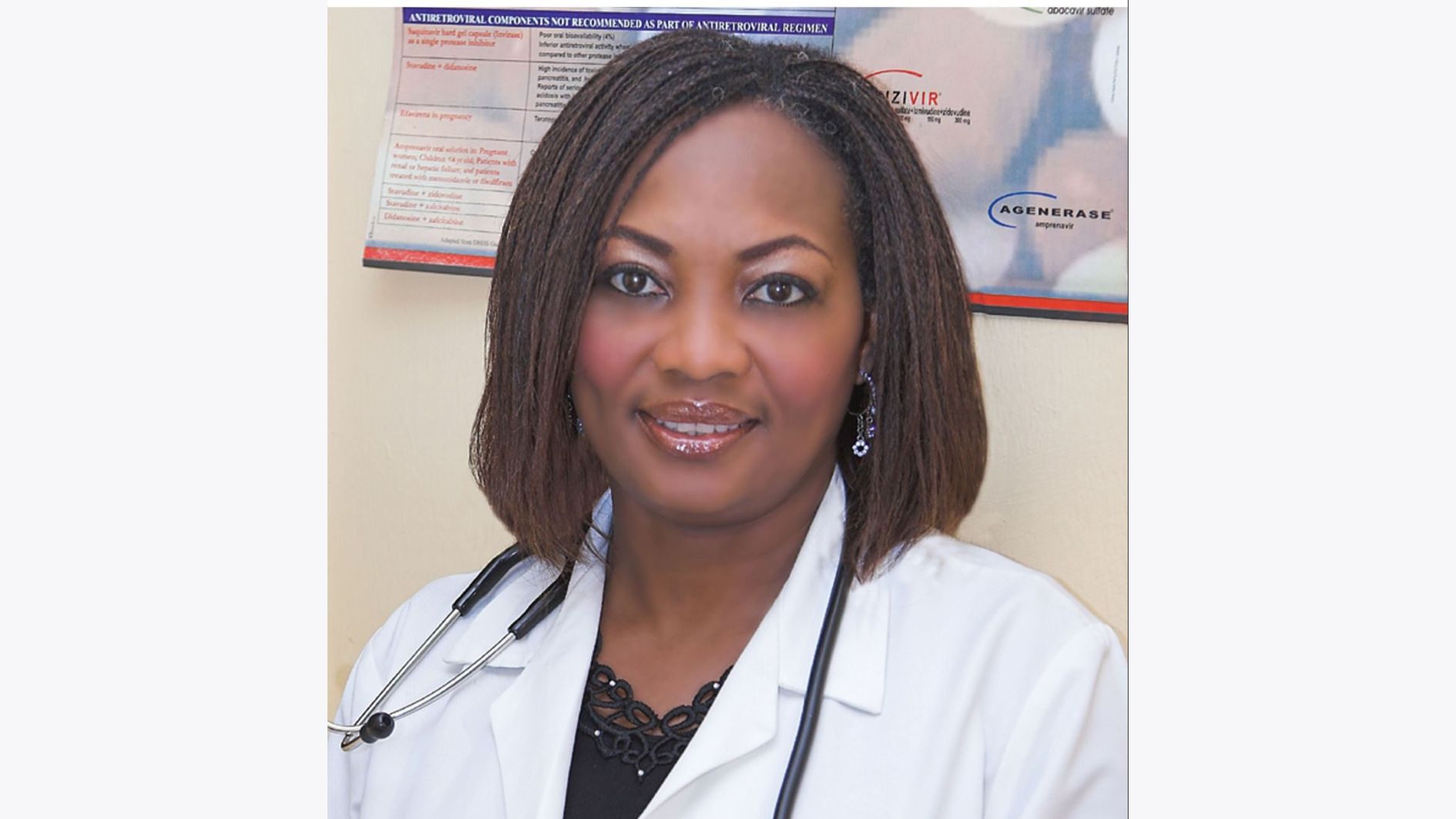
Co-founder and Chief Executive Officer of Dr Ameyo Stella Adadevoh (DRASA) Health Trust, Dr Niniola Williams, has called for routine infection prevention and control practices in Nigerian hospitals and communities.
Meanwhile, as Nigeria continues to navigate challenges related to healthcare financing, workforce migration, and equitable access to care, stakeholders in the health sector have emphasised the need to advance practical solutions to scale successful digital innovations to build a stronger and more resilient health system in the country.
Despite the fast-expanding Ebola outbreak in Africa, the continent’s health ministers have agreed to keep their countries’ borders open, the head of the Africa Centres for Disease Control and Prevention (Africa CDC) said yesterday.
At the 11th Future of Health Conference organised by Nigeria Health Watch in Abuja, Williams said the proactive step would help to protect patients and healthcare workers from preventable infections.
She said infection prevention and control (IPC) should be a daily healthcare priority rather than a measure activated only during outbreaks such as Ebola and Lassa fever.

Patients, she added, should be able to trust hospitals to protect them from acquiring additional infections while receiving treatment.
Williams identified proper hand hygiene, safe injections, adequate disinfection of medical equipment, environmental sanitation and appropriate ventilation as essential measures for improving patient safety.
“Why do we wait for emergencies before we realise the importance of doing something so fundamental to safe healthcare?” she said, adding that DRASA had equipped more than 16,000 healthcare workers across the country with IPC knowledge and skills.
She stressed that wearing gloves alone was insufficient to guarantee the safety of patients and health workers.
According to her, IPC is critical to protecting women during childbirth, patients recovering from surgery, and healthcare workers exposed to infectious diseases in the course of their duties.
She said DRASA had developed a network of nearly 100,000 health champions across Nigeria, equipping ordinary citizens with the knowledge and skills to identify disease warning signs, promote preventive practices and alert relevant authorities.
EXPERTS at the Future of Health Conference called for a shift from pilot projects to projects that have national impact.
The conference brought together policymakers, innovators, researchers and development partners to examine how existing policies, innovations, and partnerships can translate into measurable improvements in Nigeria’s health system.
Speaking at the event, the Director General of the National Health Insurance Authority (NHIA), Dr Kelechi Ohiri, said Nigeria must rethink how it finances, organises and delivers healthcare in response to changing disease patterns, persistent poverty and disruptions in global health financing.
According to him, Nigeria continues to battle infectious diseases and high mortality rates while facing a growing burden of non-communicable diseases (NCDs), creating additional pressure on an already constrained healthcare system.
Ohiri noted that Nigeria must develop an innovation ecosystem that supports home-grown research, evaluates promising interventions and creates clear pathways for successful solutions to be adopted at scale
Innovation must, therefore, extend beyond medical devices and technology to include financing models, service delivery, governance, research and the organisation of primary healthcare, he noted.
He stated that the NHIA had begun supporting locally driven research in partnership with health policy stakeholders, while also establishing a health technology assessment mechanism to help determine which innovations offer the greatest value and potential impact for Nigerians.
On her part, Dr IfyAniebo, a molecular geneticist whose work focuses on malaria drug resistance, highlighted how molecular research and artificial intelligence (AI) were being deployed to improve understanding of the disease in Nigeria.
Aniebo explained that research across 20 local councils revealed differences in malaria parasite resistance patterns and genetic profiles.
The research draws on more than 60,000 malaria parasite samples collected from the region, which are examined through laboratory testing, genetic analysis and computational tools to understand how parasites respond to medicines.
Ikechukwu Anoke of Zuri Health spoke about his ambition to make healthcare more accessible through a combination of technology, healthcare professionals and community outreach.
He said his personal experience of a frightening medical emergency involving his newborn daughter inspired a promise to build a hospital. About two decades later, he fulfilled that ambition by establishing a hospital in Enugu.
For Anoke, the experience illustrates that innovation extends beyond technological devices to include the determination to turn ideas into practical solutions.
THE announcement on the open borders came after a high-level virtual meeting convened by Africa CDC to assess the Ebola situation and discuss ways to strengthen cross-border coordination.
More than 40 African ministers attended the emergency meeting, convened amid the rapid geographic spread of the Ebola outbreak caused by the Bundibugyo strain.
Four countries have been affected so far by the recent outbreak, including Congo, Uganda, Kenya and Nigeria.
The meeting resolved to get every country ready and work hand-in-hand across borders to avert further spread of the virus, which has claimed nearly 5,000 lives since May, mainly in the Democratic Republic of Congo (DRC).
The number of confirmed cases has surpassed 10,170, with a case fatality rate of 48.5 per cent according to Africa CDC.

