 Follow Us on Google News
 Follow Us on Google Discover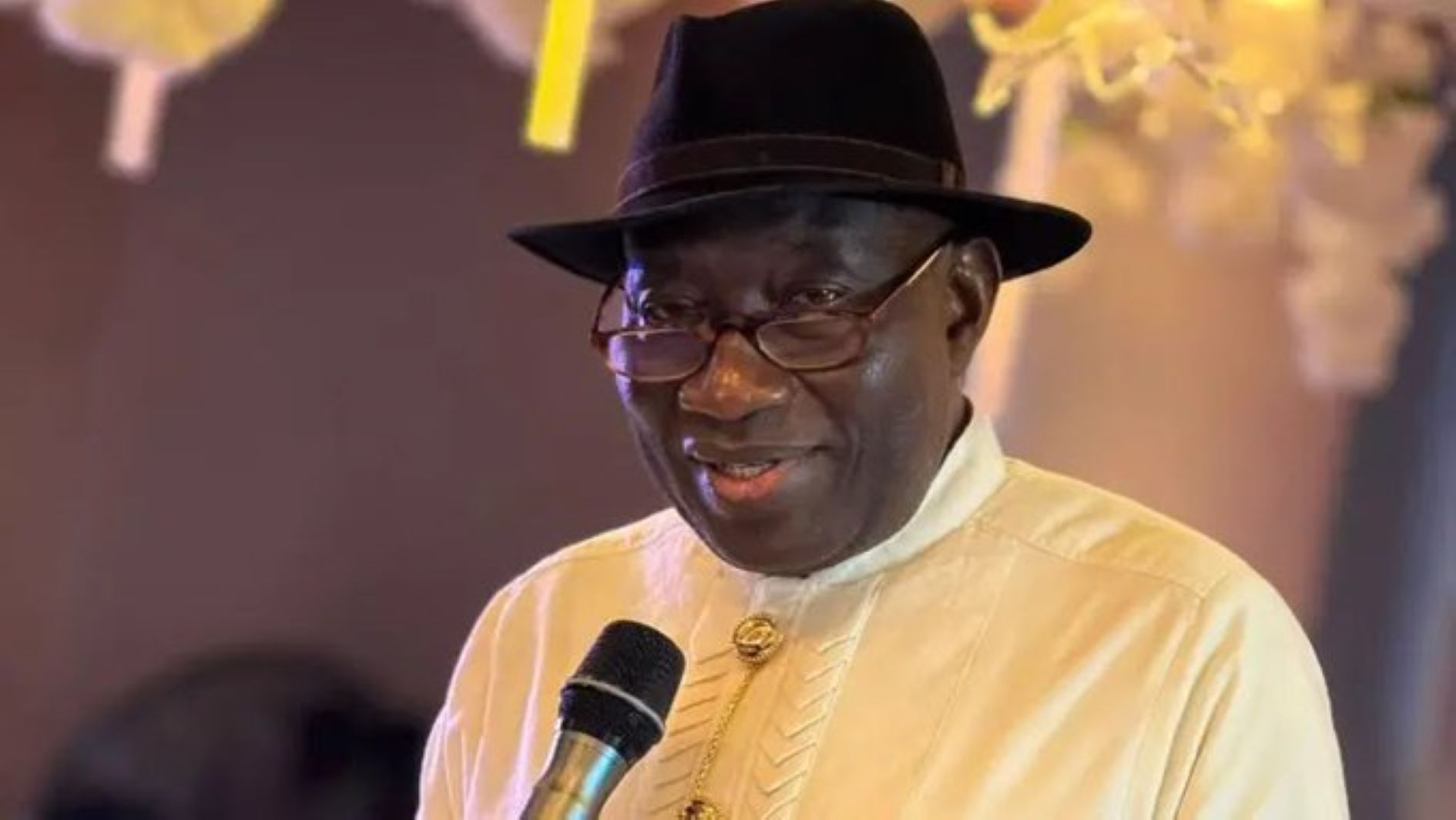
• Ex-president commissions 18 roads in Bauchi
The Goodluck Jonathan Foundation (GIF) is set for the 2026 edition of its flagship Democracy Dialogue holding today, August 11, 2026, at the International Conference Centre in Bauchi State, aimed at examining the role of political parties and the judiciary in safeguarding democracy across Africa.
In the meantime, the former president yesterday commissioned 18 completed road projects within the Bauchi metropolis, constructed for N58.7 billion by the administration of Governor Bala Mohammed.
Jonathan, who is in Bauchi for the 2026 Democracy Dialogue slated for today, lauded the projects, saying their commissioning was a celebration of visionary leadership, responsible governance and purposeful investment in infrastructure.
In a statement, the GJF Communications Officer, Mr Wealth Ominabo, said the dialogue, themed “Beyond Elections: Can Political Parties and the Judiciary Save African Democracy?” would examine the institutions that sustain democracy beyond the electoral process.
According to the foundation, the invited African political leaders include the President of Ghana, John Mahama; Nigeria’s Vice President Kashim Shettima; former President Olusegun Obasanjo, and former President of Sierra Leone, Dr Ernest Koroma, with Obasanjo to chair the dialogue.
Also expected are distinguished African leaders, eminent jurists, scholars, political actors, policymakers, civil society leaders and democracy advocates, among others, while the Chairman and Founder of GJF, Dr Goodluck Jonathan, and Governor Bala Mohammed of Bauchi State are hosts of the event.
Speaking on the significance of the theme, the Executive Director of GJF, Ms Ann Iyonu, said that political parties and the judiciary across the continent are increasingly challenged in fulfilling their responsibilities as pillars of democratic governance.
She stressed that the dialogue would “interrogate how these critical institutions can be renewed to strengthen democratic resilience, protect constitutional order and restore citizens’ confidence in governance.”
Also, the interactive session will provide a rare opportunity for candid conversations between experienced statesmen, young leaders, scholars and civic actors, generating practical insights that extend beyond formal speeches and official communiqués, she added.
Iyonu further explained that, unlike conventional governance conferences, the GJF Dialogue “is designed as a platform for consensus-building, policy engagement and knowledge exchange.
“By bringing together those who have led African nations, managed democratic transitions and defended constitutional institutions alongside serving leaders and citizens, the dialogue seeks to foster practical solutions for strengthening democracy across the continent.”
According to her, “this vision reflects the enduring belief of former President Jonathan, who has consistently maintained that ‘democracy is a communal asset that brings peace and progress. It requires collective action and consensus-building by all stakeholders to safeguard it.”
She added that the foundation believes that Africa’s democratic renewal will be driven not only by credible elections but also by strong institutions, active citizenship and sustained dialogue that promotes accountability, transparency and good governance.
Meanwhile, Jonathan noted that “across the world, no society can attain economic growth and progress without modern and reliable infrastructure. Roads are critical for the development of a state, mobilising communities, facilitating commerce, creating opportunities and promoting inclusive growth.”
The former president said the confidence reposed in Governor Mohammed by the people of Bauchi was evidence of the governor’s commitment to transforming the state.
He noted that Mohammed had continued to justify the confidence through practical and impactful governance, particularly in infrastructure, education, healthcare, agriculture and human capital development.
Meanwhile, Mohammed said his administration has constructed about 3,000 kilometres of roads across the state since he assumed office, out of the 5,000-kilometre target set under his transformation agenda.
He said the infrastructure programme was not merely about constructing roads but also about opening economic opportunities, improving livelihoods and laying a solid foundation for the prosperity and growth of the state.
Mohammed explained that the projects were also aimed at strengthening security and promoting inclusive development, noting that improved road networks would facilitate movement, commerce and access to essential services.
Acknowledging the patience and cooperation of residents during the construction period, he apologised to communities whose road requests could not yet be fulfilled due to limited resources.

