President Bola Ahmed Tinubu has unveiled a comprehensive security and economic framework aimed at harnessing Nigeria’s marine and aquatic resources, positioning the blue economy as a key driver of economic diversification, job creation, and long-term prosperity.
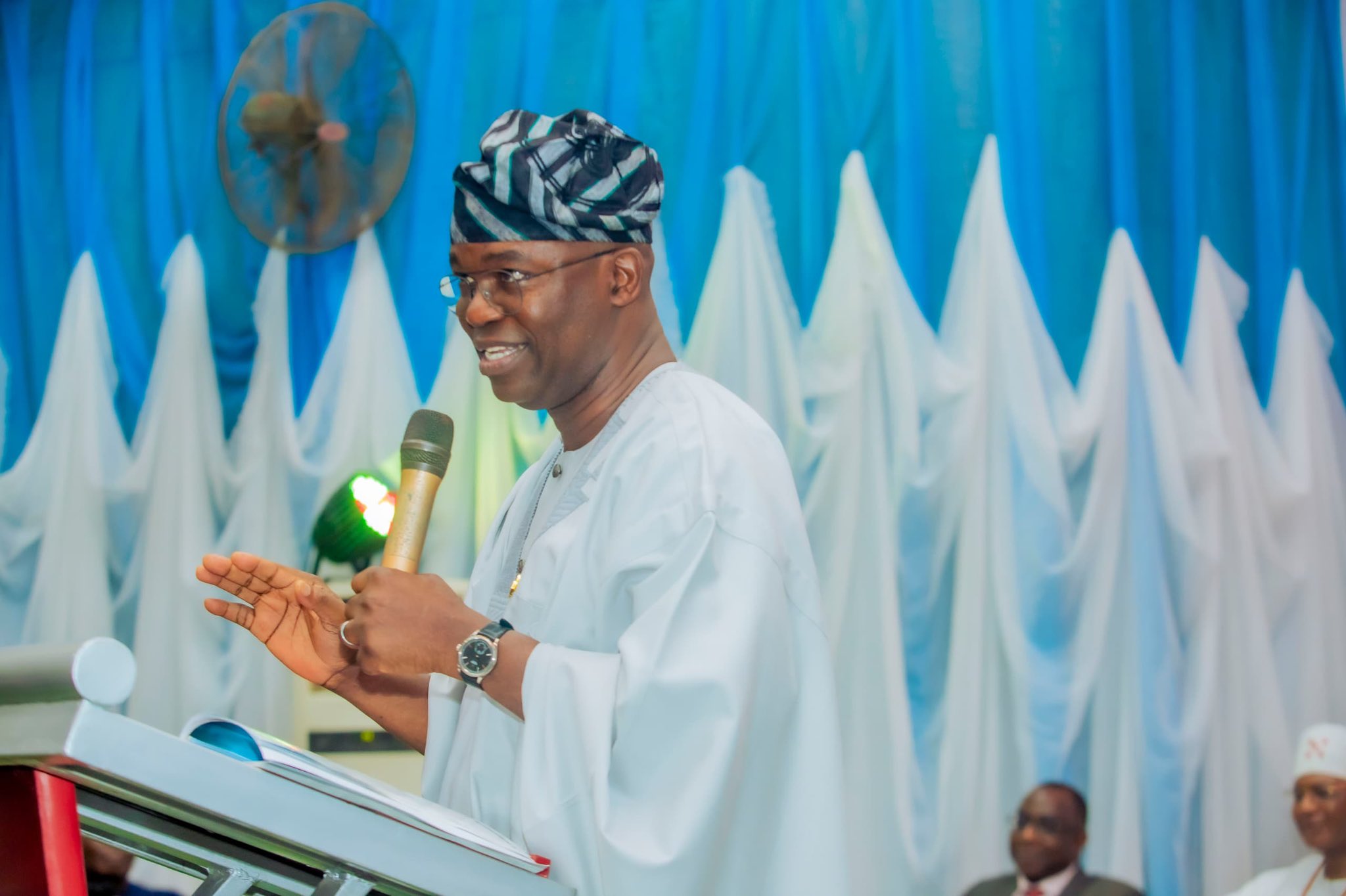
Speaking on Wednesday during a Presidential Parley with participants of Senior Executive Course 47 of the National Institute for Policy and Strategic Studies (NIPSS) at the Presidential Villa, Tinubu, represented by Vice President Kashim Shettima, said his administration is committed to converting Nigeria’s maritime potential into sustainable national wealth.
“The blue economy offers a strategic pathway to diversify revenue, create employment, and revitalise ecosystems that underpin development,” he said, welcoming the NIPSS study on Blue Economy and Sustainable Development in Nigeria as a timely guide outlining opportunities, challenges, and policy priorities.
Highlighting Nigeria’s rich marine endowments, including an 853-kilometre coastline, inland waterways, fisheries, and a strategic position in the Gulf of Guinea, Tinubu directed the establishment of the Ministry of Marine and Blue Economy, modernisation of ports, expansion of aquaculture, coastal tourism, marine biotechnology, and renewable ocean energy.
Acknowledging security challenges such as oil theft, illegal fishing, smuggling, and piracy, the President assigned NIPSS an expanded mandate to conduct a nationwide security diagnostic and provide actionable reforms for Nigeria’s security architecture.
He emphasised that the sector’s success depends on a safe and stable environment, institutional coordination, and robust policy frameworks, while also urging the launch of a national fisheries expansion programme and strengthened financing mechanisms to unlock the blue economy’s full potential.
Senior Executive Course (SEC) 47 is the 2025 cohort of the flagship Senior Executive Course run by the National Institute for Policy and Strategic Studies (NIPSS), Kuru, for top-level public and private sector leaders in Nigeria.
SEC 47 is the forty‑seventh edition of the annual 10‑month Senior Executive Course, typically running from February to November at NIPSS, Kuru, near Jos.
Participants are drawn from the federal and state civil services, armed forces, paramilitary agencies, academia, organized private sector, and professional bodies, and successful graduates earn the “Member of the National Institute” (mni) designation.
SEC 47 is built around the theme “Blue Economy and Sustainable Development in Nigeria: Issues, Challenges and Opportunities.”
Under this theme, participants engage in lectures, seminars and fieldwork focused on how Nigeria can harness marine and aquatic resources for economic growth while ensuring environmental sustainability and inclusive development.
The course combines self‑study with intensive lectures by invited experts, round‑table discussions with policymakers, and continuous training in computer applications and French.
Participants also undertake local study tours across states and strategic institutional visits, producing group reports and policy proposals that feed into national decision‑making.
Each participant proposes research topics of policy relevance, from which one is approved and developed under supervision into a substantial project aligned with the national development agenda.
Towards the end of the course, study groups present a concluding seminar on a strategic national theme, whose distilled recommendations form part of an executive brief for the annual presidential parley and other high‑level engagements.
SEC 47 delegations have been reported paying courtesy visits to key traditional, governmental and corporate institutions as part of their study tours on the blue economy theme.
There is also ongoing litigation by at least one nominee challenging the alleged unlawful withdrawal from SEC 47, which has brought additional public attention to the course and NIPSS’s selection and administrative processes.