 Follow Us on Google News
 Follow Us on Google Discover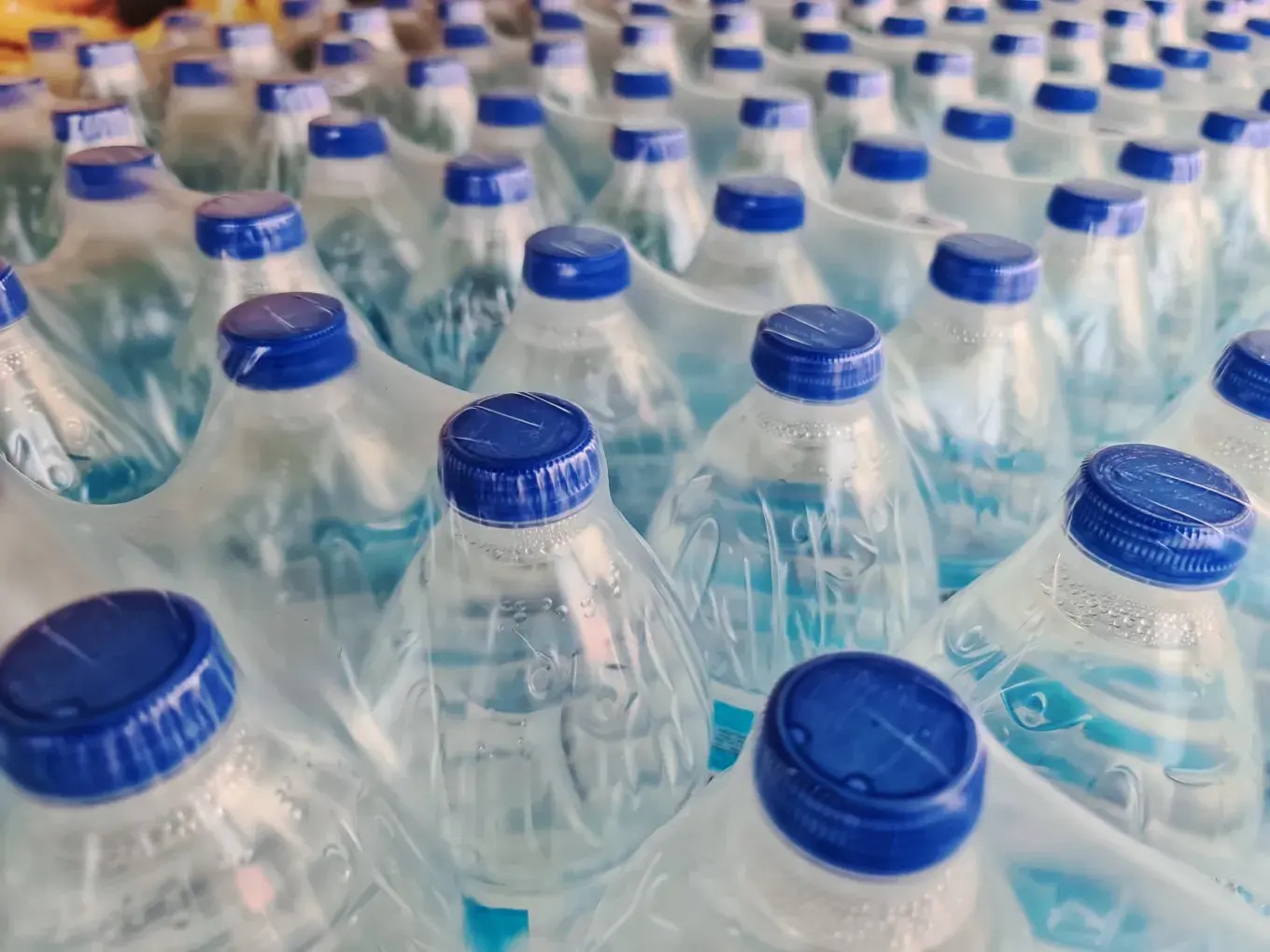
In Nigeria, bottled water and soft drinks are a daily staple, often displayed for sale under the country’s intense sun. But a pioneering study led by Uchechukwu Grace Ugboka at the University of Nigeria, Nsukka, reveals that this widespread practice could be exposing consumers to dangerous levels of bisphenol A (BPA)—a known hormone-disrupting chemical used in many plastics.
Uchechukwu Grace Ugboka is a research scientist at the University of Nigeria, specializing in environmental toxicology and chemical speciation. She leads research efforts focused on understanding how toxic substances move through and affect Nigeria’s environment, with particular attention to the chemical contaminants in consumer products and their health implications. Her work has helped put a spotlight on the risks posed by everyday exposure to chemicals like BPA, especially in the context of Nigeria’s unique climate and consumer habits.
The study, the first of its kind in Nigeria, found that BPA leaches from polycarbonate bottles into drinks at alarming rates when exposed to sunlight. After just 60 days in typical outdoor conditions, BPA concentrations in carbonated drinks soared by up to 920%, and by 868% in bottled water. “This isn’t just a lab issue—this is happening on the streets and in our shops,” Ugboka explained. The research underscores that leaving drinks in the sun can significantly increase chemical contamination.
BPA is a well-documented endocrine disruptor linked to reproductive problems, developmental disorders, heart disease, and some cancers. Although detected BPA levels in Ugboka’s study remained within certain international safety limits, the researchers stressed that cumulative exposure from multiple sources could still pose significant health risks over time.
A Broader Water Quality Crisis
Concerns about packaged drinks in Nigeria go beyond just chemical leaching. A 2017 study in Nnewi, Anambra State, assessed the physical, chemical, and microbiological quality of sachet and bottled water sold to households. While most products looked visually clean, laboratory tests revealed that over 40% of bottled water samples contained E. coli bacteria—a sign of faecal contamination and inadequate treatment. The study also found that some samples exceeded recommended limits for lead, a neurotoxic heavy metal, and that more than three-quarters of bottled water samples had pH values below national standards, which can further promote leaching of metals from pipes or packaging.
Researchers from the Nnewi study concluded that, despite their clear appearance, many packaged waters failed to meet chemical and microbiological safety requirements, putting consumers at risk for waterborne diseases and toxic exposures.
This research also resonates strongly with the global dialogue during World Water Week in August 2020, which emphasized the intersection of water quality, public health, and climate resilience. At that forum, experts highlighted that ensuring safe and sustainable drinking water is not only a local challenge but a shared global responsibility, particularly in the face of rising temperatures and environmental pressures. By situating her work within this international context, Ugboka’s study underscores Nigeria’s contribution to the worldwide call for improved water safety, chemical regulation, and consumer awareness—reinforcing that protecting drinking water is central to achieving global health and sustainability goals.
What Can Consumers Do?
Experts recommend:
- Buy bottled drinks stored indoors or in shaded areas.
- Avoid storing drinks for long periods in hot environments such as car trunks or roadside stands.
- Transfer drinks to glass or stainless-steel containers when possible.
Until stricter safety rules are in place, public awareness remains the best defense. Ugboka and her colleagues urge consumers to demand safer storage practices and call on policymakers to enact stronger regulations to protect public health.

