Yobe State Governor, Mai Mala Buni, has assented to the N515.53 billion 2026 Appropriation and Finance Bills, providing the legal framework for the implementation of government policies and programmes by Ministries, Departments and Agencies (MDAs).
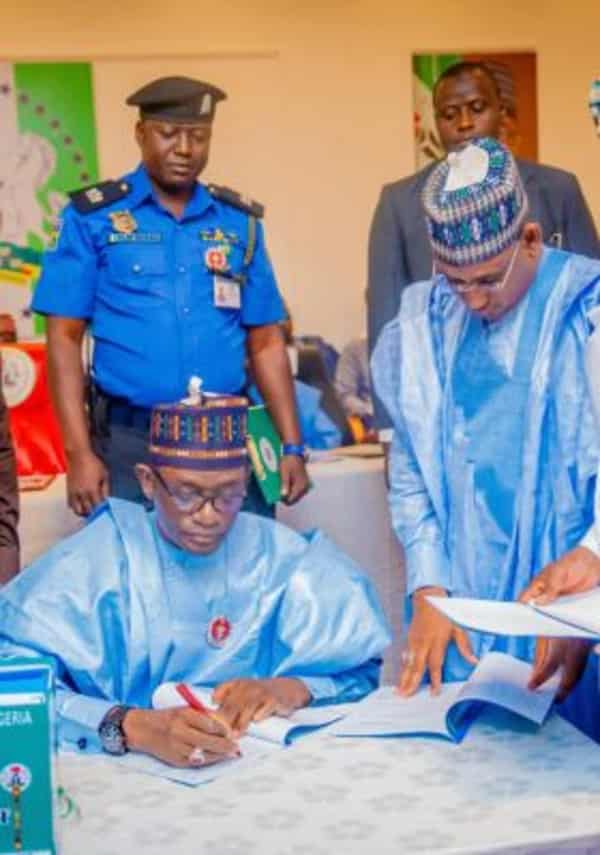
Governor Buni signed the bills into law on Wednesday in Damaturu, about two months after presenting them to the Yobe State House of Assembly on Thursday, November 6, 2025, in line with the provisions of Section 121 (1) and (2) of the 1999 Constitution of Nigeria, as amended.
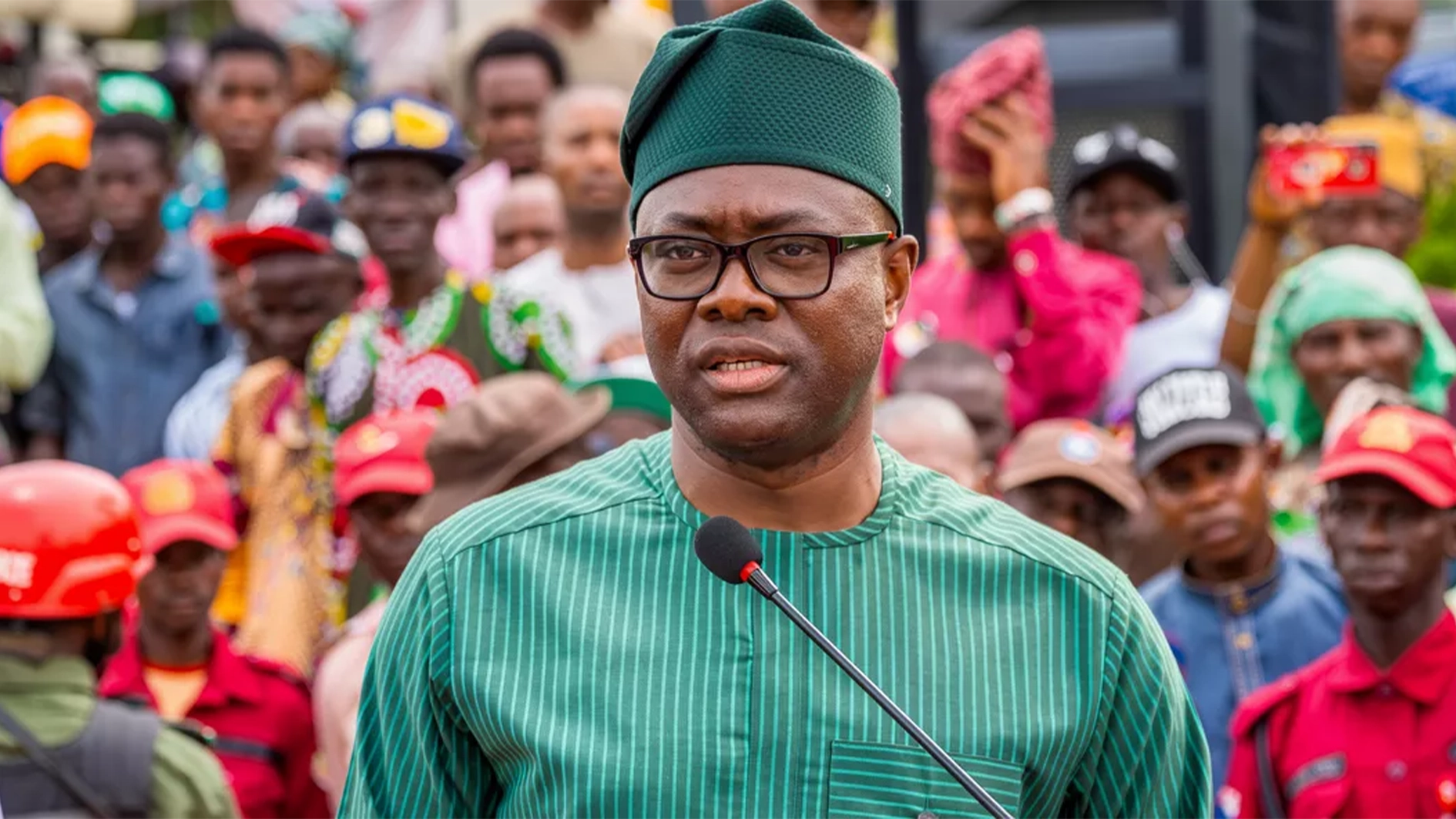
Speaking at the signing ceremony, the governor said the occasion marked the culmination of extensive legislative deliberations aimed at protecting the interests of the people of the state.
“We are here to witness the signing of the two bills into law after thorough deliberations by members of the State Assembly to capture, promote and protect the interest of the people,” Buni said.
Tagged “The Budget of Economic Growth and Infrastructural Transformation,” the 2026 budget, according to the governor, is a continuation of the state’s development agenda across key sectors, including education, health, agriculture, infrastructure and employment.
He said the budget is designed to “achieve the objective of improving the quality of lives of people to greater heights.”
Buni commended members of the Yobe State House of Assembly for what he described as their commitment to the people through the timely passage of the budget after detailed scrutiny.
“This clearly shows that both the Executive and Legislative arms of government in the state are working on the same page with a clear vision, understanding and commitment to serve the people better,” he said.
The governor disclosed that the budget was adjusted to N515.53 billion, with a slight reduction in capital expenditure and an increase in recurrent spending for services.
According to him, N291.9 billion, representing 62 per cent of the total budget, is allocated to capital expenditure, while N223.63 billion, or 38 per cent, is earmarked for recurrent expenditure. He added that internal adjustments were also made to the allocations of some MDAs.
Buni reiterated his administration’s commitment to fiscal discipline, transparency and accountability.
“We shall continue to be committed to the principles of accountability, probity, transparency, and strict adherence to due process and budget discipline that have earned this administration recognition in the last six years,” he said.
He added that the state would strive to maintain its standing in fiscal transparency and budget performance, citing recognitions by SIFTAS, a World Bank initiative, and BudgIT.
The governor said the government would continue to strengthen control measures to encourage financial prudence and ensure that limited resources are directed toward critical socio-economic projects.
He explained that the Office of the Secretary to the State Government, the Ministry of Budget and Planning and the Ministry of Finance would provide policy direction and monitor implementation across the state’s 23 MDAs to ensure effective budget execution and economic growth.