 Follow Us on Google News


 Follow Us on Google Discover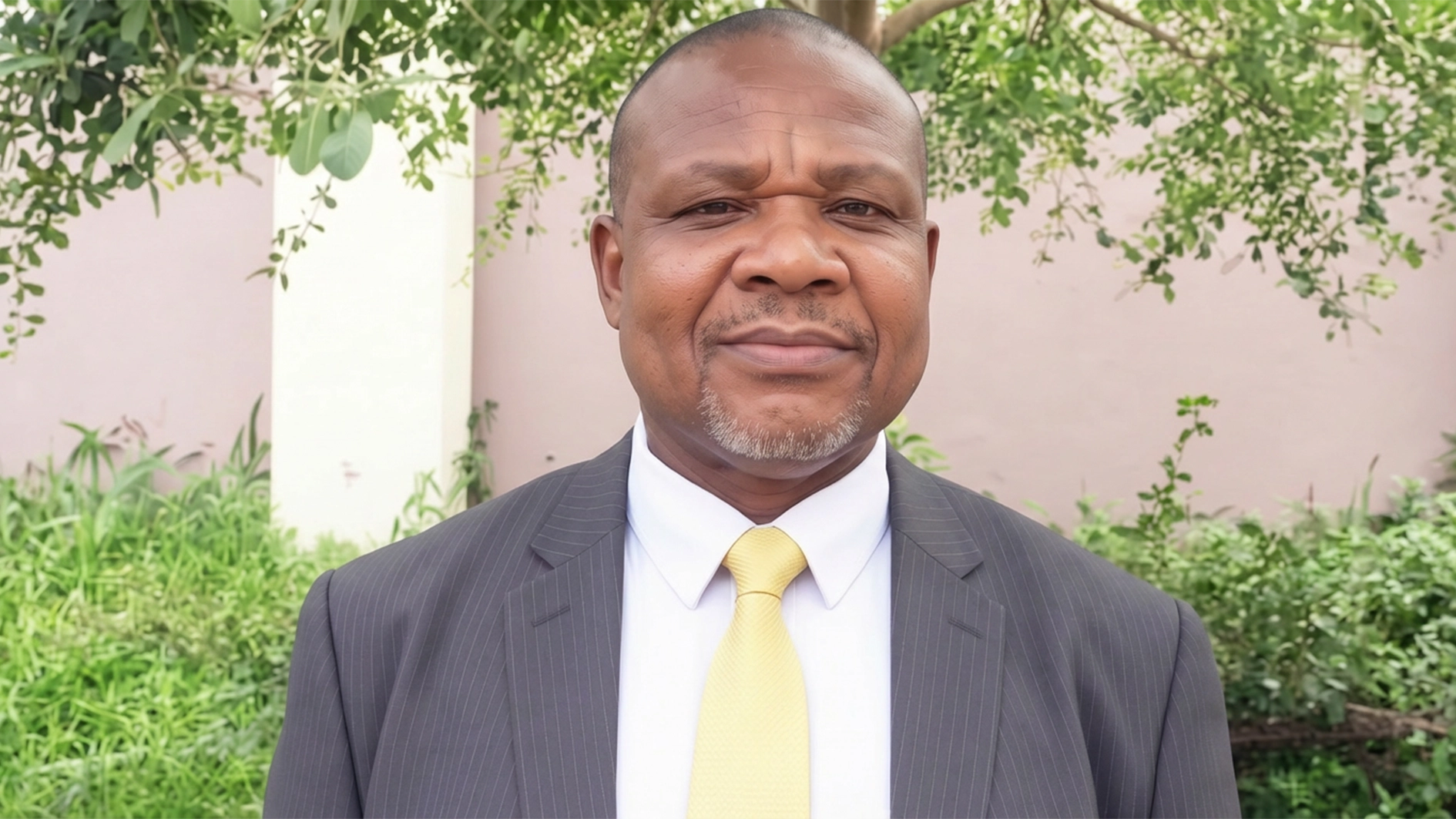
Executive Director (ED) of Citizens Centre for Integrated Development and Social Rights (CCIDESOR) Dr Emeka Ononamadu, has stated that three obstacles still hold Nigeria down, listing them as fraud, waste and abuse of public resources.
He exposed this in a paper titled ” Freedom of Information Act in Nigeria: Proactive Disclosure, Compliance Obligations, and Action Points ” which he presented at one day Freedom of Information (FOI) Roundtable held at Rapha Hotel, Umuahia, the Abia state Capital.
Held under the theme ” Reviving Local Governance, Citizens-led Advocacy for Local Government Budget Accountability and Reform in Nigeria”, the participants were drawn from the civil societies, local government employees, youth councils, non-governmental and human rights organizations, the media, among others
According to Dr Ononomadu, CCIDESOR is a registered non-profit, non-governmental, non-partisan, non ethnic and non–religious organisation established to facilitate the attainment of social freedom, Human Rights, good governance and sustainable grassroots development in Nigeria, established to promote development integration.
He described the FOI Act as a powerful governance tool that has the capacity to address Nigeria’s economic, political and security challenges if effectively implemented, stating, however, that the future of good governance in the country depends not only on the existence of the Act, but on the collective will to implement its provisions
“By enforcing proactive disclosures and mandatory compliance, the Act can promote transparency, participation, patriotism, and public trust, while instilling discipline in public office”, stated

Participants concurred that the local government system should be made transparent in their operations, and charged members of the public to invoke in practice, the provisions of the FOI Act to compel LG Administrators, to avail and unveil necessary information to the public, including keeping accurate records of their operations.
The state Director of the National Human Rights Commission (NHRC), Barrister Uche Nwokocha, in her presentation, urged the public to use the FOI Act to source their required information.
She informed that when such demands for official information are made in writing under the Act, they (demands) are to be responded to within seven days, but subject to another seven days, if not responded to initially.
Participants alleged deliberate withholding of information from the public, including poor record-keeping by the local governments and queried the scenario.
They accused state governments of having usurped the statutory mandates of the third tier of government, basing their action on the failure of the LGs to manage wastes, pay teachers’ salaries, attend to rural roads, among others.
Participants maintained that local government administration ought to be in line with the provisions of the extant Constitution of Nigeria, stressing that any verdict by the Supreme Court that conflicts with the Constitution should be unenforceable, null and void.

