 Follow Us on Google News


 Follow Us on Google Discover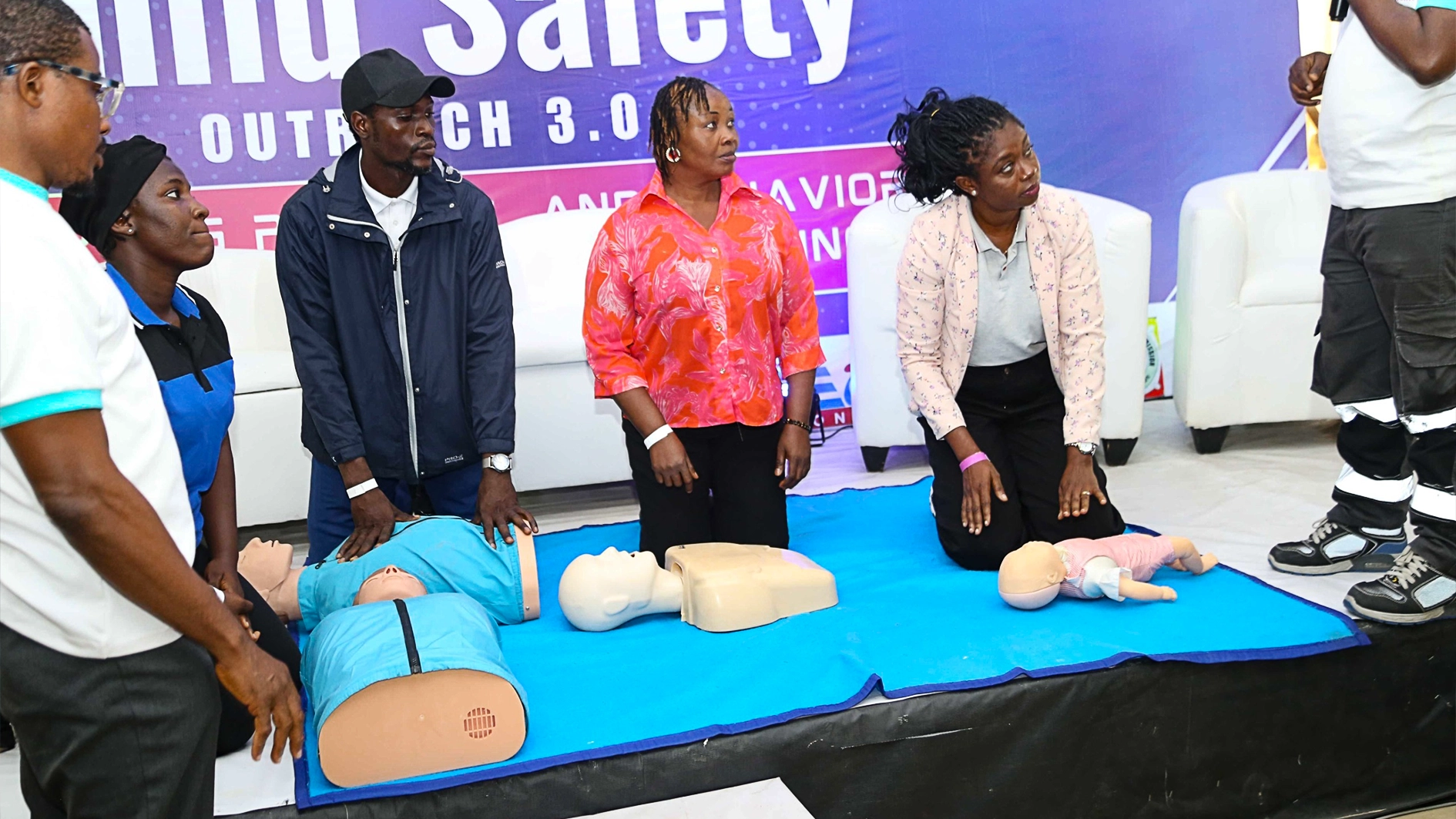
Child safety experts have called for stronger standards in schools and greater vigilance over children’s online activities as emerging forms of exploitation add new dimensions to the risks facing young people.
The call came during the annual child safety outreach convened by the founder of SafeKids Foundation, Adejumoke Sangolana, where speakers examined the need for stronger safety practices across the environments in which children live, learn and interact.
Founder, Foundation For Excellence In Sustainability And Human Development (FESHD), Engr. Jamiu Badmos, said schools must have clear safety principles and standards that guide how they protect children, rather than treating safeguarding as an issue to address only after an incident.
Badmos emphasised the importance of school vulnerability assessments, risk management and conformity with appropriate safety standards, stressing that safeguarding must be built into the systems of an institution.
“Safeguarding failure is a system failure,” Badmos said, while advocating a shift from reactive responses towards preventive and predictive approaches.
He also discussed children’s mental wellness, including issues around sleep, attention and physical activity, as part of the wider safety conversation.
But as schools strengthen their physical and institutional safeguards, experts also warned that children’s exposure to digital spaces creates another area of vulnerability.
Founder of the Strap and Safe Child Foundation, Mrs. Bolanle Edwards, highlighted the risks children face online, particularly the possibility of exploitation by unscrupulous individuals.
Her intervention adds a digital dimension to the traditional understanding of child safety, as children increasingly interact with people and content beyond the direct supervision of parents and teachers.
The concern comes against a wider global backdrop of violence against children. Up to one billion children aged two to 17 experience some form of physical, emotional or sexual violence globally each year, according to figures provided by the World Health Organization.
The vulnerability extends to digital environments. Information provided by UNICEF indicates that about 20 million children experienced online sexual exploitation or abuse across 21 countries within a single year.
For Sangolana, the risks facing children also demonstrate why safety education cannot be limited to children alone.
She said the SafeKids Foundation initiative began around the promotion of a safety book but evolved after organisers recognised that adults responsible for children also needed to understand safety.
“We realised that we needed to educate the adults as well because the children are under their care,” Sangolana said.
The foundation has since adopted an approach involving children, parents, teachers and school staff. Its third annual outreach combined lectures with practical training in first aid and cardiopulmonary resuscitation.
The broader African environment makes the need for effective child protection more urgent. Sub-Saharan Africa has the highest under-five mortality rate globally, while children across the region continue to face challenges linked to malnutrition, access to healthcare, education and protection.
But child safety, the speakers indicated, cannot be reduced to survival.
Sustainability professional and environmental consultant, Deji Oyinloye, explained in the panel session that children can be exposed to hazards through everyday environments and objects, including toys and substances.
He distinguished between a hazard, which has the potential to cause harm, and risk, which considers both the likelihood and severity of harm when exposure occurs.

Oyinloye said schools should consider the different hazards children may encounter in their everyday environments and put appropriate controls in place to reduce risks to a level that is as low as reasonably practicable.
The panel session also featured Former Tutor General/Permanent Secretary under the Lagos State Ministry of Education, District IV, Mrs. Funmi Okeowo; Mrs. Ajoke Oshokoya of the Lagos State Safety Commission; and Digital Safety Expert, Samuel Udoh Bassey, who contributed perspectives on education, institutional safety and emerging risks affecting children.
The Child Safety Outreach 3.0 was strengthened through the support of organisations that shared the vision of creating safer environments for children.

