 Follow Us on Google News


 Follow Us on Google Discover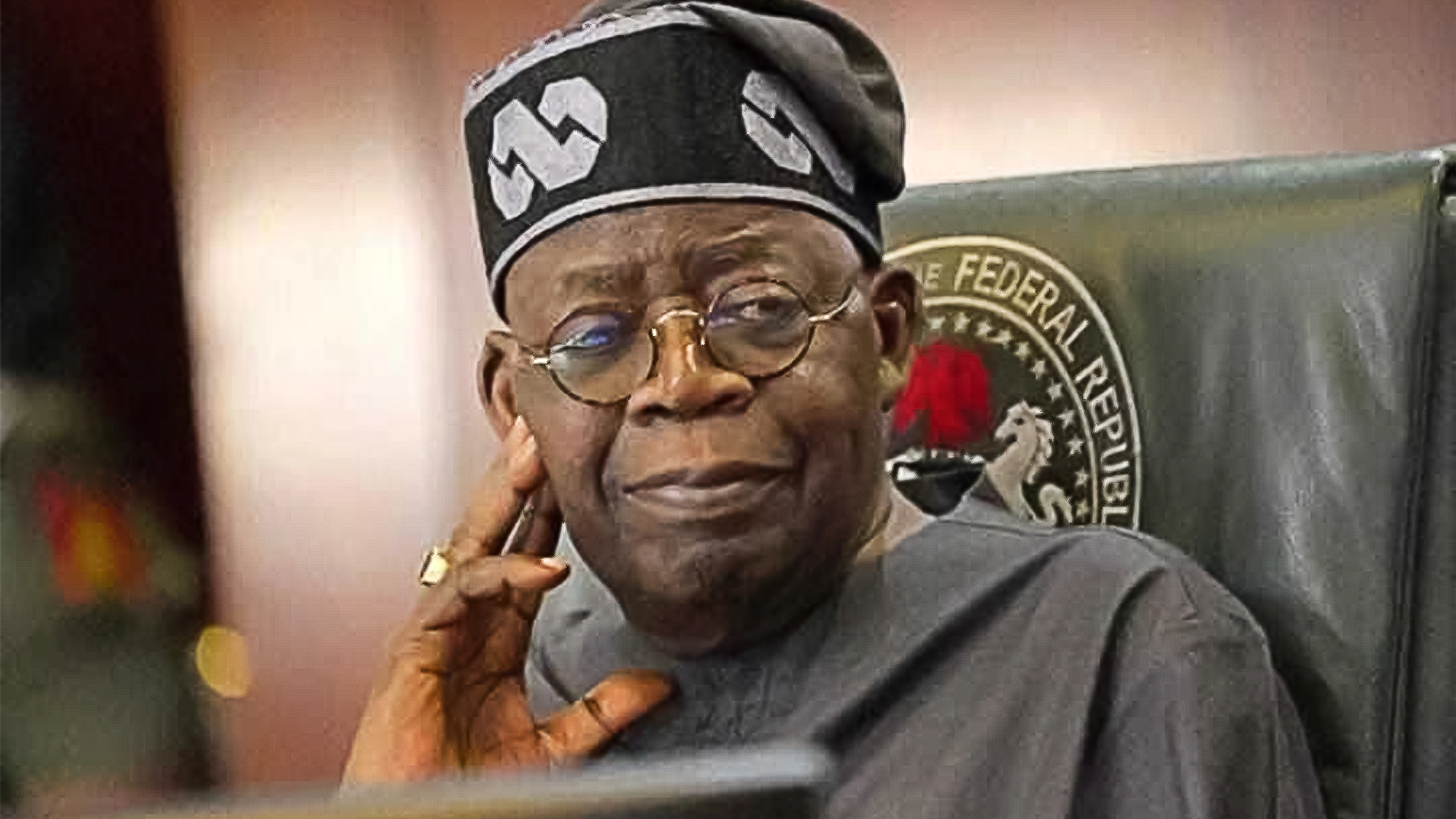
Civil Society Legislative Advocacy Centre (CISLAC) has linked Nigeria’s cost-of-living crisis to economic corruption, waste, weak governance and dysfunctional public institutions, warning that President Bola Ahmed Tinubu’s renewed push to reduce living costs will remain inadequate without addressing the deeper failures undermining the economy.
The group’s position followedTinubu’s Independence Day address yesterday, in which the President declared that the difficult phase of his administration’s economic reforms was over and that the next priority was to deliver shared and widespread prosperity.
Tinubu said the government’s focus had shifted from correcting the country’s economic course to improving living conditions, with the reduction of the cost of producing and moving goods identified as a key route to lowering living costs.
He also acknowledged that millions of Nigerians still struggle with food, school fees, medical bills and transportation.
Reacting to the declaration, CISLAC in a statement signed by its Executive Director, Auwal Musa Rafsanjani, said the cost-of-living crisis could not be addressed solely through economic reforms or improved macroeconomic indicators, arguing that corruption, waste and institutional failures were increasing the burden on households.
“Nigeria’s cost-of-living crisis cannot be honestly addressed without confronting the deeper problems of economic corruption, waste, weak governance and dysfunctional public institutions,” he said

He added that the President’s acknowledgement of the hardship facing families was important but argued that Nigerians needed more than another promise of prosperity, insisting that the government must confront the governance failures that make everyday life unnecessarily expensive.
The group described economic corruption as a “hidden tax” on every Nigerian, saying compromised public contracts, revenue leakages, patronage and poor value for money prevent public resources from translating into essential services.
According to CISLAC, Nigeria cannot successfully fight poverty while corruption, waste and institutional weakness continue to undermine the resources and institutions meant to improve citizens’ lives.
It said every naira lost to corruption, inflated contracts, revenue leakages, abandoned projects and wasteful expenditure represented money denied to citizens who needed functioning public services.
Rafsanjani also cautioned that economic policies that were “badly designed, poorly sequenced or inadequately cushioned” could impose devastating consequences on ordinary Nigerians.
He added that economic reform should not mean endless sacrifice by citizens while corruption, waste, inefficiency and high costs within government remained insufficiently addressed.
CISLAC said if Tinubu was genuinely determined to reduce the cost of living, fighting economic corruption and bad governance must become an integral part of the country’s economic strategy.
Rafsanjani urged the government to block revenue leakages, strengthen procurement transparency, recover stolen public assets, sanction corruption, eliminate wasteful expenditure and reduce the cost of governance.
He also called for increased public revenues to be visibly invested in services capable of reducing household expenses, saying Nigerians must be able to experience the benefits of reform through affordable food, transportation, electricity, healthcare and education, as well as stronger purchasing power.
He added that until corruption was reduced, institutions began to work and public resources genuinely served the public, Nigerians would continue paying the price of bad governance “in every market, every household and every business.”

