 Follow Us on Google News


 Follow Us on Google Discover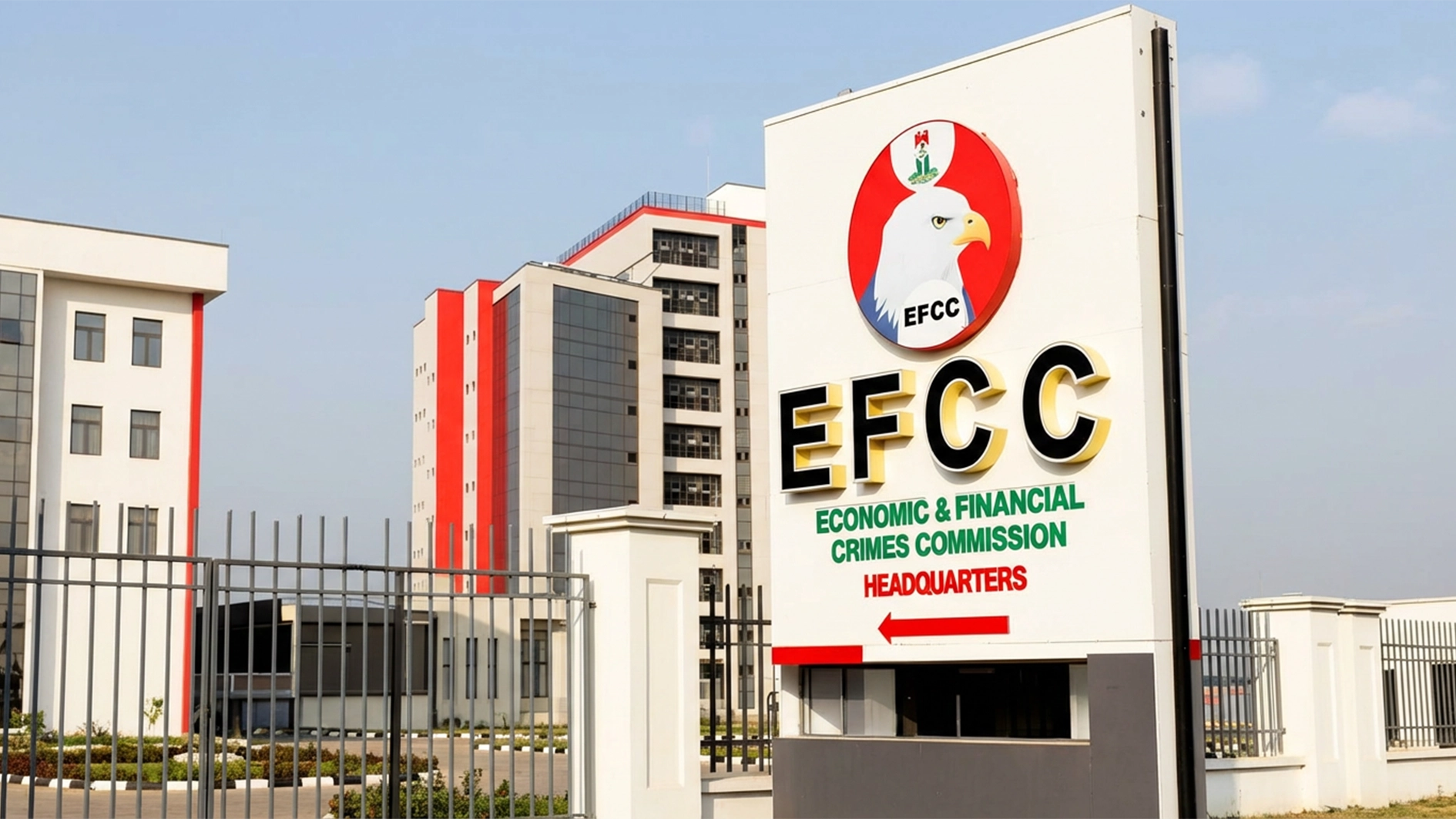
The Civil Society Organisation on Community Advancement and Humanitarian Empowerment Initiative (CSCHEI) has called for a strong institutional alliance between revenue authorities and anti-corruption agencies to ensure effective enforcement of Nigeria’s new tax law and curb tax evasion, corruption and financial misconduct.
The civil society groups, on Thursday, specifically urged sustained collaboration among the Economic and Financial Crimes Commission (EFCC), the Independent Corrupt Practices and Other Related Offences Commission (ICPC), and the Nigeria Revenue Service (NRS), noting that coordinated enforcement is critical to restoring public confidence in the tax system.
This is as CSCHEI also called for fairness, equity, accountability and broad multi-stakeholder collaboration in the implementation of the new tax law, stressing that only a transparent and people-centred approach can translate tax reforms into sustainable national development.
The Director General, Kunle Yusuf made the call at a rational retreat on the new tax law development, organised in Abuja for leaders of accredited civil society organisations (CSOs).
Speaking at the retreat themed “Impact of Taxation on the United Nations Sustainable Development Agenda 2030,” Yusuf described taxation as a critical instrument for domestic resource mobilisation, improved social welfare and the attainment of the Sustainable Development Goals (SDGs).
“The new tax law presents a major opportunity to strengthen domestic revenue and fast-track progress toward the SDGs. However, this will only be achieved through inclusive engagement, strategic advocacy and transparent implementation,” he said.

According to Yusuf, effective taxation enables government to channel resources into priority sectors such as healthcare, education, infrastructure, social protection and environmental sustainability, areas that directly affect citizens’ wellbeing, particularly low-income and vulnerable groups.
While commending the Federal Government for initiating the reform, he stressed that active civil society participation was essential to ensure the law promotes fairness, shields citizens from undue burdens and delivers measurable development outcomes.
He urged CSOs to intensify tax education and public awareness through workshops, media campaigns and community outreach, while sustaining policy engagement at local, state and federal levels.
“We must monitor implementation, track impact and hold institutions accountable so that the new tax law truly supports inclusive growth, equity and justice,” Yusuf said.
Echoing his position, Dr Amos Obi, a development policy expert and other discussants at the retreat expressed strong support for the reform agenda, describing taxation as one of the most reliable tools for funding education, healthcare, infrastructure and environmental protection when properly administered.
They cited gas flaring penalties as evidence of how taxation can drive sustainability, noting that stricter enforcement has compelled some oil and gas companies to reduce flaring and invest in gas utilisation infrastructure, thereby improving public health and creating economic value for host communities.
“When gas is no longer flared, it becomes productive energy for households and small businesses. That is how taxation delivers sustainable outcomes,” a discussant said.
Education was also identified as a major beneficiary of improved tax governance, with speakers noting that Nigeria loses significant resources annually to foreign tuition due to underinvestment in local educational institutions.
The retreat underscored the role of CSOs as a bridge between government and citizens, advocating a bottom-up approach that captures community-level feedback and channels it to policymakers for corrective action.
Speakers further stressed that tax compliance by CSOs enhances credibility, legitimacy and access to partnerships with government and international donors, including opportunities to manage small-scale community projects such as public toilets, primary healthcare facilities and other grassroots interventions.
Participants identified multiple taxation, tax injustice, weak fiscal coordination across federal, state and local governments, and poor financial tracking as key challenges that made tax reform imperative, linking weak fiscal governance to illicit financial flows and rising insecurity.
Summarising the reform direction, speakers said the new tax law seeks to promote investment and inclusive growth by shifting the tax burden away from poverty and production toward income, consumption and returns on investment.
“We should tax harvests, not seeds. Prosperity grows when investment is encouraged and poverty is not punished,” one participant said.
At the end of the retreat, representatives of over 200 accredited CSOs and community-based organisations endorsed the new tax law, while calling for effective implementation, continuous stakeholder engagement, enhanced tax education and transparent management of tax revenues in line with SDG programmes and projects.
Yusuf disclosed that a national committee would be constituted to drive coordinated civil society advocacy, monitoring and engagement on tax reform implementation, and announced plans to convene a National Civil Society Summit later in the year to deepen accountability and development financing dialogue.
“As development agents, civil society will continue to promote community advancement, equity, good governance and adherence to the Constitution, while supporting policies that address the real needs of Nigerians,” he said.

