 Follow Us on Google News
 Follow Us on Google Discover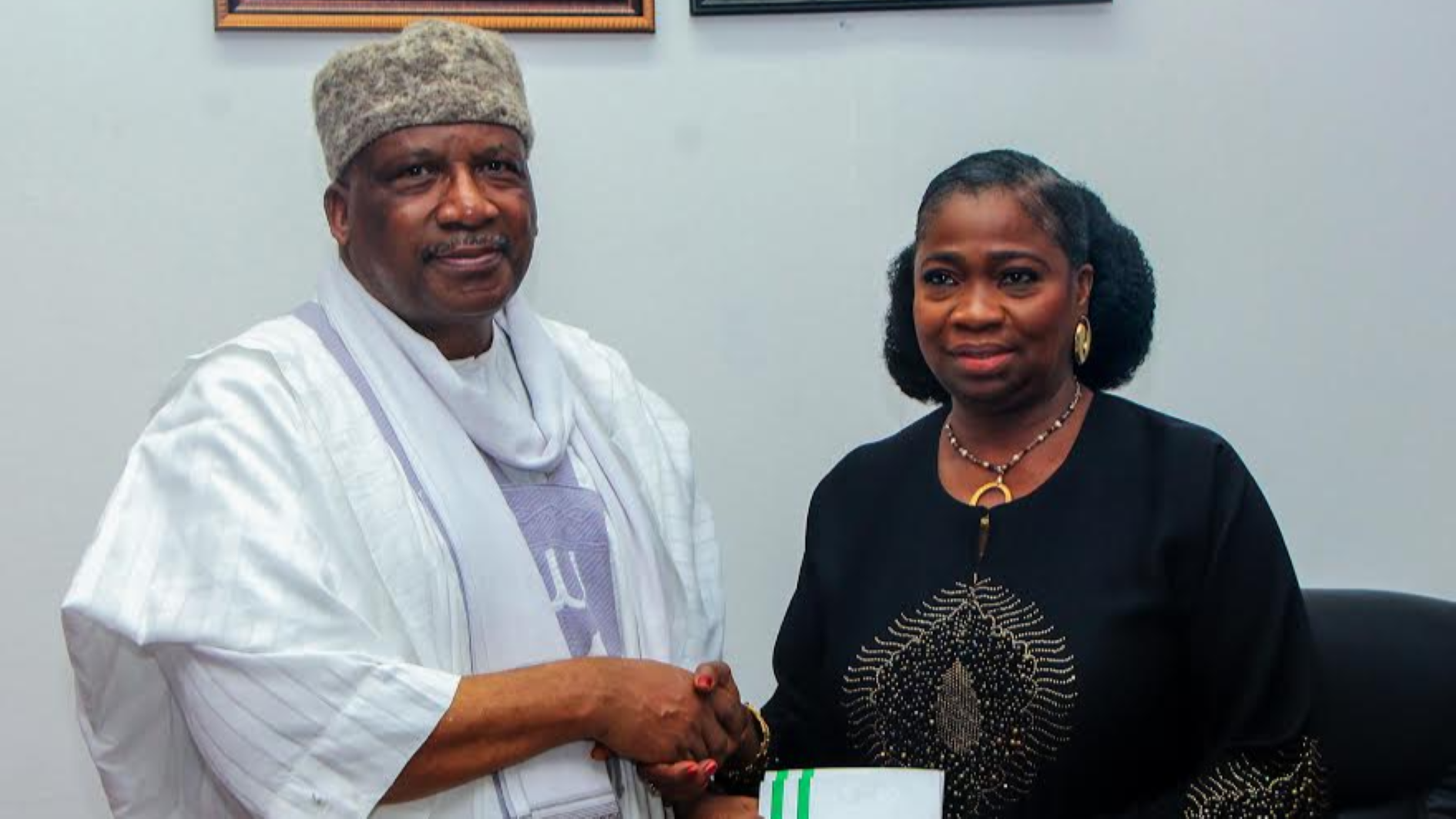
Former Chief of Army Staff (COAS), Lt.-Gen. Abdulrahman Dambazau (rtd) has said non-state actors in the Sahel region possess as many as 14 million firearms.
In an interview with newsmen in Abuja yesterday, the Nigerian ambassador-designate to China said protecting the welfare and interests of Nigerians residing in China will be his top priority as well as pursuing stronger bilateral cooperation in areas of human capital development, infrastructure, health, education, agriculture and security.
Of the 14 million firearms, according to him, 11 million are within the stretch of West Africa towards Central Africa, adding that insecurity in Nigeria is a complex and regional problem that requires a regional approach to address it.
Dambazau said the problem was not unique to Nigeria, as a major contributor to insecurity in the country and the Sahel region was the proliferation of firearms; hence, a partnership was needed to fight it.
He stated: “As of the last count, the statistics show that there are over 14 million firearms in the hands of non-state actors in the region. Out of this 14 million, about 11 million are within the stretch of West Africa towards Central Africa.
“You can guess that because of the activities of non-state actors within Nigeria and because of our population, quite a lot of these firearms are also in Nigeria. These firearms are not manufactured in Africa; they come from somewhere. So you need a partnership to deal with that proliferation, but first, you have to identify the source and block it.”

The former army chief said technology is required to sweep the excess firearms in the hands of non-state actors.
DURING a courtesy visit to the Chairman/CEO, Nigerians in Diaspora Commission (NiDCOM), Abike Dabiri-Erewa, ahead of his assumption of office in China, Dambazau noted China as home to a significant Nigerian population, largely concentrated in trade and commerce, and stressed the need to work closely with NiDCOM to provide guidance and support for Nigerians in the country while encouraging them to be worthy ambassadors of their fatherland.
On the bilateral relationship, he noted that Nigeria and China had maintained formal diplomatic ties since 1971, a relationship that had grown over the decades through multiple state visits.
He recalled President Bola Tinubu’s 2024 visit to Beijing, during which China expressed support for the Renewed Hope Agenda, and Nigeria reaffirmed its commitment to the One China Policy, as the most recent demonstration of that partnership.
Receiving the new envoy, Dabiri-Erewa applauded him as the first ambassador to call on the commission, saying his experience in government and security would serve Nigeria’s diaspora community in China well.

