 Follow Us on Google News


 Follow Us on Google Discover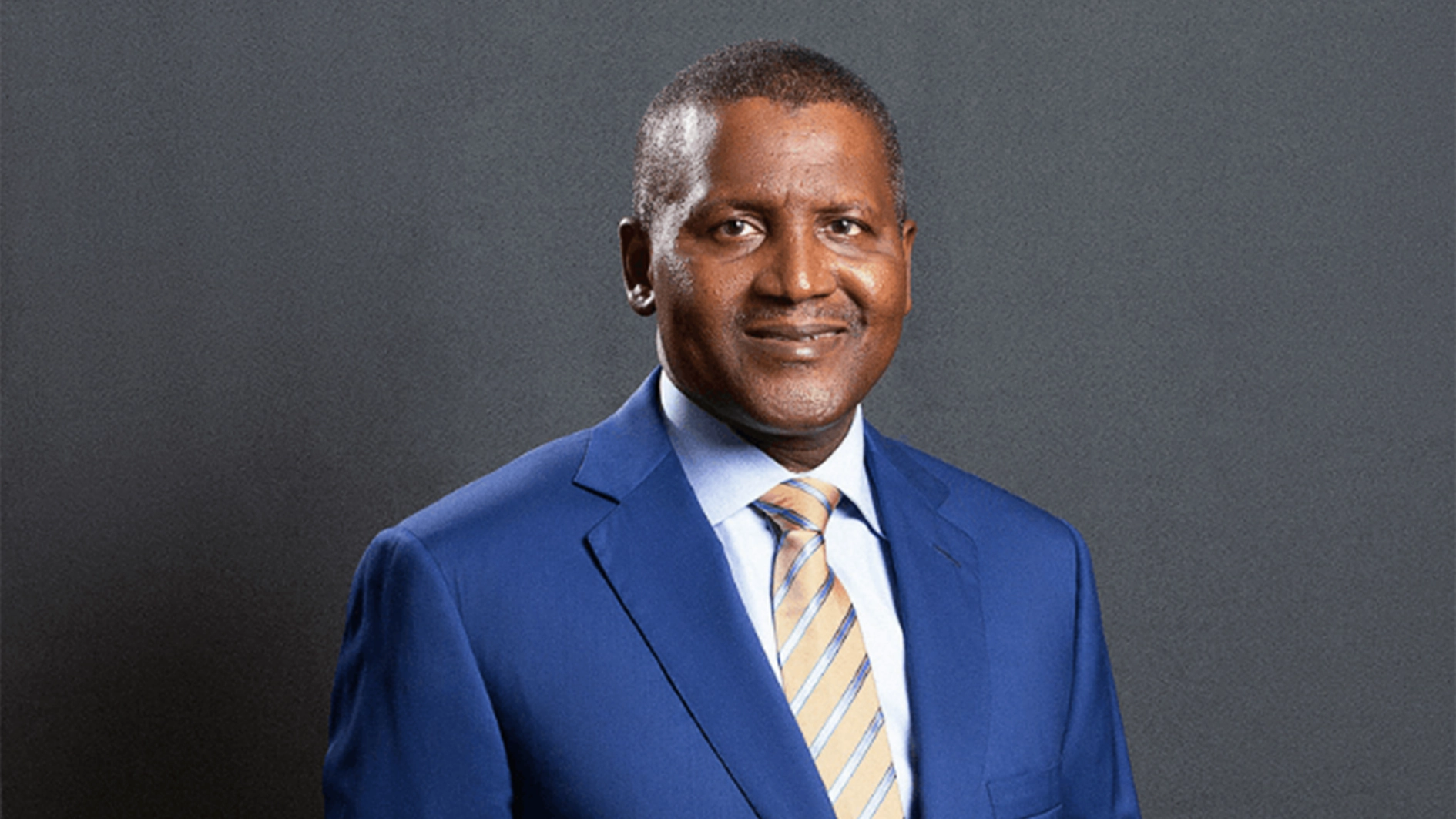
• Refinery surpasses nameplate capacity, strengthens Nigeria’s energy security
• Lamu refinery to be listed in Kenya, targets $100b yearly revenue by 2030
President of Dangote Group, Aliko Dangote, has committed an additional $50 billion to investments across Africa, declaring that the continent must mobilise its own capital, build businesses at global scale and increasingly allow Africans to own the enterprises driving its industrialisation.
This was as Dangote Petroleum Refinery achieved a significant operational milestone, recording an average capacity utilisation of 105.21 per cent in August 2026, according to data released by the Nigerian Midstream and Downstream Petroleum Regulatory Authority (NMDPRA).
The industrialist, who disclosed that the Group had already invested more than $25 billion in existing businesses, said the next phase of its expansion would combine large-scale industrial investments with a deliberate effort to open its businesses to public ownership through African capital markets.
He spoke in Nairobi, Kenya, yesterday, during a fireside chat with the Chief Executive Officer of the Nairobi Securities Exchange (NSE), Frank Mwiti, at the ‘Dangote Petroleum Refinery IPO High Level Investor Engagement’ organised by the exchange.
The engagement came ahead of the ground-breaking of the Dangote East Africa Petroleum Refinery & Petrochemicals in Lamu, Kenya, marking the Group’s expansion of its industrial footprint into East Africa.
Dangote said Africa could not compete globally by taking incremental steps.
“We have already invested more than $25 billion, but right now, we’re going ahead to invest an additional $50 billion,” Dangote said. “We want to create and generate wealth for Africans, to make sure that we defend our markets. And the only way to defend the market is not to do baby steps. It is better we do big scale.”
The Lamu project is expected to extend the industrial model developed around the 700,000 barrels per day Dangote Petroleum Refinery in Lagos into East Africa, with Kenyan officials linking the project to broader efforts to process the continent’s natural resources locally rather than continue exporting raw materials and importing finished products.
President William Ruto’s Chief Economic Adviser, David Ndii, said the Lamu refinery emerged from discussions among African policymakers, financiers and business leaders on how the continent could deploy its natural resources for industrialisation rather than extraction.
Ndii said a closed-door meeting in April examined the East African market for finished petroleum products, estimated at about 20 million metric tonnes yearly, with the potential to rise to 30 million tonnes.
According to him, Ruto subsequently reduced the proposition to three questions: whether there was a market for the products, whether African capital was available to finance the investment and whether there was an entrepreneur with the capacity to execute a refinery of that scale.
With the answers in the affirmative, Ndii said Ruto asked: “Why would we fail?”
He said the response from those at the meeting was: “We cannot fail.”
Dangote added that the proposed Lamu refinery should be listed in Kenya when it becomes ready for public ownership, rather than automatically being listed in Nigeria.
He said the ownership drive was part of the Dangote Group’s Vision 2030, under which it is targeting more than $100 billion in yearly revenue.
“We want to make sure that, for the first time, an African company will actually be out there with over $100 billion of revenue,” he said. “This thing is possible.”
The 700,000 barrels-per-day refinery processed an average of 736,470 barrels of crude oil per day in August, a substantial increase from 497,000 barrels per day in July, when utilisation stood at 71 per cent. The strong performance was supported by a rebound in domestic crude oil supply, with deliveries rising by 16.75 per cent to 683,000 barrels per day during the month.
The refinery’s improved throughput translated into average daily production of 84.43 million litres of refined white products, including Premium Motor Spirit (PMS), Automotive Gas Oil (AGO/diesel), and Aviation Turbine Kerosene (ATK), further reinforcing its role as a major supplier of refined petroleum products across Nigeria and the wider West African region.
Commenting on the development, the Dangote Group said the achievement underscores the refinery’s growing contribution to Nigeria’s energy security, foreign exchange conservation, and industrial growth agenda.

