 Follow Us on Google News



 Follow Us on Google Discover
...Targets Full Clearance by Q1 2027
The Delta State Government has announced that it has reduced its legacy debt profile from N463 billion to N63 billion, expressing optimism that the outstanding balance would be completely liquidated by the first quarter of 2027.
The Commissioner for Economic Planning, Mr Sonny Ekedayen, disclosed this at the 2026 Budget Stakeholders’ Engagement held in Asaba, Delta State, where he outlined the government’s fiscal position and priorities ahead of the 2027 budget.
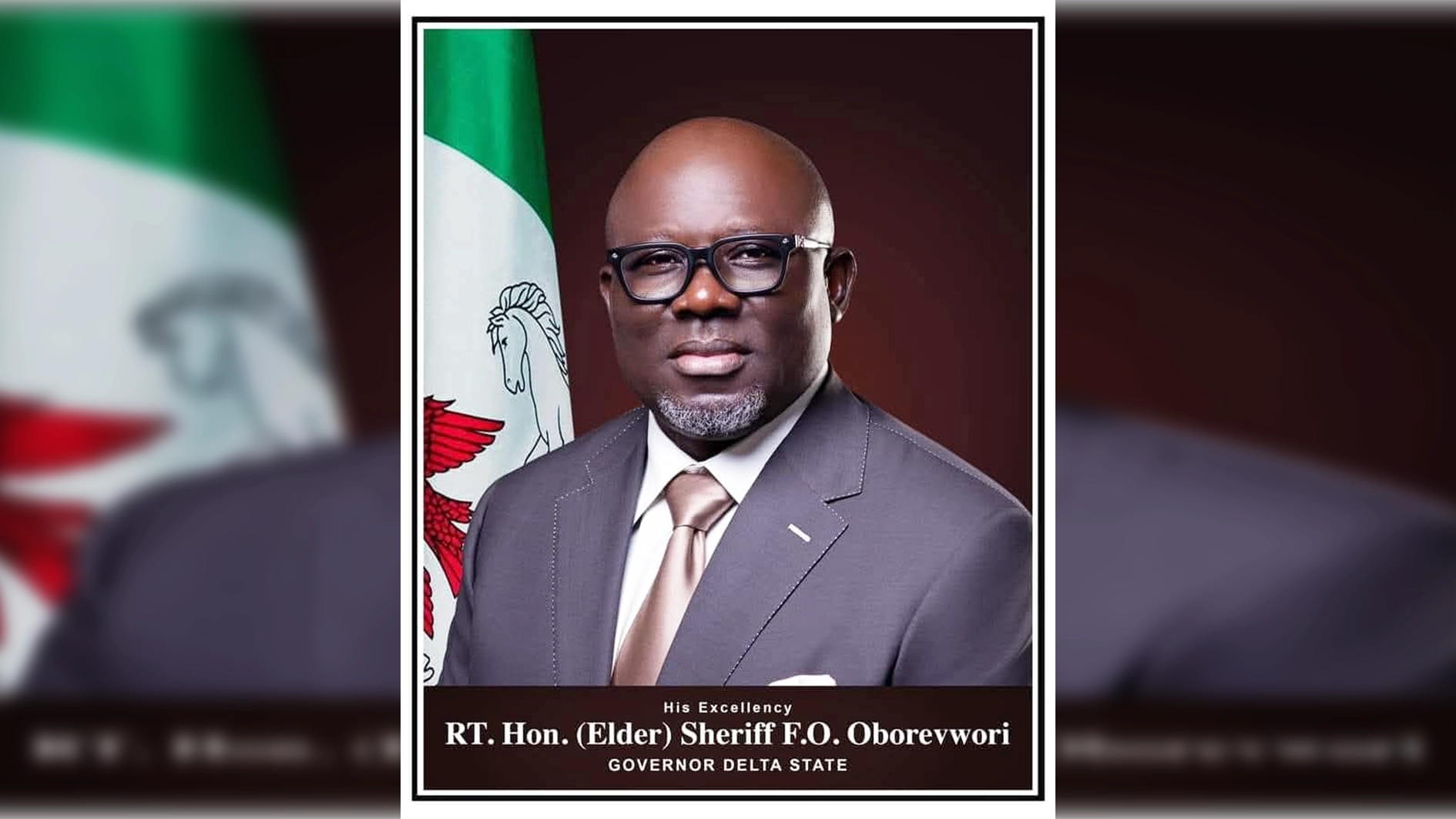
Ekedayen attributed the reported debt reduction to what he described as the commitment of Governor Sheriff Oborevwori’s administration to prudent financial management, fiscal discipline and responsible utilisation of public resources.
He said the administration had made significant progress in addressing inherited financial obligations while sustaining investments in infrastructure and other critical sectors of the state’s economy.
According to him, the government is targeting the complete repayment of the remaining N63 billion legacy debt within the first quarter of 2027, a move he said would further strengthen the state’s financial position.

The commissioner also disclosed that roads and other critical infrastructure would receive priority attention in the proposed 2027 budget as part of efforts to stimulate economic activities, improve connectivity and enhance access to communities across the state.
He explained that the state’s current expenditure framework allocates approximately 70 per cent of its resources to capital projects, while recurrent expenditure accounts for 30 per cent.
Ekedayen said the proposed 2027 budget would sustain the existing emphasis on capital expenditure, noting that the government was determined to channel more resources into projects capable of delivering direct economic and social benefits to residents.
He maintained that infrastructure development remained central to the administration’s economic development strategy, particularly in improving transportation networks, opening up rural communities and creating an enabling environment for businesses to thrive.
Meanwhile, the Asagba of Asaba, Prof. Epiphany Azinge, stressed the importance of citizens’ participation in the budget preparation process, saying public involvement was essential to ensuring that government policies and spending priorities reflected the needs and aspirations of the people.
Azinge commended the state government for its reported budget performance and called for sustained transparency, accountability and effective implementation of approved projects.
He noted that stakeholders, particularly traditional institutions, civil society organisations and other interest groups, should be carried along in the formulation and monitoring of government budgets.
Similarly, representatives of civil society organisations (CSOs) at the engagement expressed support for the government’s development initiatives and welcomed plans by the Delta State House of Assembly to introduce legislation to regulate housing issues in the state.
The proposed legislation, according to stakeholders, would help address challenges in the housing sector and provide a more organised framework for property development and related matters.
The stakeholders also called on residents to complement government efforts by protecting public infrastructure, maintaining environmental cleanliness and discouraging the destruction of public facilities.
One of the stakeholders, Odugala, cautioned residents against vandalising government projects, insisting that the protection of public infrastructure should be a collective responsibility.
“Government cannot continue to build infrastructure, then citizens begin to destroy them,” he said.
He argued that the sustainability of public investments depended not only on government funding and project execution but also on the willingness of citizens to protect and maintain facilities provided for their collective benefit.
Odugala further commended the Oborevwori administration for introducing the 13th-month salary for workers in the state, describing the initiative as a significant milestone in public sector welfare.
He said the additional salary demonstrated recognition of workers’ contributions to governance and development, urging the government to sustain policies that would improve the welfare and motivation of its workforce.
The 2026 budget stakeholders’ engagement provided an opportunity for government officials, traditional rulers, civil society organisations and other members of the public to assess the state’s fiscal performance and make contributions to the preparation of the 2027 budget.

