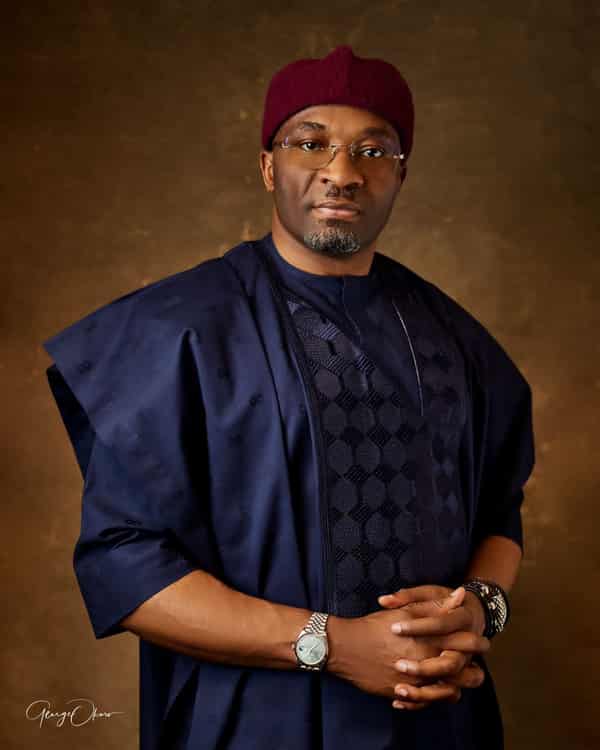
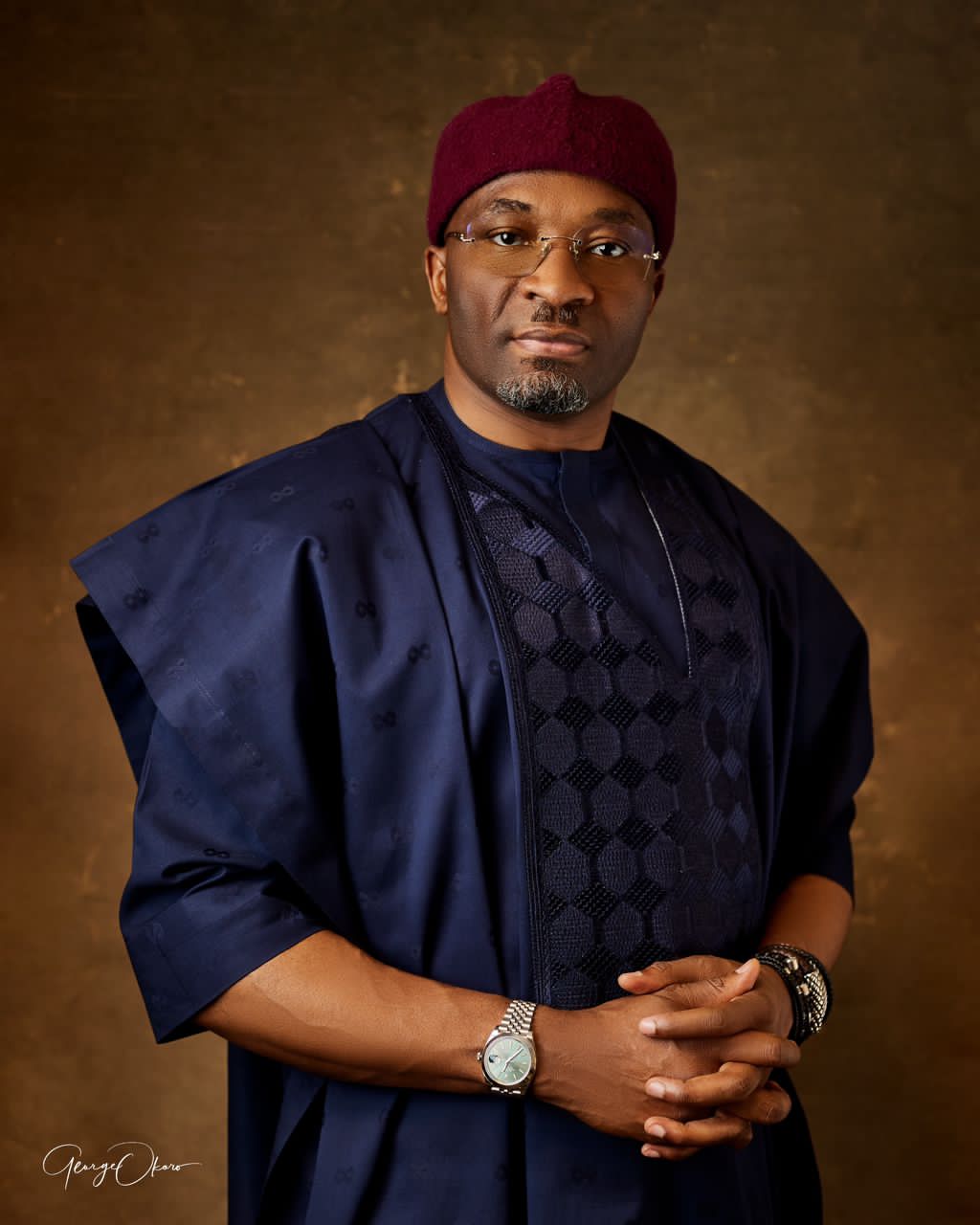
Deputy Speaker of the Federal House of Representatives, Rt. Hon. Benjamin Kalu, has challenged Nigerian universities to move beyond theoretical knowledge and ensure that their teachings translate into tangible societal impact.
Speaking at the 37th Convocation Lecture of the University of Calabar on Thursday night at the International Convention Centre, Calabar, Kalu emphasized that education is incomplete if communities do not feel the influence of academia.
Delivering his lecture on the theme, “Our Gowns in Town and in Cyberspace: Sustainable and Human-Centered Education, the Mandate of Our Universities 2025 to 2075,” Kalu stressed that universities must be catalysts for national progress.
“Universities are established as engines of progress. That is why they must go beyond theories,” he stated.
He argued that education should not be about mere knowledge acquisition but about equipping students to transform society.
“As we approach 2075, our education must have meaningful societal impact. Our learning institutions must bridge the gap between knowledge and real-world application,” Kalu added.
Kalu also called for a review of Nigeria’s quota system in education, advocating a shift from geographic quotas to gender-based quotas as a means of empowerment.
READ ALSO: FIRS, OAUTHC inaugurate amenity ward at Wesley Guild Hospital, Ilesa
Furthermore, he urged universities to embrace digital technology, highlighting that adaptation to modern trends could significantly enhance their fortunes.
“With the right digital adoption, our universities can redefine their future and remain globally competitive,” he noted.
Expressing gratitude for the opportunity to speak, Kalu described himself as “a living proof that education has power.” He encouraged students to remain dedicated to their studies, asserting that education is a birthright, not a privilege.
Chairperson of the Convocation Lecture, Professor Eka Braide, echoed Kalu’s sentiments, urging universities to extend their impact beyond classrooms and engage in real-world problem-solving.
In her remarks, Vice-Chancellor of UNICAL, Prof. Florence Obi, praised the institution’s alumni, noting that many of them now hold influential positions in Nigeria’s governance and policy-making.
“We are proud to have produced men and women of great calibre who are shaping national policies and holding our institution’s banner high,” Obi stated.