 Follow Us on Google News
 Follow Us on Google Discover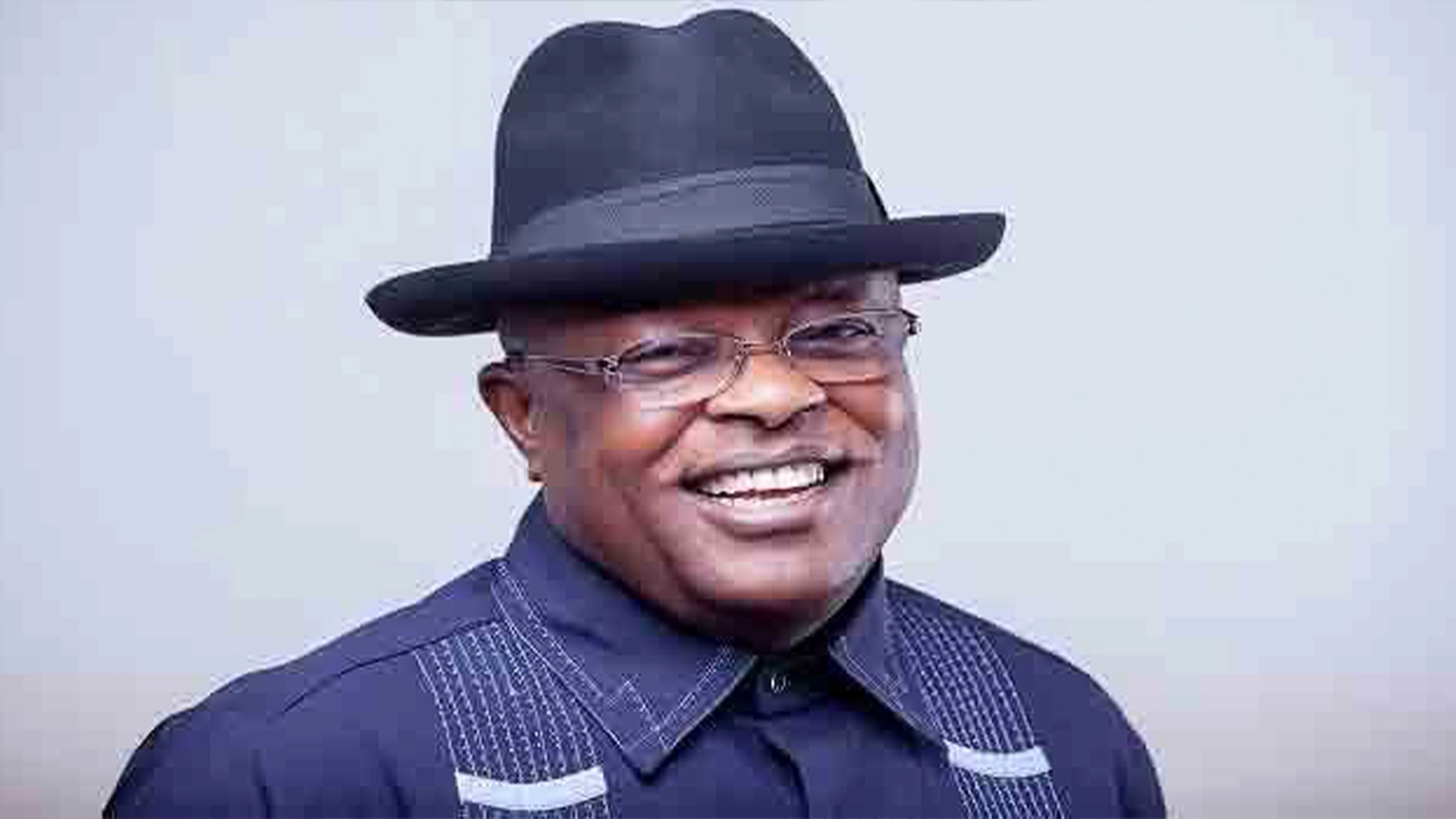
The Association of Ebonyi Indigenes Socio-Cultural in the Diaspora (AEISCID) has cautioned the Minister of Works, David Umahi, against comments it said could divide the South-East over the political ambition of former Anambra State governor, Peter Obi, ahead of the 2027 general elections.
The group, which condemned Umahi’s reported remarks about Obi and the political future of Ebonyi State, insisted that voters, rather than political godfathers or zoning arrangements, should determine who emerges as the state’s next governor.
In a statement dated by its worldwide president, Ambassador Paschal Oluchukwu, AEISCID expressed concern over comments attributed to Umahi questioning Obi’s relationship with Ebonyi people and arguing that the state should not support his presidential ambition.
Umahi had reportedly challenged Obi to identify any indigene of Ebonyi State appointed into his administration during his tenure as governor of Anambra State.
The minister was also quoted as saying that, just as it was not yet the turn of the South-East to produce Nigeria’s president, it was not the turn of Ebonyi South Senatorial District to produce the state’s next governor.
Reacting, AEISCID described the reported comments as divisive, arguing that political disagreements should not be allowed to undermine the longstanding cultural and social ties between Ebonyi people and other Igbo communities.

The association maintained that Obi, like other Nigerian politicians, had a constitutional right to seek elective office and that the decision to support or reject his ambition belonged to voters.
It urged political leaders to promote unity across the South-East rather than make statements capable of creating suspicion or hostility among communities in the region.
The group also faulted Umahi’s reported position on zoning in the Ebonyi governorship contest, particularly his intention to engage the Peoples Democratic Party (PDP) candidate, Ifeanyi Chukwuma Odii, on the issue.
According to the association, the electorate should be allowed to decide the outcome of the 2027 election based on the candidates’ programmes, records and capacity to address the state’s development challenges.
It urged Odii to remain focused on presenting his policy alternatives to the people rather than be distracted by the controversy over zoning.
AEISCID further accused Umahi of attempting to influence the state’s political succession, alleging that the zoning argument was being used to advance particular political interests. The group, however, did not provide independent evidence to substantiate its claims about the motives behind the minister’s position.
The association also criticised the performance of Governor Francis Nwifuru’s administration, alleging that Ebonyi had not recorded sufficient progress in development projects since he assumed office.
It called on the state government to give greater attention to infrastructure, economic opportunities and the welfare of residents, insisting that political calculations should not take precedence over governance.
The group said the future of Ebonyi should be determined by the collective will of its people rather than the preferences of influential politicians.
It further appealed to the Federal Government to encourage political leaders to promote national cohesion and democratic tolerance, irrespective of party affiliations.
AEISCID gave Umahi 72 hours to withdraw the remarks attributed to him and apologise to Obi, Odii, Ebonyi people and the wider Igbo community, warning that it would consider legal action if he failed to comply.
The association said the minister, as a member of the Federal Executive Council, should promote peaceful coexistence and national unity, particularly during the build-up to the 2027 elections.
It added that disagreements over political ambitions should not be allowed to erode the bonds connecting communities across the South-East.
Umahi’s reported comments have brought renewed attention to the debate over zoning and political representation in Ebonyi State, as parties and aspirants position themselves ahead of the next governorship election.
AEISCID reiterated that the ultimate decision rested with the electorate, urging Ebonyi voters to assess the available candidates on their policies and proposed solutions to the state’s challenges.
The association said democratic competition should provide an opportunity for citizens to choose their leaders freely, without undue pressure or attempts to dictate their preference.

