 Follow Us on Google News
 Follow Us on Google Discover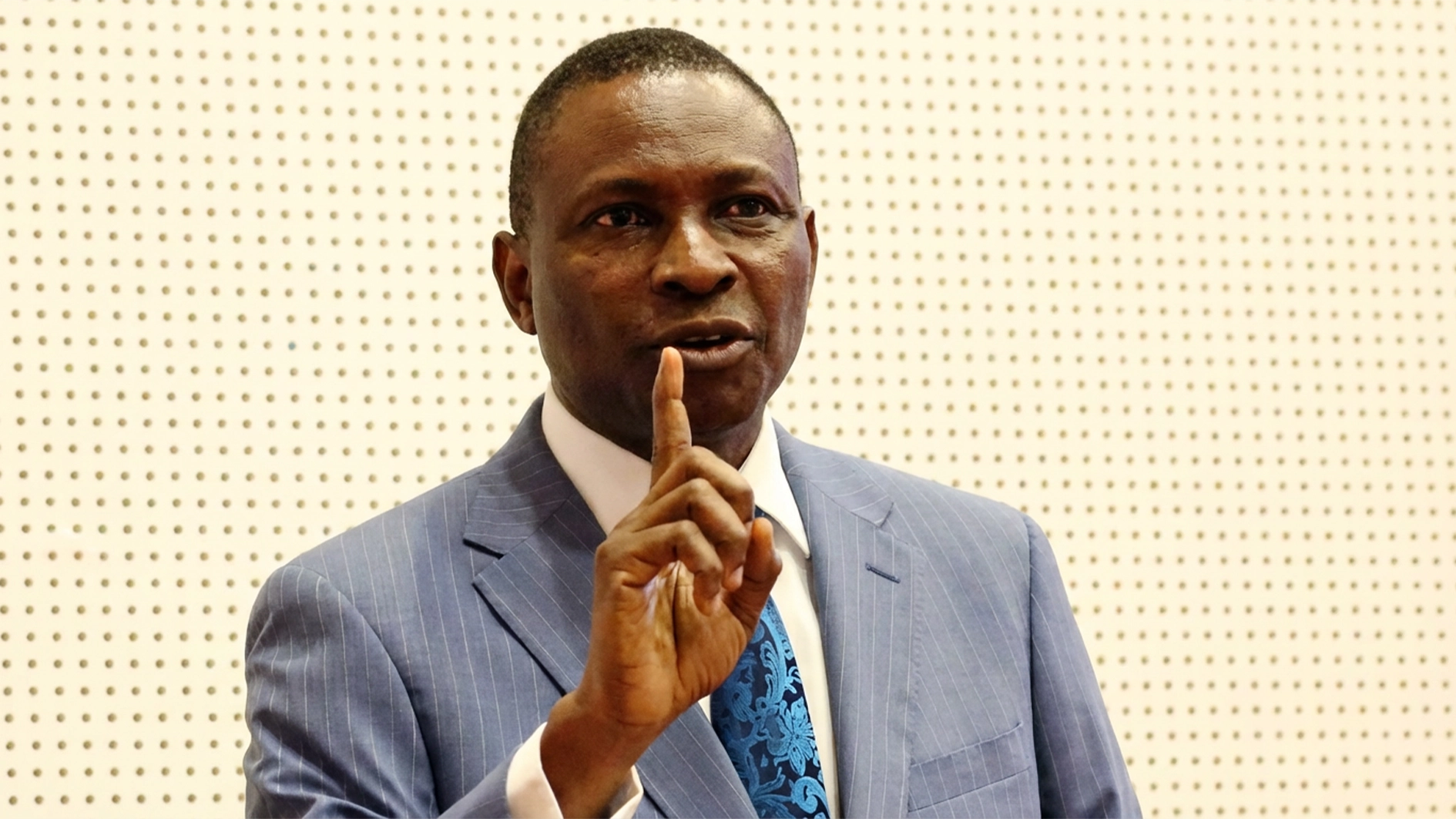
The Economic and Financial Crimes Commission (EFCC) and the Corporate Affairs Commission (CAC) have launched a joint crackdown on unregistered Point of Sale (PoS) operators, warning that their activities pose serious risks to national security and the financial system.
Also, EFCC said investigation had already commenced into a Lagos-based Bureau de Change (BDC) operator, Mukhtar Muhammad, and three companies linked to him over alleged terrorism financing before the United States (U.S.) imposed sanctions on them.
EFCC and CAC raised the alarm yesterday during a visit by CAC Board Chairman Ibrahim Adah to EFCC Executive Chairman Ola Olukoyede at the anti-graft commission’s headquarters in Abuja.
Adah disclosed that only about 20 per cent of PoS operators in the country were registered with the CAC, a situation he described as a breach of the Companies and Allied Matters Act (CAMA) 2020 and the Central Bank of Nigeria (CBN) Agent Banking Regulations 2026.
He said the CAC was seeking EFCC’s support to enforce compliance among PoS operators nationwide and develop a reliable database of operators for use by law enforcement agencies.
According to him, intelligence gathered by authorities suggests that criminal proceeds, including ransom payments linked to kidnapping cases, are sometimes moved through PoS terminals.

“Neither of the two agencies can fight and win the war against economic and financial offences, especially those perpetrated through corporate entities, if we work alone,” Adah said, stressing the need for stronger collaboration.
Responding, Olukoyede described unregulated PoS operations as a major threat to Nigeria’s financial ecosystem.
“If you do not regulate the activities of such key players, you will have major problems and challenges within your financial ecosystem,” he said, revealing that EFCC was investigating about 200 companies forwarded by the CAC, with the probe already yielding “interesting discoveries”.
He added that many corruption cases investigated by EFCC involved procurement and contract fraud carried out through companies registered with the CAC.
SOURCES within EFCC said yesterday that the commission had concluded significant aspects of its investigation and was
preparing charges against the suspects when the U.S. government announced the sanctions.
The development follows the designation of Muhammad and three Nigerian companies by the U.S. government as alleged financial facilitators of activities linked to the Islamic State of Iraq and Syria (ISIS).
The sanctions were part of a broader action targeting three individuals and six entities accused of facilitating the movement of funds for ISIS operations across multiple countries.
White House alleged that the individuals and entities played roles in supporting financial networks linked to the extremist group, leading to the sanctions imposed on them.
EFCC’s investigation is expected to complement efforts by international authorities to disrupt terror financing networks operating within and outside Nigeria.

