 Follow Us on Google News
 Follow Us on Google Discover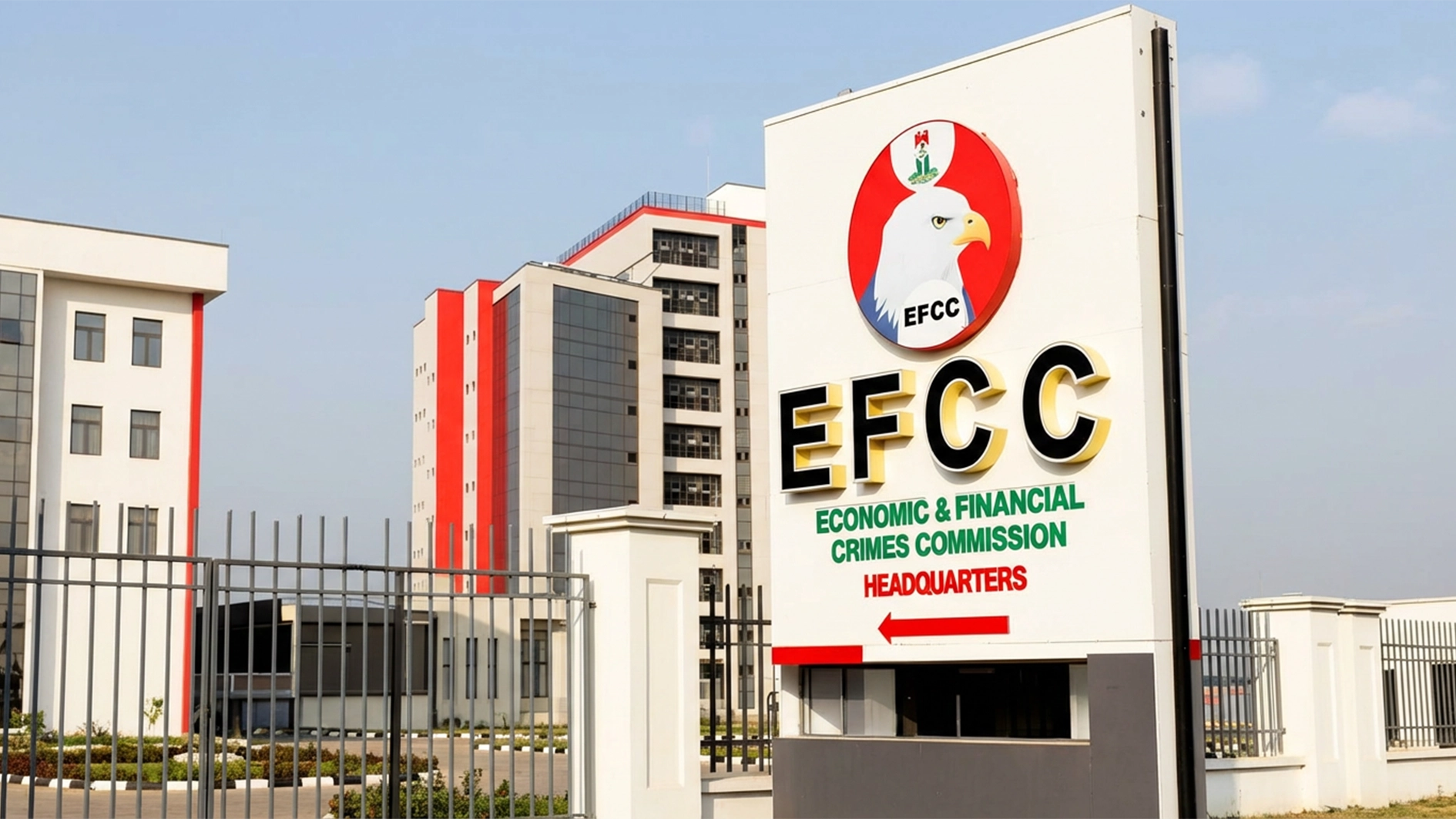
The Economic and Financial Crimes Commission (EFCC) is seeking to enlist churches and mosques in confronting the culture of wealth without questions, arguing that religious teaching can help prevent corruption before it reaches the point of investigation and prosecution.
EFCC Chairman Ola Olukoyede made the call on Wednesday in Abuja at the second 2026 Council Meeting of the Nigeria Inter-Religious Council (NIREC), where the Commission launched a new Anti-Corruption Interfaith Manual for Christian and Muslim religious leaders.
Olukoyede said religious institutions had a role beyond condemning corruption after it occurred, urging pastors and imams to use their platforms to challenge values that celebrate wealth without regard to its source.
“The EFCC can investigate a person’s conduct. Faith communities can influence that person’s character. We can prosecute fraud. Religious teaching can cultivate honesty,” he said.
He added that while the Commission could confiscate illicit wealth and punish corruption after the event, churches and mosques could help challenge the attitudes that make Nigerians “worship wealth without questioning its source.”
The EFCC chairman said the problem cuts across religious and ethnic boundaries, stressing that corruption and financial crimes do not belong to any particular faith or community.

“Financial crime has no religion. Corruption has no tribe. Fraud does not become Christian or Muslim because of the identity of the person accused of committing it,” he said.
According to him, the consequences of corruption are also shared, irrespective of religious affiliation, because stolen public resources affect hospitals, roads, employment and other services used by Nigerians.
Olukoyede said the Commission had been engaging Christian and Muslim leaders through an interfaith framework and had worked with them to develop the manual, which contains what it described as doctrinal positions on corruption drawn from the two faith traditions.
He urged religious leaders to use the material in their sermons and teachings, saying no religion condoned corruption or fraudulent conduct.
The EFCC’s renewed emphasis on religious institutions builds on its earlier use of interfaith engagement as part of its prevention strategy. The Commission has previously described partnerships with faith-based groups as part of efforts to address the attitudes and social norms that sustain corruption.
The Executive Secretary of NIREC, Prof. Cornelius Afebu Omonokhua, said the second edition of the Anti-Corruption Preaching and Teaching Manual was produced through the Interfaith Anti-Corruption Advisory Committee of the EFCC.
He said the manual, together with facilitators’ guides, was designed to help Christian and Muslim preachers communicate religious teachings on corruption and promote peaceful coexistence.
Omonokhua said religious teachers who engage in corrupt practices could not credibly claim to uphold the teachings of their faith, adding that the manual was intended to address both religious corruption and corruption allegedly justified or encouraged through religious preaching.
The meeting also brought together senior Christian and Muslim leaders, including the President of the Christian Association of Nigeria, Rev. Daniel Okoh; the Sultan of Sokoto, Alhaji Muhammad Sa’ad Abubakar; the Emir of Zazzau, Alhaji Ahmed Nuhu Bamalli; and the Shehu of Borno, Abubakar Umar El-Kanemi.
Representing President Bola Tinubu, Secretary to the Government of the Federation George Akume said Nigeria’s security and governance challenges required the cooperation of government, religious and community leaders.
Akume urged religious leaders to speak collectively against banditry, terrorism and other criminal activities, saying their voices could help counter narratives that promote division and conflict.
He said the Federal Government would continue efforts to secure Nigerians and called for greater cooperation among stakeholders in protecting lives, livelihoods and human dignity.

