 Follow Us on Google News
 Follow Us on Google Discover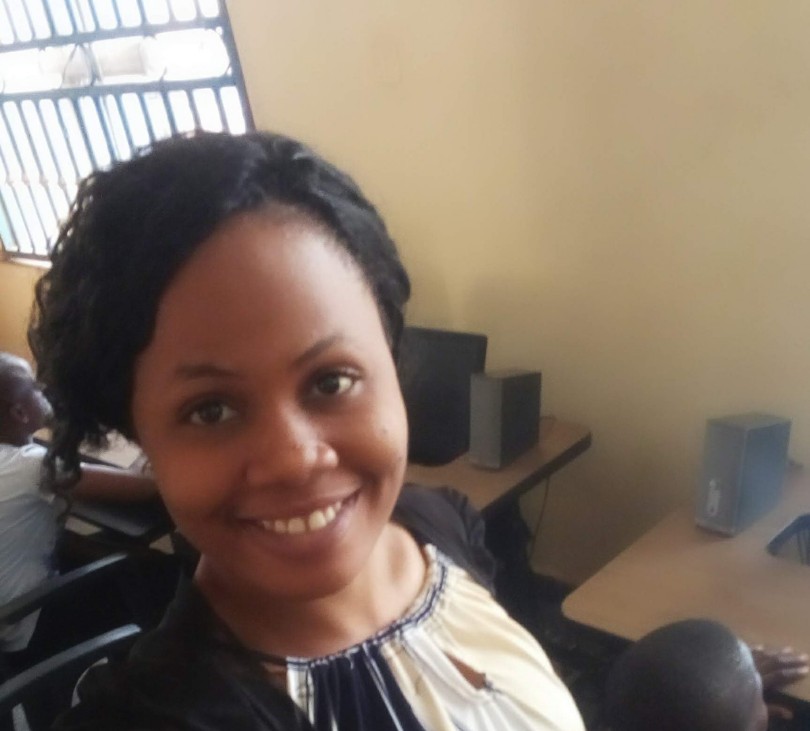
Ebubechukwu Uba began a journey that would shape her path as both an educator and an advocate for digital equity. In 2019, while working in public and school libraries, she introduced children to computers, library resources, and the internet for the very first time. For many of them, it was a life-changing encounter. For Uba, it was proof that digital access could spark confidence and create opportunities.
Those early moments revealed a deeper reality. Across Nigeria, children in rural and underserved communities were being left behind in the digital revolution. While the world celebrated new technologies, large sections of society had no access to even the most basic tools. Uba recognised that digital literacy was not just a skill but a form of empowerment, one that could break cycles of exclusion and open doors to possibility.
Determined to make an impact, she organised computer literacy programs for secondary school students in Enugu State. She also founded a computer club for children aged seven to fifteen in rural communities, creating a space where young learners could experiment with technology and discover their potential. For many, it was their first real chance to touch a computer, type words, or search for information online.
The work was modest in scale, yet deeply personal in impact. Parents saw hope in these programs, believing their children could compete in a future where digital skills would define opportunity. What began as what Uba called a “one-man squad” soon became a movement built on resilience and community spirit.
Challenges came with the territory. Infrastructure was weak, resources were scarce, and awareness about the importance of digital literacy was low. Still, Uba pressed forward. Every child who gained the confidence to read, solve problems, or navigate a device became proof that equity in education was possible.
Her vision stretched far beyond Enugu. From the beginning, Uba imagined building an educational organisation that could collaborate with others who shared the same mission. She dreamed of scaling her initiatives across Nigeria and eventually expanding them globally. Her goal was never only about teaching technology; it was about ensuring equal participation in the digital age.
Alongside this grassroots work, she set her sights on pursuing a graduate degree that would help bridge research and practice. By advancing her academic training, she hoped to design community-engaged programs that addressed the gaps between education, technology, and society.
Her philosophy has remained simple but powerful. Education is a right, not a privilege. Through her early work in libraries and her community initiatives, Ebubechukwu Uba showed that even the smallest steps could lead to lasting impact.
For the children in Enugu who touched a keyboard for the first time under her guidance, the experience was not just a lesson. It was an entry into a new world of confidence and opportunity. For Uba, it was only the beginning of a larger journey toward digital equity in Nigeria.

