A medical expert has warned that delays in accessing quality healthcare, combined with limited health insurance coverage, are contributing significantly to the underestimation of the disease burden in Nigeria.The expert, Edikan Ubak, disclosed this during a medical outreach held in Ipetu-Ijesa, Osun State.
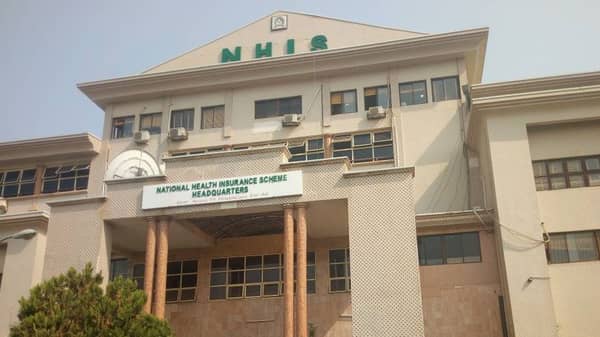
According to him, fewer than 10 per cent of Nigerians, about 20 million people, are currently enrolled under the National Health Insurance Authority (NHIA).
He explained that the heavy reliance on out-of-pocket payments forces many households to seek cheaper alternatives such as herbal remedies, spiritual interventions, and local chemists, often at the expense of proper medical care.
“As a result, many individuals delay seeking medical attention; diseases go undetected or remain uncontrolled, and healthcare resources are misappropriated,” he said.
Ubak stressed the need for targeted community-based interventions, particularly for the prevention of non-communicable diseases such as hypertension and diabetes.
He called for accessible primary healthcare systems capable of conducting regular screenings, offering counselling and appropriate medications, and referring patients to qualified healthcare facilities to help reduce the disease burden in rural communities.
He added that stronger collaboration between government agencies, non-governmental organisations, religious bodies, and community members is essential to making healthcare more accessible and affordable, in line with the World Health Organisation’s Universal Health Coverage agenda.
The one-day medical outreach, organised by the NYSC Education and NDLEA Community Development Service (CDS) groups, in collaboration with the Osun State Health Insurance Agency Scheme (OHIS) and the Nigerian Air Force Institute of Safety (NAFIS), provided healthcare services to 161 residents, including community leaders, farmers, artisans, schoolchildren, and teachers.
Services rendered during the programme included point-of-care blood glucose testing, medical consultations, eye assessments with prescription lenses, free medications, medical counselling, and sensitisation on healthy living and access to healthcare. Five beneficiaries also received free annual health insurance coverage.