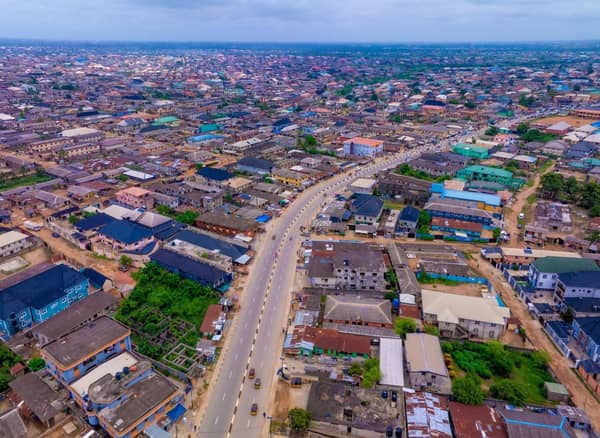
United Nations Human Settlements Programme (UN-Habitat) has revealed that different forms of housing inadequacy, which represent a massive development challenge shared by humanity, affect an estimated 2.8 billion people worldwide.
This figure, the UN agency said, was expected to grow due to population growth, increasing urbanisation, forced displacement and economic pressures, among other drivers.
The agency revealed this in its strategic plan 2026-2029, which has a central focus on housing, land and basic services as essential enablers for sustainable cities and communities.
The policy highlighted that the plight of about 1.1 billion people living in informal settlements and slums and over 300 million homeless people, calls for urgent and effective collective action, adding that its strategic plan aims to respond to the global housing crisis.
According to the agency, putting housing at the centre of policy responses at all levels is a must.
It explained that many of the goals of the 2030 Agenda for Sustainable Development couldn’t be achieved if people lacked adequate housing.
According to the agency, the seven aspects of adequate housing are basic services, tenure security, affordability, accessibility, location and cultural adequacy.