 Follow Us on Google News


 Follow Us on Google Discover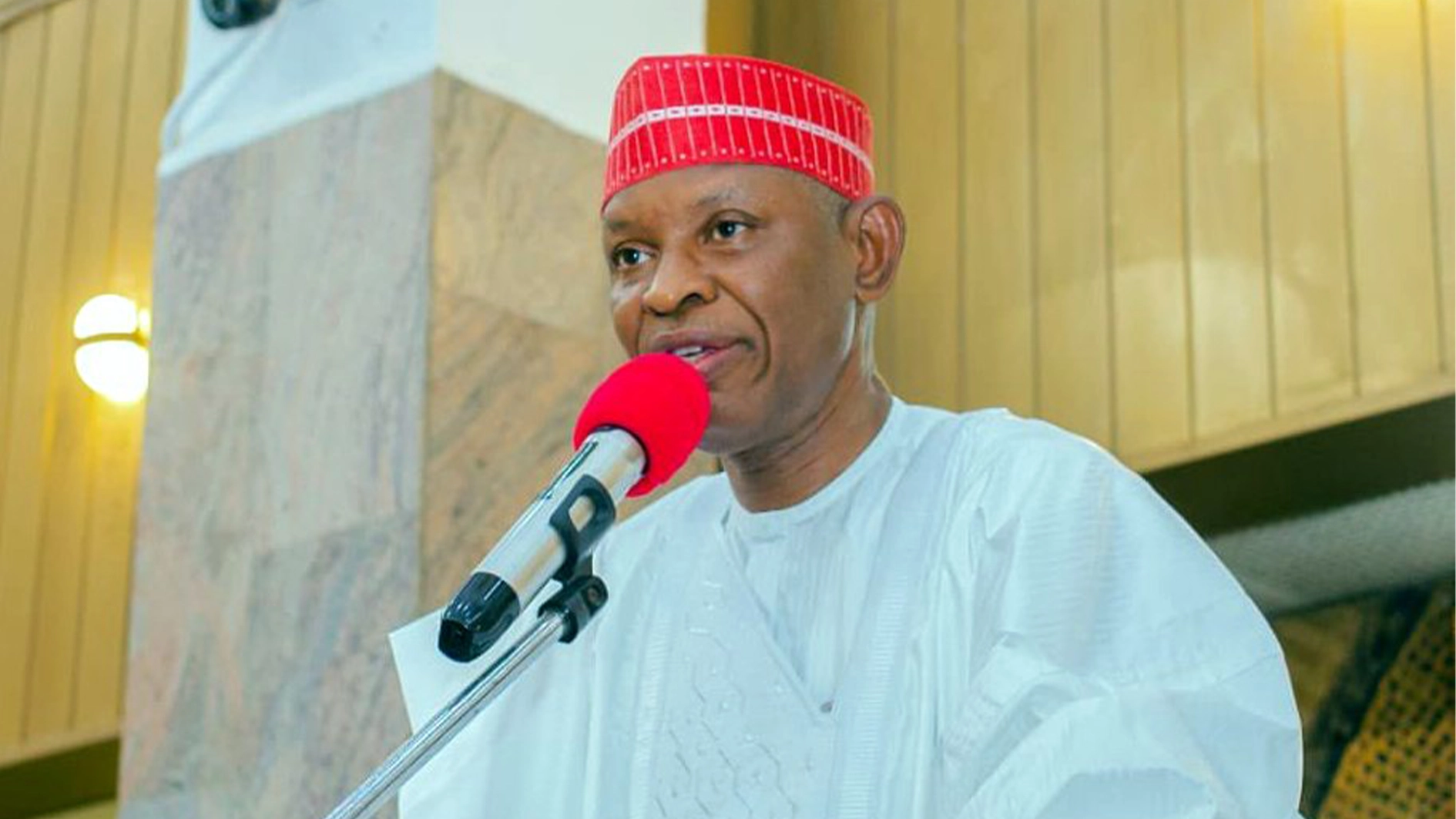
The Kano State government has officially launched the Women’s Economic Empowerment (WEE) Policy, marking a significant milestone in efforts to strengthen women’s participation in the economy.
The domestication of the Federal Government policy on gender inclusion in economic growth in Kano opens a vista of equal opportunity to advance women’s participation in the economy, improve their livelihoods and enhance resilience.
The Kano WEE policy and action plan 2025 to 2029 essentially prioritise the needs of poor and vulnerable women and girls; women and girls with disabilities; survivors of disasters and humanitarian emergencies; survivors of gender-based violence, and unemployed out-of-school girls and women entrepreneurs in the informal sector.
Governor Abba Yusuf, represented by his Commissioner for Rural and Community Development, Abdulkadir Abdulsalam, described the launch as a defining milestone in the state’s journey toward inclusive and sustainable development.
He noted that the policy, which was approved in September 2025, reflects his administration’s vision of building a Kano that is inclusive, just, and prosperous, stating that while the policy would provide direction, meaningful change depends on implementation and sustained partnerships.
The governor said the policy represents a bold statement of the state’s commitment to people-centred governance and inclusive development.

According to him, the state government has begun translating the document into action through significant budgetary allocations to the ministry to prioritise women and other vulnerable populations.
He, therefore, called on development partners, civil society organisations, and the private sector to collaborate with the Ministry of Women Affairs to ensure that the policy translates into tangible improvements in women’s lives across the state.
In his remarks, the Emir of Kano observed that the domestication of the strategy sends a strong message that the state is committed to advancing women’s empowerment.
He emphasised that women’s empowerment should not be viewed as a foreign concept, but rather as one deeply rooted in Kano’s cultural and religious values.
On her part, former presidential adviser on social investment, Maryam Uwais, advocated efficient implementation of the policy, noting that robust as the document looks, its failure to impact on rural women would render it worthless.

