 Follow Us on Google News


 Follow Us on Google Discover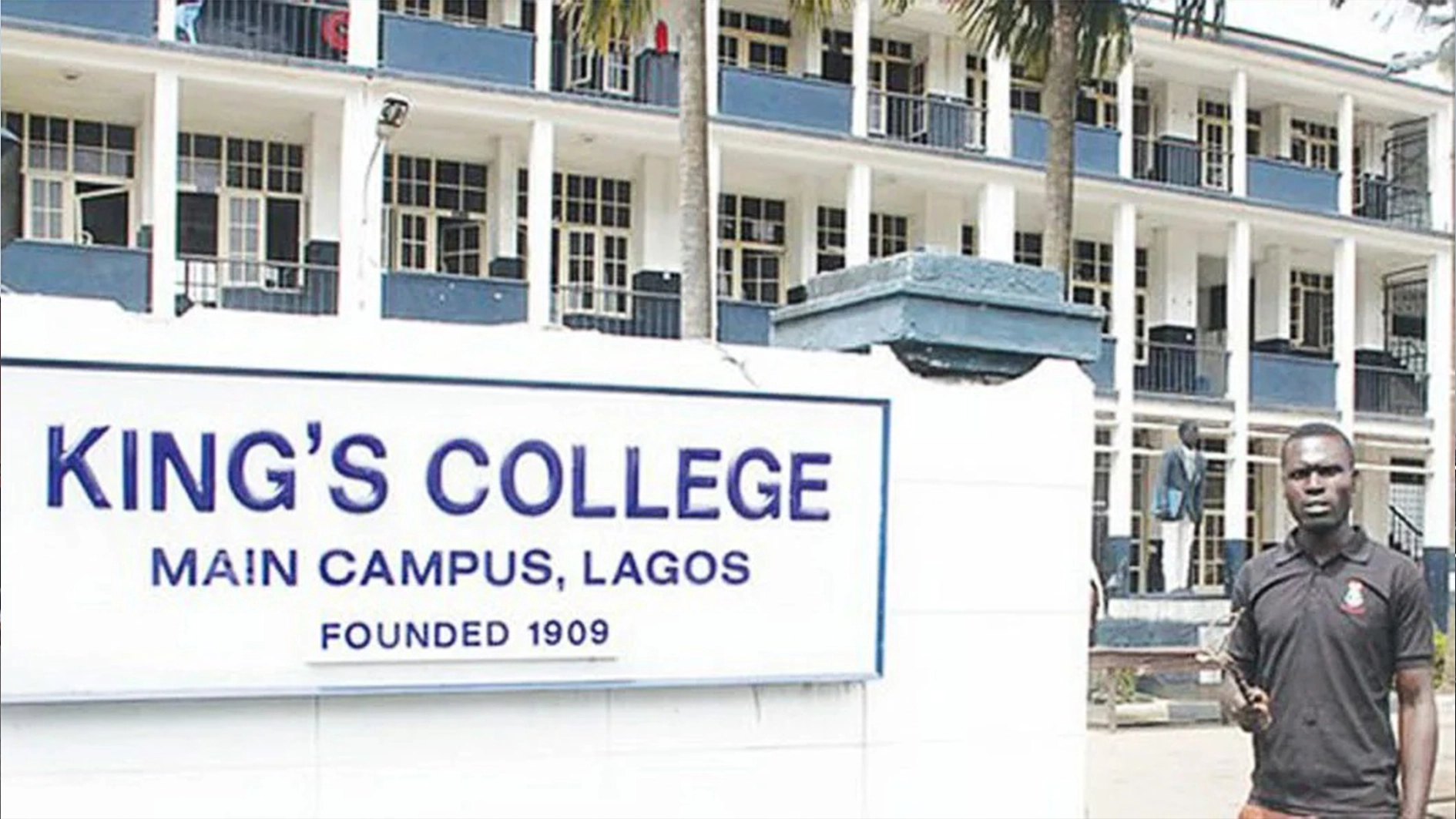
Fresh details have emerged on the Federal Government’s proposed concession of King’s College, Lagos, with investigations revealing that the deal is for 50 years, not the 35 years widely reported.
The 50-year duration, contained in a concession document exclusively obtained by The Guardian, means that, barring any amendment, the arrangement would remain in force until 2076, raising fresh questions over the duration and terms of the planned transfer of management of the 117-year-old institution to the King’s College Old Boys Association (KCOBA).
The document states that the initial term of the agreement is a “period of fifty (50) years commencing on the effective date of this agreement”, with the Infrastructure Concession Regulatory Commission (ICRC) designated as the regulatory body.
The disclosure comes amid renewed opposition to the concession, with a faction of the Association of Senior Civil Servants of Nigeria (ASCSN), led by Innocent Bola-Audu, insisting that the Federal Government should retain direct control of its Unity Colleges rather than hand their management to private interests.
A member of the negotiating team, who spoke with The Guardian, argued that Unity Colleges were established as national institutions to promote unity, national integration and equal access to quality education, and should therefore remain under government management.
The source warned that concessioning the schools to private organisations could undermine their original mandate and create a system in which access to quality education becomes increasingly determined by parents’ ability to pay.

“Unity Colleges are national heritage. They were established by the Federal Government to provide quality education to Nigerian children, irrespective of their state of origin or socio-economic background. Government should not abandon that responsibility under the guise of concession.
“Rather than handing them over to private interests, the government should strengthen funding, improve infrastructure and address the manpower challenges confronting the schools. There are other ways to bring in private sector support without surrendering the management of these institutions for decades,” the source who spoke on condition of anonymity, said.
Others sources familiar with the development said the ASCSN position is expected to form part of the issues to be considered in the ongoing review involving the Federal Ministry of Education and KCOBA.
The Guardian reports that the union’s “no concession” position could reopen negotiations over the duration, terms and conditions of the proposed arrangement under which KCOBA would assume responsibility for managing the college.
Under the proposed public-private partnership, KCOBA is expected to finance the rehabilitation and modernisation of King’s College before operating and maintaining the institution, while ownership would remain with the Federal Government.
The alumni association has previously announced plans to mobilise substantial resources for the college, including an endowment of nearly N100 billion, while stating that it had already spent more than N2 billion on infrastructure at the institution.
However, the proposed 50-year concession has heightened concerns among workers and other stakeholders over the implications of committing a public institution to private management for several decades.
The controversy has also been compounded by the inability of the authorities to make the full concession agreement publicly available, despite repeated demands by stakeholders seeking clarity on its provisions.
Speaking with The Guardian, the National Mobilisation Officer of the Education Rights Campaign (ERC), Michael Adaramoye, said the lack of transparency surrounding the process was troubling, particularly as the public had yet to receive what he described as full and accurate details of the arrangement.
He said the development underscored the need for a democratic education system in which students, parents and education workers participate in decisions affecting public education.
According to Adaramoye, the opposition generated by the concession showed that the policy did not reflect the interests of students, parents and education workers.
“No illusion must be harboured about the government’s announced two-week suspension. Students, parents and workers must stand firm and insist on the immediate reversal of the policy,” he said.
He accused the government of attempting to abdicate its responsibility for funding public education through the concession, warning that the arrangement could expose students to higher financial burdens.
Adaramoye further claimed that the Federal Ministry of Education had acknowledged that government funding for King’s College would cease after the concession, arguing that such a development could result in higher school fees and make the institution inaccessible to many families amid the prevailing economic hardship.
He also warned that the concession could set a precedent for similar arrangements involving other public schools, urging students, parents and workers to sustain pressure for increased government funding.
While describing the recent strikes and protests by Unity College teachers and workers as an important first step, he urged stakeholders to continue demanding the reversal of the policy and greater public investment in education.
Efforts to obtain the reaction of the Director of Senior Secondary Education at the Federal Ministry of Education, Adeniji Ibrahim, were unsuccessful, as he had not responded to several phone calls and text messages sent to him as of the time of filing this report.

