 Follow Us on Google News


 Follow Us on Google Discover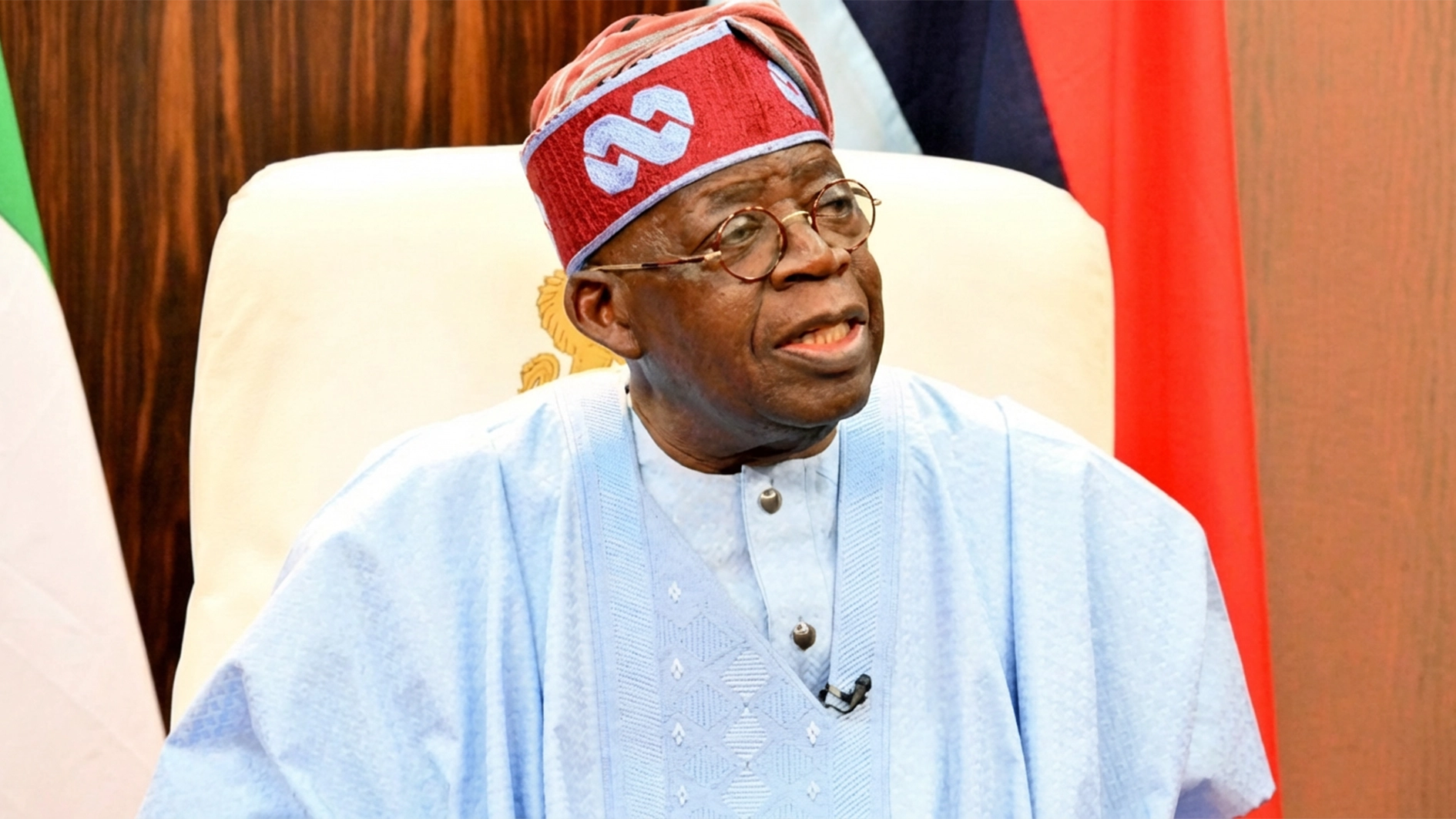
Nigeria’s media industry has appealed to President Bola Tinubu to grant tariff exemptions on key production materials such as newsprint and printing ink, warning that rising costs are threatening the sustainability of media organisations across the country.
The appeal was made on Friday when leaders of the Newspaper Proprietors’ Association of Nigeria (NPAN), the Nigerian Guild of Editors (NGE) and the Broadcasting Organisations of Nigeria (BON) met with the President at an interfaith Ramadan and Lenten dinner at the State House, Abuja.
Speaking on behalf of the industry, co-founder and publisher of BusinessDay, Frank Aigbogun, said media organisations remain committed to supporting national development but are facing severe operational pressures driven by escalating production costs.
He urged the Federal Government to provide relief through tariff exemptions on materials critical to newspaper production and broadcasting operations.
“We appeal for your gracious intervention to ensure exemptions for tariffs on newsprint, ink and other materials essential to our operations,” Aigbogun said.
According to him, the high cost of importing these materials has significantly increased the financial burden on media houses already contending with declining advertising revenues and broader economic challenges.

Aigbogun warned that without urgent policy support, the sustainability of many media organisations could be undermined, weakening the capacity of the press to perform its democratic role of informing and educating the public.
The industry also raised concerns about the growing influence of global technology companies and artificial intelligence platforms, which stakeholders say are increasingly eroding the revenue base of traditional media organisations.
In his remarks, President Tinubu urged the media to broaden its focus and intensify scrutiny of state and local governments in order to strengthen Nigeria’s federal system and promote accountability across all tiers of governance.
He said recent reforms guaranteeing direct financial allocations to local governments have opened a new opportunity for grassroots development, adding that the media must help ensure the funds are properly utilised.
“We’ve opened up the principle of federalism to the extent that local governments are now getting their money. But how they use it is in your hands. Don’t bombard me alone; look out to the local government too,” the President said.
Tinubu added that state governments are also enjoying improved fiscal conditions under ongoing economic reforms and should be held accountable.
“Equally the sub-nationals are enjoying the freedom.
Today, there is no state that is borrowing to pay salaries of employees,” he said.
The President stressed that national development requires shared responsibility among government, institutions and citizens, describing the media as a vital partner in nation-building.
“We can complain it is not enough. We can complain we are not where we should be, but we have to manage what we have to sustain today, survive tomorrow and make progress. It is a collective responsibility, you, myself and those people that we assign,” he said.
Tinubu also acknowledged the difficult operating environment facing media organisations but commended journalists and publishers for their role in shaping public discourse.
“There is no morning that I leave my house without going through the papers,” he said, describing newspaper reading as an “addiction” that keeps him informed about developments across the country.
Reflecting on the early criticism that greeted some of his administration’s economic reforms, including the removal of petrol subsidy, Tinubu said the measures were necessary to prevent economic collapse.
“At the time we had to confront the subsidy, Nigeria was tilting on the edge of bankruptcy. Leadership comes with the responsibility of taking decisions when they ought to be taken; otherwise it is a failure,” he said.
The President maintained that despite the initial hardship triggered by the reforms, Nigeria’s economy is gradually stabilising.
“Today I can stand proudly before you that we are back from that brink,” he added.
Tinubu also addressed concerns about the growing influence of global technology firms on Nigeria’s media ecosystem, assuring industry leaders that the Federal Government would support initiatives aimed at protecting local media institutions.
He cited emerging digital platforms such as Lekeelekee, backed by media entrepreneur Nduka Obaigbena, as examples of innovation that should be encouraged.
“Don’t mind the screaming sometimes. I’m glad the Duke is sponsoring Lekeelekee while we are talking about Google and external interference in our affairs.
“We will run with the stick with you and say ‘Nigeria we hail thee.’ We will survive the challenges,” the President said.
Earlier, the Minister of Information and National Orientation, Mohammed Idris, disclosed that the Federal Government has begun engagements with global technology companies, including Google and Meta, over their impact on Nigeria’s media industry.
“All the regulatory agencies are already engaging the big tech, Meta and Google. The President will not allow anybody to come here, reap from our economy and go away,” Idris said.
He also reassured media leaders of the administration’s commitment to press freedom.
“At no time has the President ever called me to say go and do this or go and do that to the press. He is himself a product of press freedom,” the minister added.
The dinner formed part of President Tinubu’s engagements with key national stakeholders during the Ramadan and Lenten season.

